tree day
Environment news · Development: 6 Oct 2026
US$78 million Great Green Wall initiative targets restoration across nine countries
A newly announced programme aims to restore degraded land and improve livelihoods across nine Great Green Wall countries, backed by a US$78 million GEF commitment.
Sahel and Great Green Wall countries
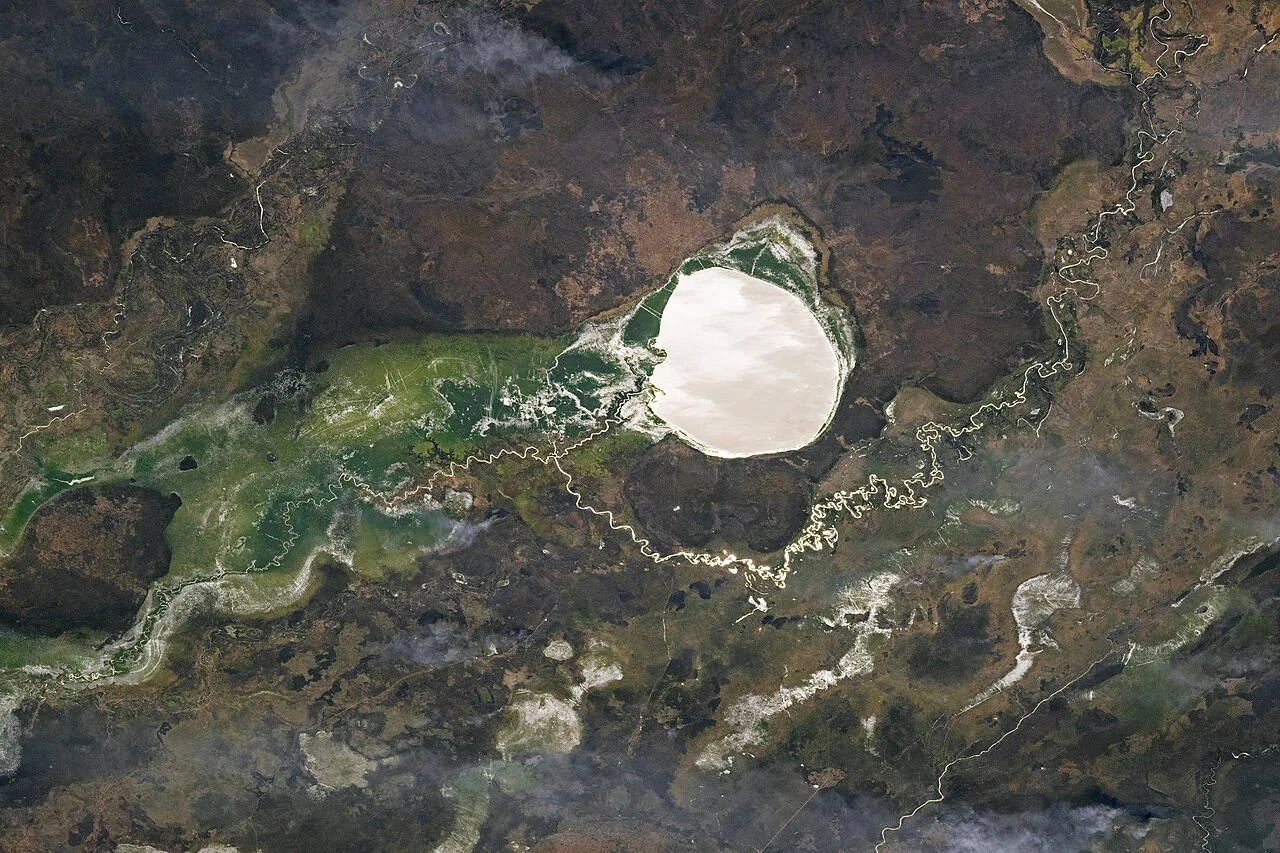
In a dryland, restoring land does not necessarily mean planting a continuous strip of trees. It can mean improving farmland, grazing areas, woodland or wetlands in ways that fit local water and livelihood needs. On 6 October 2026, UNEP announced a new programme across nine Great Green Wall countries, with funding and ambitious targets. The announcement describes planned investment and intended benefits; it is not a report that those hectares or livelihood outcomes have already been achieved.
What the announcement commits to
The Global Environment Facility committed US$78 million to an initiative intended to restore more than 270,000 hectares of degraded land and support improved livelihoods for five million people across nine countries. The programme’s total resources, including co-financing, are expected to exceed US$500 million. UNEP says it will implement eight of ten projects and coordinate regional delivery, while the West African Development Bank will implement two. These are programme commitments and targets, not completed results. [1]
The participating countries are Burkina Faso, Chad, Ethiopia, The Gambia, Mali, Mauritania, Niger, Nigeria and Senegal. The initiative is named the Transformation Approach to Large Scale Investment in Support of the Implementation of the Great Green Wall Initiative. It builds on more than a decade of restoration work led by Great Green Wall countries and earlier work assessing degraded land and where restoration may succeed. [1]
A landscape is more than a line on a map
The Great Green Wall is an African-led initiative launched in 2007 to address desertification, land degradation and drought across the Sahel. The new programme frames restoration as strengthening ecosystems that support agriculture, pastoralism and rural livelihoods. The name can suggest a single belt of planted trees, but the reported work spans different land uses and ecological settings. [1]
That variety is necessary because drylands are not empty or uniform. A farmer, herder and wetland-dependent community may use the same broad landscape differently, and interventions suited to one site may be wrong for another. The announcement lists, for example, farmland, woodland and grazing-land rehabilitation in Niger, and wetland and forest-corridor restoration in The Gambia. These distinct aims show why “more trees” is too narrow a measure of the programme. [1]
Livelihoods are part of ecological durability
Land restoration lasts only if people can continue to use and care for landscapes in workable ways. The programme includes livelihood support and specific approaches such as women-led enterprises in Nigeria’s Kebbi State and Mauritania, and drought-resilient land management in Chad and Burkina Faso. Those are planned areas of work; the release does not report their eventual effects on incomes, land condition or resilience. [1]
Consider a hypothetical grazing area where vegetation is recovering but access rules exclude the people who depend on it. A restoration count might look positive at first, yet a plan that disregards local use could be difficult to maintain. Conversely, local agreements and livelihoods can give residents a reason and capacity to steward land over time. The details must be negotiated locally; there is no single dryland formula.
Targets need a way to be checked
The programme introduces a coordinated regional approach intended to improve monitoring and knowledge exchange among countries. This matters because hectares under activity, hectares showing ecological recovery and households experiencing improved livelihoods are different measures. A useful monitoring plan would clarify what counts as restored, how condition is assessed, and when benefits are checked. The announcement gives targets but does not provide achieved monitoring results. [1]
The programme’s country examples vary in scale and purpose. Mali is set to have 150,000 hectares regenerated across three regions, while Niger’s plan includes 55,000 hectares of farmland, woodland and grazing land. In Ethiopia, the plan covers restoration on 22,000 degraded hectares and changes to management across 40,000 hectares of natural forest. These are announced plans, not completed area totals. [1]
What to watch after the launch
The announcement says the initiative will align national priorities through a shared regional framework, help countries exchange knowledge and improve the ability to plan and measure together. Whether that approach works will depend on delivery, local participation and sustained monitoring. The headline amount is significant as a funding commitment, but it cannot by itself demonstrate ecological recovery or improved livelihoods. [1]
Readers can follow the programme by separating inputs from outcomes: money committed is an input; hectares targeted are a plan; measured changes in soil, vegetation, water or livelihood security are results. The next meaningful update should make clear which projects started, who shaped them and what indicators are being tracked. That is how a “green wall” becomes a question of lived landscape recovery rather than a symbolic row of trees.
Follow the evidence
Primary reporting and background sources. Event dates and publication dates are shown separately above.
Read our editorial standards. Have a correction? Identify the article and relevant source in your feedback to the site owner.