tree day
Guide
How to keep a nature journal?
A useful nature journal records dated observations separately from guesses, then returns to the same place to notice change. Keep entries short, consistent and suited to what you can actually observe.
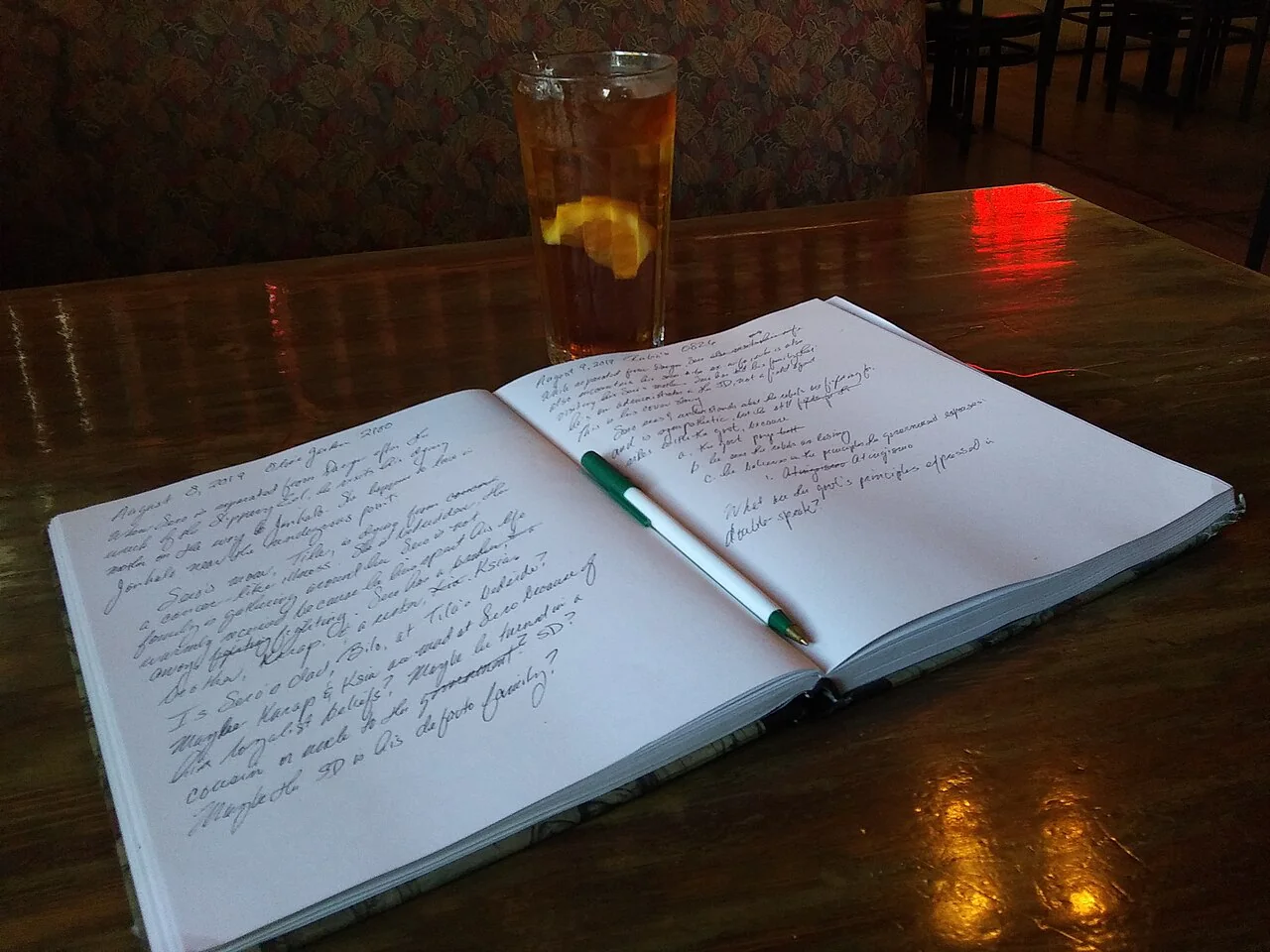
A nature journal does not need polished drawings or expert species names. A dated note such as “three small birds on the fence; wind from the west; ground still wet under the tree” is already useful because it records what you saw and when. The key is to make observations specific enough to compare later, while keeping guesses clearly marked as guesses.
Pick a place you can revisit
Choose a nearby tree, garden bed, sidewalk verge or park corner that is safe and accessible. A small, familiar area is easier to revisit than a scenic destination that requires a special trip. Decide what you want to notice: seasonal changes, bird activity, shade, flowering or how rain affects the ground.
Keep the scope manageable. If an entry tries to cover every plant and animal, the journal can become a chore. One focused question—What changes in this patch from month to month?—gives each visit a thread without limiting what else you may notice.
Date the facts and label the guesses
Start each entry with the date, approximate time, weather and location. Then record direct observations in plain language: leaf color, number of visible flowers, bird behavior or where a puddle remains. If you infer a cause, label it: “Maybe the soil stays wet because the downspout drains here.” That phrasing preserves curiosity without turning a hypothesis into a fact.
You can add a simple sketch or map if it clarifies where something happened. Accurate proportions matter less than consistency: mark the same tree trunk, path edge or garden boundary each time so you can compare notes.
Use repeatable prompts
A short prompt list can make entries easier: What is growing? What is moving? What sounds do I hear? Where is sun or shade? What changed since my last visit? Leave space for an unexpected detail. If children are journaling, invite them to draw first and add words afterward; adults can record exact descriptions without correcting every spelling or identification.
For example, a hypothetical journal entry might say: “October 12, late afternoon. The bench is shaded; two leaves have fallen since last week. I heard a crow once. I think the tree’s shade reached the bench earlier today, but I did not check the time.” The last sentence tells a future reader what remains uncertain.
Make comparisons fair
A comparison is stronger when you note conditions that affect what you see. A visit after rain may reveal different ground conditions than a dry afternoon; a morning visit may show different activity than an evening one. You do not need a formal scientific protocol for a personal journal, but recording time and weather prevents an easy mistake: attributing every difference to a long-term environmental change.
If you track shade, use the same viewpoint and note the time. Trees and vegetation can cool urban environments, but an informal journal does not measure a neighborhood heat effect. Keep the scale of your conclusion close to the scale of your observations. [1]
Return, review and choose one next question
After several entries, read them together and look for repeated patterns, exceptions and gaps. Perhaps the ground is often wet near one edge, or a flowering plant appears only in spring. The pattern may prompt a useful question for a local naturalist or grounds manager; it does not automatically explain what caused it.
Do not feel obliged to collect or disturb anything to make the journal valuable. Ecosystem restoration may involve active planting, but it can also involve removing pressures so nature recovers, or conserving intact areas. Observation can help you notice when care means leaving a place alone. [2]
The next step is simple: choose one nearby place, write the date and three things you can directly observe, then return under different conditions.
Follow the evidence
Primary sources used in this story. Practical examples are illustrative unless a source states otherwise.
- US EPA: Using trees and vegetation to reduce heat islands ↗
- UN Decade: What is ecosystem restoration? ↗
Read our editorial standards. Have a correction? Identify the article and relevant source in your feedback to the site owner.