tree day
Guide
Nature activities for children?
Nature activities for children work best when they are simple, nearby and shaped around noticing rather than collecting. Try observation, mapping, sound and rain-focused activities that can adapt to age and local conditions.
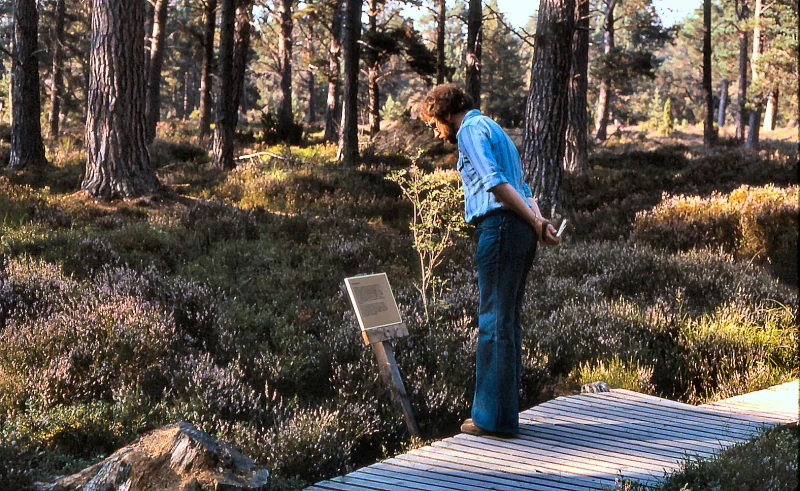
A good nature activity needs little more than a place to pause and a question to notice. Children can map where shade falls, listen for different sounds or draw what changes after rain without taking anything home. These activities work in a yard, school grounds or public green space, and they can be adjusted to what is safe, accessible and seasonally present where you live.
Make a shade map
Pick a familiar outdoor area and ask children to mark where they find shade at one time of day. If they return later, they can compare the pattern. Older children might add trees, buildings and pavement to their sketch; younger ones can draw a sun and the places they would choose to sit. The point is to observe how the space feels and changes, not to claim a precise temperature difference.
Trees and vegetation can cool urban environments, and community tree efforts are one way to address heat islands. A child’s map can lead to a practical question about whether a play area has comfortable places to rest. For heat safety, follow official local guidance when conditions are dangerous. [2]
Listen before naming
Sit quietly for a minute, then ask children to list sounds: bird calls, wind, traffic, insects or people. Have them mark where each sound seemed to come from. On another visit, compare the list without insisting that the same sounds will appear. This activity builds attention and gives children a way to notice how human and natural sounds share a place.
Avoid promising that every park or season will produce wildlife sightings. The activity still succeeds when the most noticeable sound is a bus or a breeze through leaves. Children can discuss what the setting makes easy or difficult to hear.
Trace what rain leaves behind
After a light rain, observe from paths or other safe ground. Sketch where water has soaked in, where it gathered and where it seems to move. Do not wade into puddles, drains or floodwater, and do not touch water that may be contaminated. The exercise is about reading a landscape, not testing water quality.
EPA describes green infrastructure as using filtration, infiltration and evapotranspiration to treat and absorb rainwater where it falls; examples include rain gardens, green roofs and permeable pavement. Children can compare planted and paved areas and ask how each affects rain, while understanding that a sketch alone cannot establish how well a site manages runoff. [1]
Create a tiny habitat inventory
Ask children to look for signs of life without collecting them: a leaf with a hole, a seed, a spiderweb, a bird on a branch or a patch of moss. They can draw each find or make a list of the places where they noticed signs. Set a rule not to pull plants, disturb nests or handle unfamiliar animals. A quiet inventory often reveals more than a race to find the most species.
Explain that restoration is not always about planting. It can mean helping an ecosystem recover by removing pressures, and it can also mean conserving places that remain intact. That gives children a useful reason to leave some areas undisturbed. [3]
Adapt the activity to the child and place
For a young child, one short question may be enough: What is different from last time? Older children can add a date, a rough map and a note about weather. In a dry climate, shade and hardy plant signs may be more observable than puddles; in a cold season, tracks or bare branches may be the focus. Choose an activity that fits local conditions and the child’s mobility, attention and comfort.
The common mistake is turning a walk into a checklist that rewards collecting or speed. Instead, let children choose one thing to notice and give them time to look closely. The next visit can build on a drawing or question they already have.
Follow the evidence
Primary sources used in this story. Practical examples are illustrative unless a source states otherwise.
- US EPA: Stormwater management research ↗
- US EPA: Using trees and vegetation to reduce heat islands ↗
- UN Decade: What is ecosystem restoration? ↗
Read our editorial standards. Have a correction? Identify the article and relevant source in your feedback to the site owner.