tree day
Guide
How to teach children about trees?
Help children learn about trees by returning to one nearby tree, asking observable questions and connecting its features to shade, seasons, habitat and care. Keep explanations grounded in what they can see.
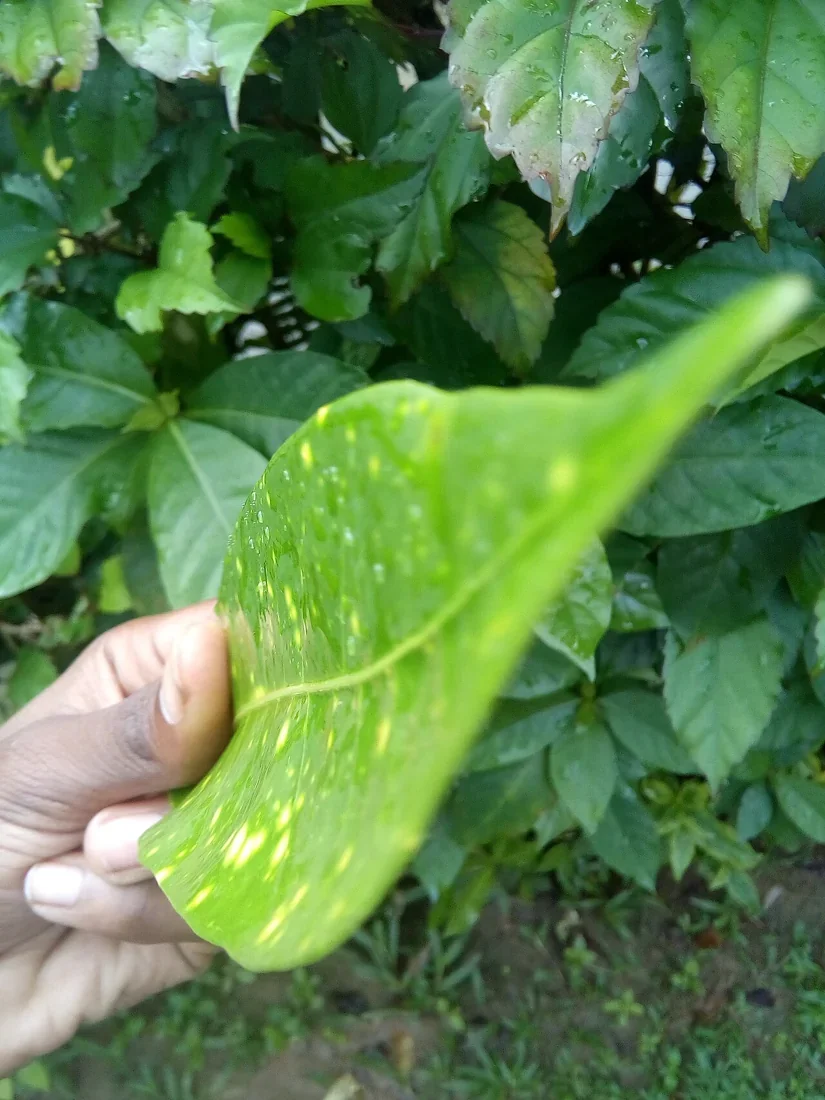
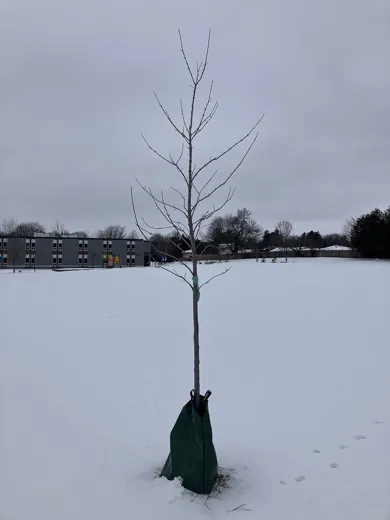
To teach children about trees, start with one they can visit more than once. Ask what they notice about its bark, leaves, shade and surroundings, then return to see what has changed. Repeated observation gives children a way to build understanding from evidence rather than memorizing a list of facts. It also makes room for different ages to ask different questions about the same tree.
Begin with what children can see
Choose a tree that is accessible and safe to observe from the ground. Invite children to describe its shape, leaf arrangement, bark, nearby plants and the light beneath its branches. Ask open questions—What looks different here? Where is the shade?—before offering explanations. If children want to identify the tree, use a reliable local guide and treat uncertainty as part of learning. [4]
Keep observation separate from inference. “The soil is darker here” is something a child can check; “the tree made it darker” is a possible explanation that may need more evidence. This simple distinction makes a walk feel like investigation rather than a quiz.
Connect a tree to everyday comfort
On a sunny day, compare a shaded spot with a nearby exposed place, without turning the activity into a precise temperature experiment. Children can notice where they prefer to stand or play and talk about how leaves and branches change their experience of a space. Trees and other vegetation have a natural cooling effect and are used by communities as one approach to reducing heat islands. [2]
The useful lesson is that a tree is part of a setting. Shade depends on the tree’s size, placement and conditions, and the cooling effect of vegetation does not make every outdoor area equally comfortable. Children can map where shade falls at different times and discuss why the pattern moves.
Follow rain through the landscape
After rain, look from a safe place at where water remains, soaks into soil or moves over hard surfaces. Ask why those places might differ. EPA explains green infrastructure as using filtration, infiltration and evapotranspiration to treat and absorb rainwater where it falls; rain gardens, green roofs and permeable pavement are examples. A tree can be part of a greener landscape, but one tree does not automatically manage runoff on its own. [1]
For a hypothetical class, children might sketch a schoolyard after rain and mark puddles, planted areas and drains. Their map can prompt better questions: Is the ground compacted? Does the planted area receive runoff? Who could explain how the site was designed? Avoid inviting children to enter flooded areas or touch questionable water.
Use questions that fit the age
Younger children may enjoy noticing a leaf’s outline, listening for birds or comparing the tree’s shade with yesterday’s. Older children can keep a seasonal record, compare two trees’ growing conditions or investigate what lives in the soil without disturbing it. The aim is not to cover every topic in one walk; it is to leave room for attention and follow-up.
If you do not know an answer, write the question down and look for a trustworthy local source together. Tree species, pests and seasonal timing vary by region, so a general book or online image may not fit the tree in front of you. A nearby extension service, botanical garden or municipal tree program may help with local identification.
Pair curiosity with care
Children can learn that ecosystems may recover through active planting or by removing pressures that prevent nature from recovering. That is a more accurate story than saying every damaged place needs a new tree. Some ecosystems are already intact and benefit from protection; others need different kinds of repair. [3]
End by choosing one small action connected to what the group observed: make a seasonal sketch, keep feet off a fragile planting bed or ask the grounds team how a tree is cared for. Let children return to the same tree later and compare notes.
Follow the evidence
Primary sources used in this story. Practical examples are illustrative unless a source states otherwise.
- US EPA: Stormwater management research ↗
- US EPA: Using trees and vegetation to reduce heat islands ↗
- UN Decade: What is ecosystem restoration? ↗
- Penn State Extension: Planting trees in your community forest ↗
Read our editorial standards. Have a correction? Identify the article and relevant source in your feedback to the site owner.