tree day
Guide
What are nature based solutions?
Nature based solutions use ecosystems to address human challenges while supporting ecological health; learn what the term covers, where it fits and what to check before backing a project.
Nature based solutions use the functions of ecosystems to help address challenges people face, such as managing stormwater or reducing urban heat. They can involve protecting an existing ecosystem, helping a degraded one recover, or adding vegetation where it can serve a clear purpose. The term describes an approach, not a guarantee: a project still needs a suitable site, careful design, upkeep and evidence that it works.
Nature does work through specific processes
A green feature is not automatically a solution to every problem. Its usefulness depends on the process involved and the conditions at the site. In stormwater management, for instance, vegetation and soil may filter pollutants, allow water to infiltrate, or return some water to the air through evapotranspiration. The EPA identifies those processes as ways green infrastructure can treat and absorb rain where it falls, and lists rain gardens, green roofs and permeable pavement as examples [1].
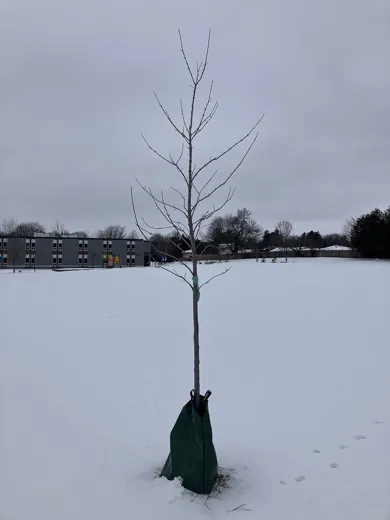
For urban heat, trees and other vegetation can cool their surroundings, according to EPA guidance on reducing heat islands [2]. Shade is one visible part of the picture, but location, canopy growth and ongoing care affect who benefits. A nature-based approach therefore begins with a defined challenge and asks which ecological function can help address it, rather than assuming that adding plants will solve a problem by itself.
The term covers protection as well as repair
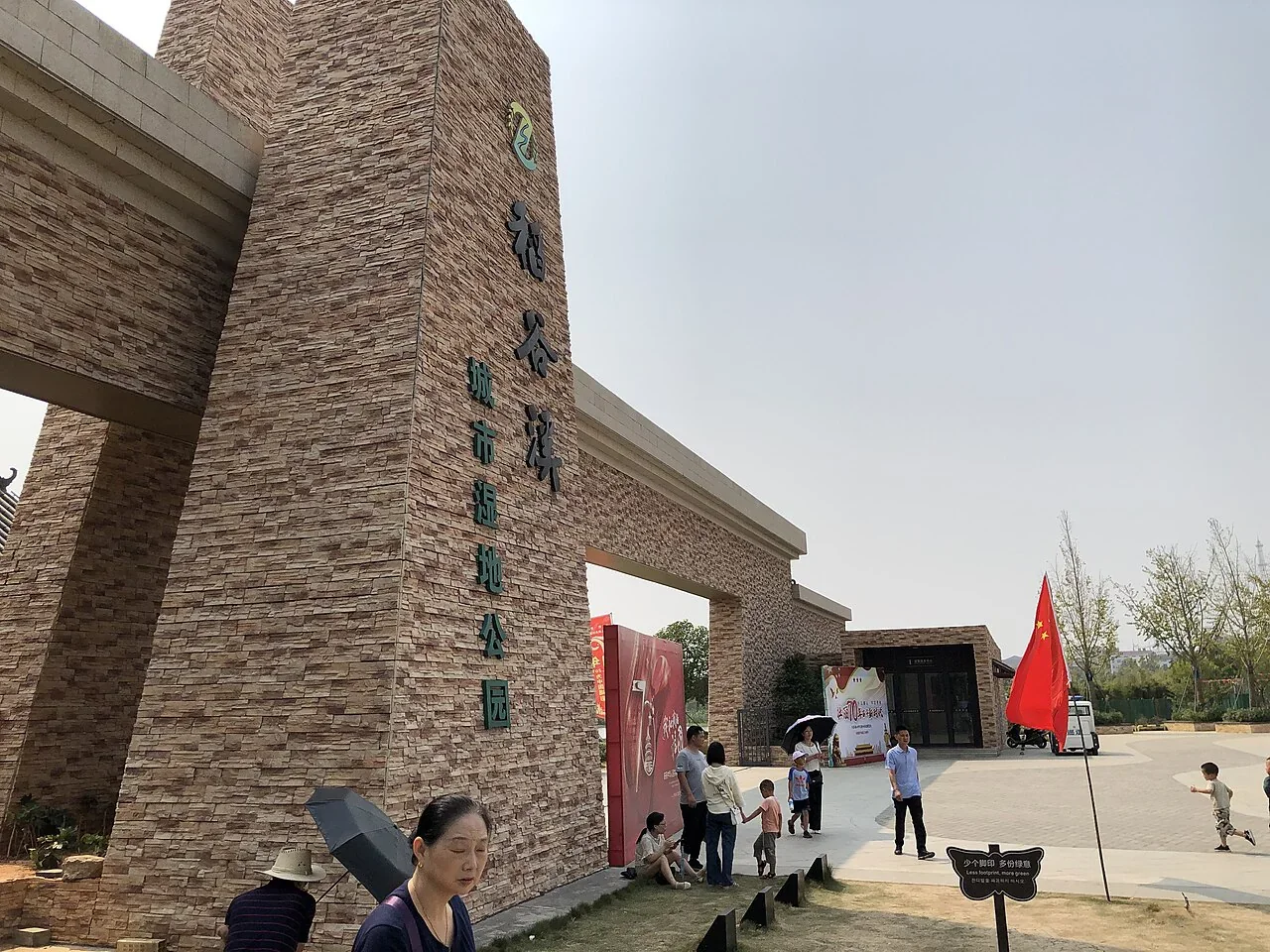
Projects often focus on planting, but ecosystem recovery can take other forms. The UN Decade on Ecosystem Restoration defines restoration as assisting the recovery of degraded or destroyed ecosystems and conserving ecosystems that remain intact. It notes that recovery can happen through active planting or by removing pressures so nature can recover on its own [3]. Protecting an intact wetland from damage may be a more appropriate action than rebuilding one after loss.
Nor is the goal always to recreate a historic landscape exactly. The same source says returning an ecosystem to its original state is not always possible or desirable, given continuing human needs and a changing climate [3]. This makes the term flexible, but it also raises a useful accountability question: what condition is the project trying to achieve, and why is that a reasonable goal for this place?
Match the approach to the problem and place
A neighborhood experiencing runoff may consider a rain garden, while a street short on shade may consider trees. But those examples do not establish that either intervention is suitable everywhere. Soil, drainage, available space, nearby infrastructure, local species and maintenance capacity all affect choices. Ask who assessed the site and whether the proposed design can handle the conditions it is meant to address.
Some projects combine natural and built features. That can be sensible where ecological processes alone cannot meet the need or where infrastructure must continue to perform. The relevant comparison is not simply “green or gray”; it is whether the combination works for the goal, fits the location, and has a credible plan for operation and repair. EPA stormwater research includes costs, effectiveness, maintenance and groundwater impacts among planning considerations [1].
Check for outcomes and unintended effects
Ask the project team to distinguish its activities from the benefits it expects. Planting trees is an activity; greater shade along a particular route is an intended result. Installing permeable pavement is an activity; managing a specified flow of water is a performance claim that needs evidence. A good plan explains how it will observe whether the intended result occurs, who will maintain the feature and what response follows if it falls short.
Also consider who benefits and who may be inconvenienced. A new green space might improve local conditions but create access, construction or upkeep concerns. A restoration effort may affect how people use land. These are reasons to include local knowledge and discuss trade-offs early, not reasons to reject nature-based approaches as a class.
Use the label as a starting question
The phrase can bring together useful work, but it should not substitute for a project description. Ask which ecosystem function is involved, what challenge it addresses, why the site is suitable, who shaped the plan, what will be maintained and how success will be checked. Then consider whether the approach complements other measures needed to protect people and ecosystems.
For a hypothetical block seeking shade, residents might first identify the routes and waiting areas where heat is most burdensome, then discuss whether trees can thrive there and who can care for them. That sequence keeps the goal—usable shade—at the center. Your next step is to request the project’s site-specific rationale and its plan for checking results after installation.
Follow the evidence
Primary sources used in this story. Practical examples are illustrative unless a source states otherwise.
- US EPA: Stormwater management research ↗
- US EPA: Using trees and vegetation to reduce heat islands ↗
- UN Decade: What is ecosystem restoration? ↗
Read our editorial standards. Have a correction? Identify the article and relevant source in your feedback to the site owner.