tree day
Guide
What is a pocket park?
A pocket park is a small public green space fitted into a compact urban site; understanding who can reach it, what it offers and who maintains it matters more than its size alone.
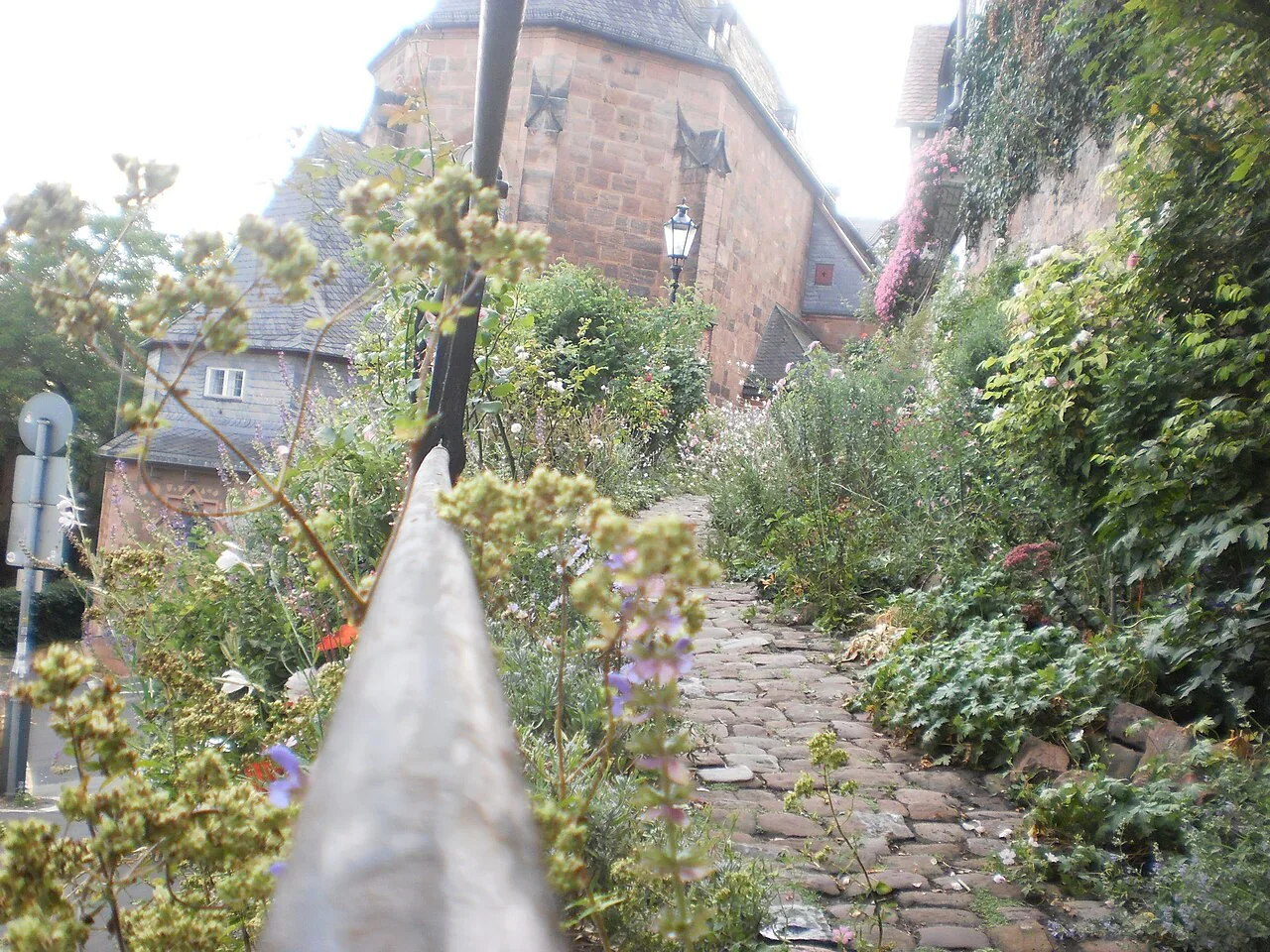
A pocket park is a small public outdoor space, often created on a vacant lot, a leftover urban parcel or another compact site where a larger park is not feasible. It may offer a bench, planting, play space or a quiet place to pause. The label describes scale, not a guarantee of access, greenery or quality: a pocket park works only if people can reach it and someone can care for it.
Small site, public purpose
Unlike a private garden or landscaped entrance, a pocket park is intended for public use. Its footprint may be modest enough to fit between buildings or within a neighborhood block. A planted corner with no public access is not necessarily a pocket park, even if it looks green from the sidewalk. Before judging a proposed site, establish who owns it, whether the public may enter and what uses are allowed.
The point is often convenience. A small park can put a place to sit or encounter plants closer to homes than a large destination park. It cannot replace every role of a larger park, which may have sports fields, broad paths, restrooms or room for many activities. Think of it as a local amenity with a defined purpose, not a miniature version of every park feature.
What it can contribute
A pocket park can provide a place to rest, meet a neighbor or spend a short time outdoors. Planting may also contribute to neighborhood greenery and, depending on design and site conditions, help manage rainwater. The US EPA describes green infrastructure as using filtration, infiltration and evapotranspiration to treat and absorb rainwater where it falls; examples include rain gardens and permeable pavement. A small park might incorporate such features, but its name alone does not mean it manages stormwater. [1]
A park can also be part of ecosystem restoration when it helps recover a degraded site or reduces pressures on an existing ecosystem. Restoration can include cities and may involve active planting or allowing nature to recover after pressures are removed. Not every newly landscaped lot qualifies as restoration; the work and ecological context determine what is happening. [2]
Design for actual use
Start with nearby residents’ needs. A shaded seat may be more valuable than decorative planting on a block where people need somewhere to pause. On another site, a simple open area or habitat planting may be the stronger choice. Ask who is likely to use the park, at what times, and what would make it comfortable and legible from the sidewalk. Include neighbors who may not attend a daytime meeting or use the space in the same way as others.
Access involves more than an entrance. Consider the route from the sidewalk, surface firmness, slope, seating, shade and whether the layout gives people room to move. A park can be technically open yet hard to use for someone who cannot manage steps or uneven ground. Local access standards and site conditions should inform any construction decisions.
A hypothetical site choice
Imagine an unused parcel between apartments and a corner shop. Residents want somewhere to pause on a walk. One concept fills most of the lot with dense beds; another places a clear path and a few seats near the sidewalk, with planting at the edges. The second may better fit that stated need, but it could require more routine attention to keep the path clear and the seats usable. This is a planning example, not a claim about a real project.
The right balance depends on who will maintain the site, water plants if needed and repair furniture or paths. A low-maintenance planting plan can be sensible, but “low maintenance” does not mean no maintenance. Agreeing on responsibilities before construction helps avoid a park that looks finished at opening and becomes difficult to use later.
Check the promise behind the name
When evaluating a proposed pocket park, ask whether public access is secure, what activity it is designed to support, how it will connect with the sidewalk, and who will maintain it. If stormwater benefits are claimed, ask what the design is intended to do and how performance or upkeep will be handled; EPA research notes that green infrastructure planning involves constraints, costs, benefits and maintenance. [1]
The useful next step is to visit the site and write down one need the park should meet, such as a resting place on a commonly walked route. Bring that need to the owner or planning team and ask how the proposed layout serves it. That keeps the discussion grounded in daily use instead of treating the word “pocket” as proof that the space will work.
Follow the evidence
Primary sources used in this story. Practical examples are illustrative unless a source states otherwise.
Read our editorial standards. Have a correction? Identify the article and relevant source in your feedback to the site owner.