tree day
Guide
What is a just transition?
A plain-language guide to just transition: how environmental change can protect livelihoods, share its costs fairly and give affected people real influence over decisions.
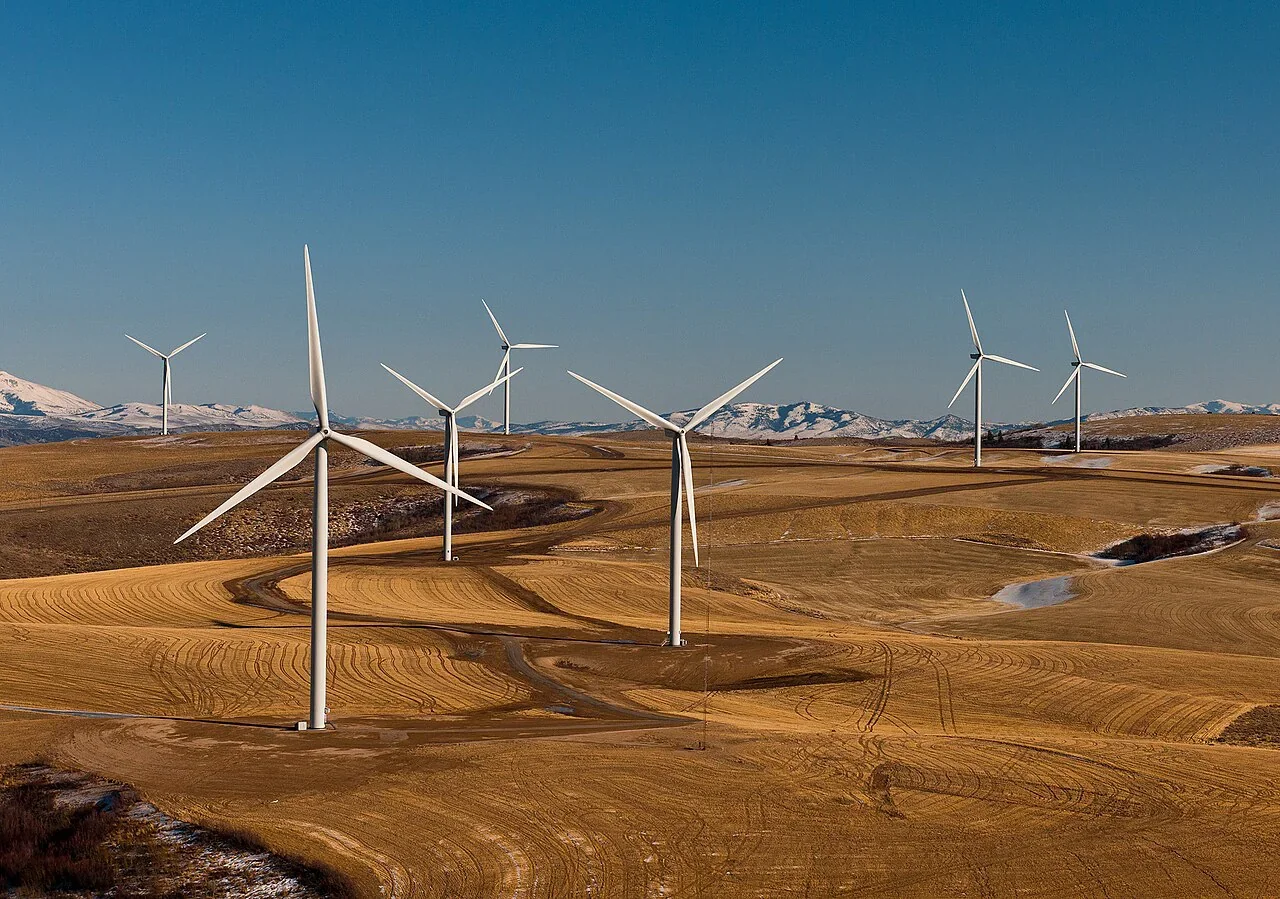
A just transition is a shift toward a more sustainable economy that takes seriously who bears the costs and who receives the benefits. It asks how workers, households and communities affected by environmental or economic change can maintain livelihoods, gain new opportunities and influence decisions. The phrase is not a promise that every change will be painless; it is a test of whether the process recognizes real people and distributes support fairly.
The word just changes the questions
A transition can lower pollution or restore land and still leave some people facing lost income, higher costs or decisions made without them. Calling it just means those effects belong in the plan from the beginning. Instead of asking only whether a project meets an environmental target, ask who might lose work, who can access new jobs, who pays for changes at home, and who has power to shape the choices.
The idea applies across different scales. A worker may need training and time to move into another line of work; a town may rely on an industry that is changing; a neighborhood may need protection from heat or flooding without displacement. These situations are not identical, so a just transition is better understood as a process and set of questions than as a single standard package.
Put affected people in the room early
Consultation matters most when it can still change the plan. If a decision is effectively settled before residents or workers are asked to comment, participation may amount to explanation rather than influence. A credible process says who is affected, how their views will be collected, how disagreements will be handled and which parts of the plan remain open.
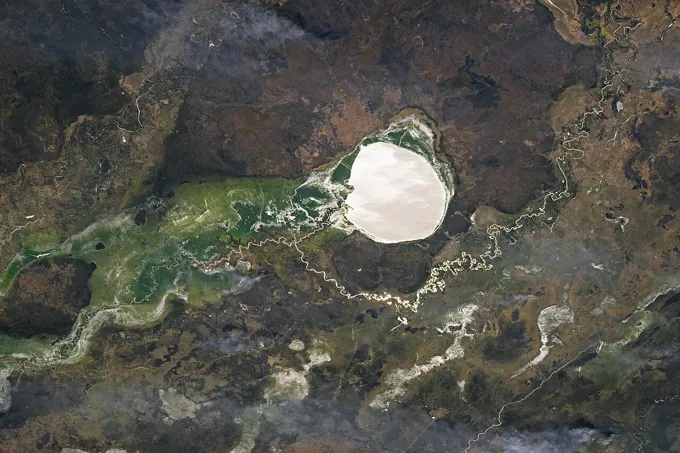
In a hypothetical town considering a new land-restoration project, organizers might begin by mapping who uses the site, what livelihoods depend on it, and what access residents need. The UN Decade on Ecosystem Restoration describes restoration as assisting recovery of degraded ecosystems and conserving intact ones; it also notes that restoration is not always a return to an original state, since societies need land for uses such as farming and infrastructure and ecosystems must adapt to a changing climate [2]. That makes local choices about land use and access central, not incidental.
Make benefits and burdens visible
A fair plan identifies both expected gains and possible burdens. Gains might include healthier surroundings, safer streets, new work or improved access to nature. Burdens might include temporary disruption, retraining time, lost income, changes in access or responsibilities shifted onto unpaid community members. Naming these effects does not mean every concern can be resolved, but it lets decision makers explain their choices and provide support where they can.
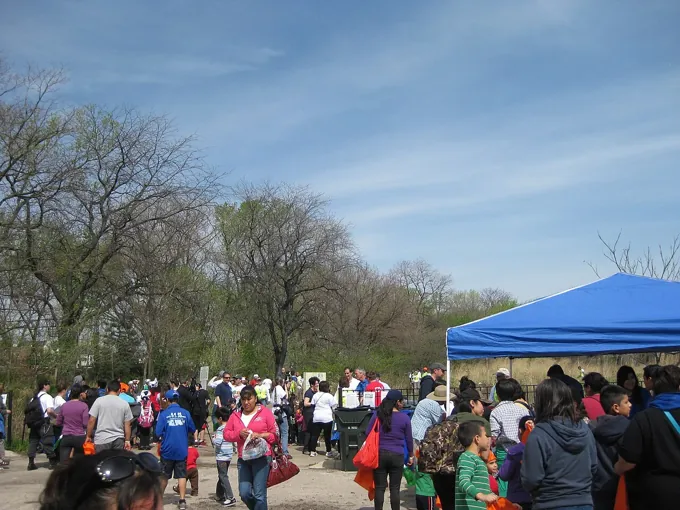
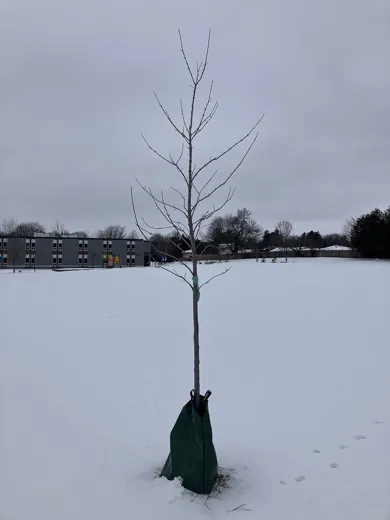
Environmental improvements can also have uneven effects within a community. A tree-planting effort, for example, may offer shade, yet the project still needs to ask where trees are placed, who maintains them and whether residents benefit from the resulting public space. EPA materials describe trees and vegetation as ways to reduce heat islands and direct communities to consider local factors in planting efforts [1]. The practical lesson is to evaluate distribution: who gets the benefit and who is asked to carry the work?
Plan support alongside the change
Support is more credible when it is connected to the actual disruption. Affected workers may need training that leads to realistic openings, income support during a transition, or a voice in workplace planning. Residents may need accessible information, help navigating a program or protection from being priced out of improvements. The right measures depend on local circumstances; a generic promise to create jobs does not answer whether workers can obtain them.
A plan should also explain its timeline and responsibilities. Who funds support, who delivers it, when will people qualify, and how can they appeal or report a gap? These questions distinguish a funded commitment from a broad aspiration. They also make it easier to see when environmental goals and social supports are being designed together rather than handled by separate teams that never coordinate.
Judge the process by what changes
A useful way to evaluate a transition is to follow several questions over time: Did affected people influence the decision? Were expected burdens identified before they arrived? Did promised support reach the people it was intended for? Were environmental results monitored, and did decision makers adjust when conditions changed? A process can be imperfect and still improve if it reports honestly and responds to evidence.
The word just should not be used as a label that closes debate. It is a reason to examine who has a say, who carries risk and how benefits are shared. If a proposal affects your workplace or neighborhood, the next useful step is to ask organizers for a plain-language account of affected groups, planned support and the decisions residents or workers can still change.
Follow the evidence
Primary sources used in this story. Practical examples are illustrative unless a source states otherwise.
- US EPA: Using trees and vegetation to reduce heat islands ↗
- UN Decade: What is ecosystem restoration? ↗
Read our editorial standards. Have a correction? Identify the article and relevant source in your feedback to the site owner.