tree day
Guide
How to volunteer for conservation?
Find a conservation role by matching your time, skills and physical limits to a specific local need, then check training, supervision and follow-up. Some useful work supports recovery; other work protects places already intact.
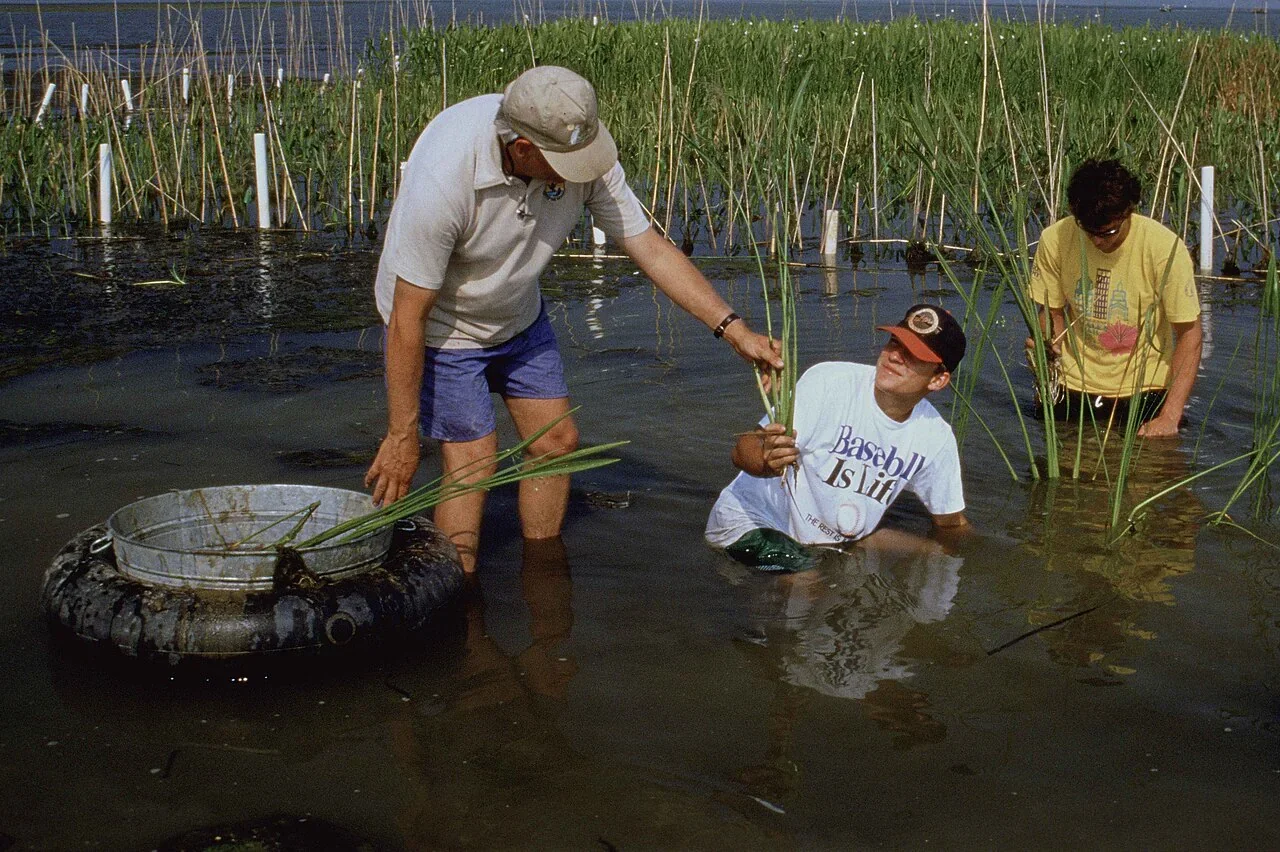
To volunteer for conservation, start by asking what a local group actually needs help with this month. A group may need people to record observations, remove invasive plants under supervision, care for a restoration site or help with outreach. The best fit is work you can do safely and reliably, with clear instructions about the place, the task and what happens after your shift.
Look for a defined local role
Search the websites or contact pages of local parks, land trusts, watershed groups, native plant organizations, museums and municipal programs. Read the task description closely: does it name the site, expected time, training and a contact person? A specific role is easier to evaluate than a general call to “help nature.”
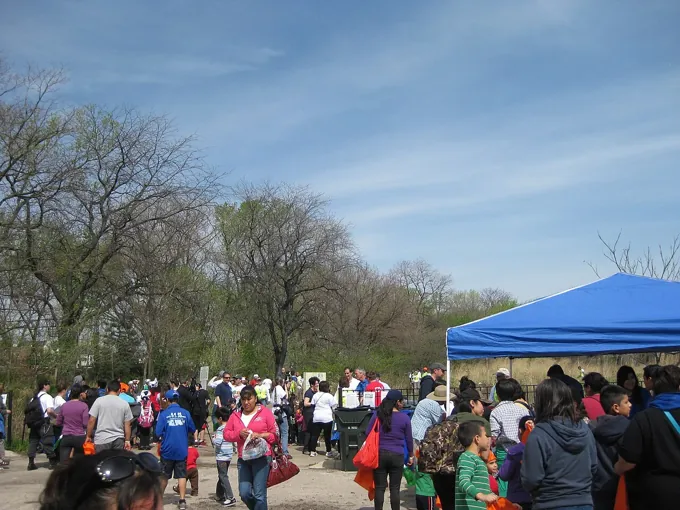
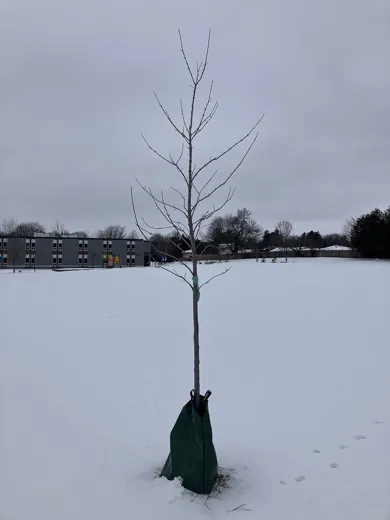
If you are interested in tree planting, check whether the group has permission, a site plan and a way to care for new trees. Trees and vegetation can help cool urban environments, and green infrastructure can help manage rain, but a volunteer task should connect to an identified local need. [2] [1]
Ask what success looks like
Before signing up, ask how the group will use your work and how it will know the task was completed. For a planting event, success might include preparing a site appropriately and assigning follow-up care, not simply putting many plants in the ground. For a survey, success might mean recording observations consistently and noting uncertainty rather than producing a large species list.
The UN Decade on Ecosystem Restoration defines restoration as assisting recovery of degraded ecosystems and conserving those that remain intact. That means some conservation volunteering involves active repair, while other work prevents damage to places that are already functioning. Ask which goal the task serves. [3]
Match the role to your capacity
Check the time commitment, physical demands, tools, outdoor conditions, accessibility and minimum age. Ask whether training and protective equipment are provided and who supervises participants. If the description is vague about hazards, permissions or disposal of removed material, get clarification from the organizer before arriving.
A hypothetical volunteer with limited weekend availability might choose one monthly bird-count session over a weekly site-care role. Someone who prefers desk work could help organize records or communicate event details. Conservation needs include practical fieldwork, but a sustainable role is one that fits the volunteer rather than requiring them to overextend.
Respect the site and local rules
Follow the organizer’s instructions about paths, wildlife, plants and tools. Do not collect or move organisms unless the project explicitly authorizes it and explains how. If work involves digging, make sure the organizer has arranged utility location and site clearance. Leave decisions about species identification, pesticide use or tree care to qualified staff when those decisions require expertise.
Conditions vary across places. Rules for handling plant material, water or waste may differ by local authority, landowner and project. Ask the project lead what guidance applies at that site rather than assuming that a method accepted elsewhere is suitable.
Close the loop after your shift
Record what you did and pass along observations or concerns through the channel the organizer provides. If the task is part of a longer project, ask when results or follow-up dates will be shared. This helps volunteers see how individual shifts contribute and gives the organization a chance to adjust its plan.
A common mistake is choosing a task because it sounds impressive without checking whether it matches the site or your availability. The next step is to contact one nearby conservation organization, ask for a defined beginner role and confirm the training, time and follow-up before committing.
Follow the evidence
Primary sources used in this story. Practical examples are illustrative unless a source states otherwise.
- US EPA: Stormwater management research ↗
- US EPA: Using trees and vegetation to reduce heat islands ↗
- UN Decade: What is ecosystem restoration? ↗
Read our editorial standards. Have a correction? Identify the article and relevant source in your feedback to the site owner.