tree day
Guide
Reusable bags environmental impact?
A reusable bag can reduce disposable-bag use if it replaces them repeatedly and is kept clean and in service. Material, durability, and local disposal options matter, so use the bag you already have before buying more.
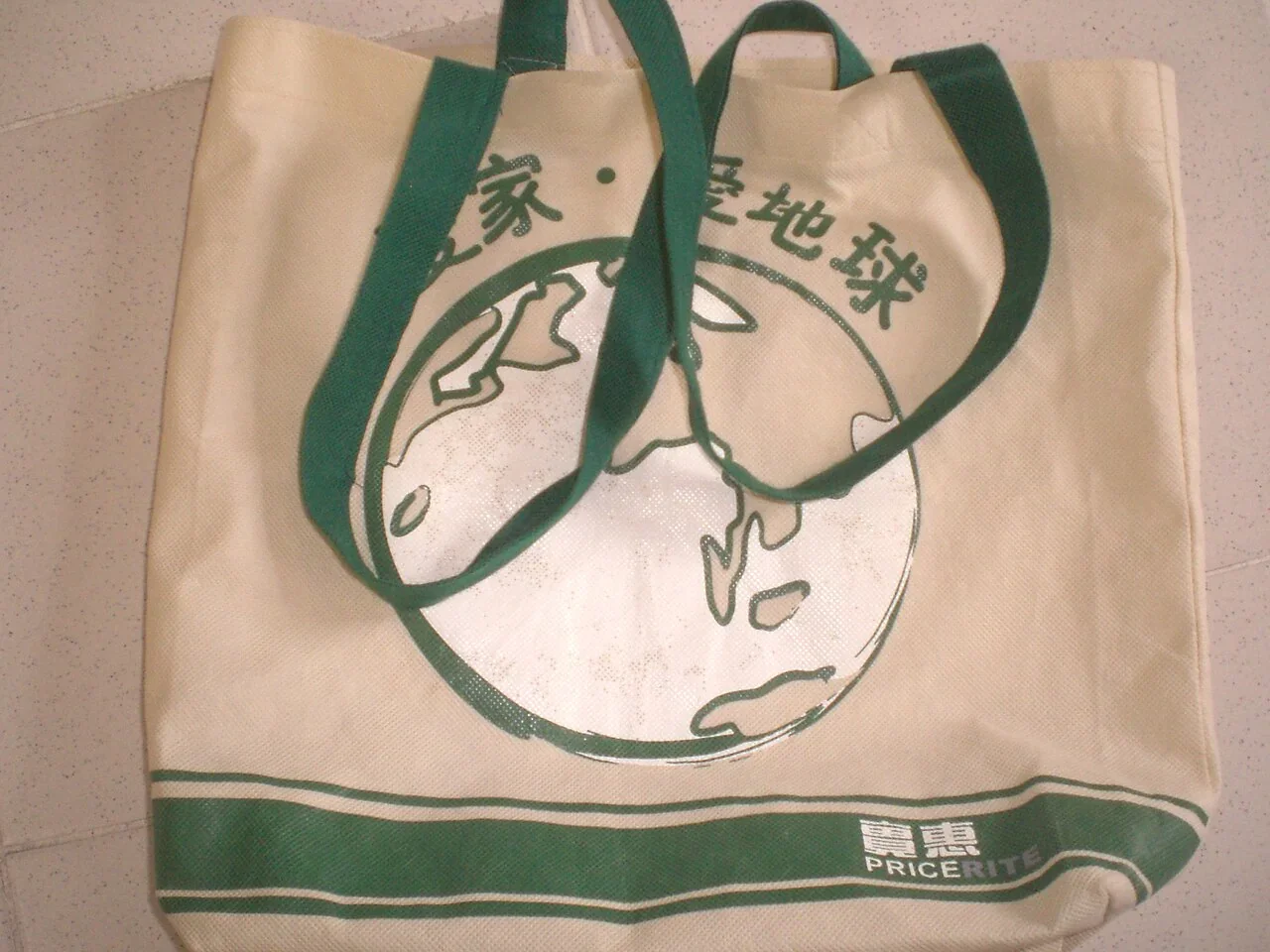
A reusable shopping bag has an environmental benefit only when it is used as a replacement for disposable bags over time. Its material and manufacture have impacts, and a bag left in a closet does not prevent much waste. The most practical approach is to use durable bags you already own, keep them near your shopping routine, and replace them only when they no longer work.
Think in repeated uses
Every bag has an impact from making and transporting it. A reusable one adds value when repeated use spreads that impact across many shopping trips and displaces bags that would otherwise have been used. There is no single number of trips that applies to every bag: materials, manufacturing, size, how it is used, and the type of disposable bag being replaced all change the comparison.
The EPA advises considering products across their life cycle, from raw-material sourcing and manufacturing through transportation, use, and end-of-life, and cautions that a choice can shift impacts rather than remove them [1]. For an everyday shopper, that means avoiding simplistic claims that one material is always best. A bag already in the household is generally the first one to put to work, rather than buying a new “eco” bag before changing the habit.
Make the habit easy
The bag that gets used is the one that is available when shopping happens. Store a few by the door, in a car, or inside a work bag, depending on how you travel. If you forget them often, leave one folded bag in a place you routinely pass. A small system is more useful than owning a large pile of bags that are difficult to remember and store.
Use bags for more than groceries if the material and condition suit the job: carrying library books or household items can keep them in rotation between shopping trips. When a bag is worn, consider whether a seam can be repaired or whether it still has a suitable secondary use. But do not keep accumulating bags under the assumption that every reusable purchase is beneficial. The environmental value comes from actual replacement and continued service.
A weekly-shop example
Suppose a household shops once a week and often takes home several disposable bags. It already owns four sturdy totes but remembers them only occasionally. A practical change is to keep two in the car and two near the household’s usual exit, then make returning them part of unpacking groceries. Over time, the household can observe whether the bags reduce the need for disposables without adding a burdensome routine. This is a hypothetical example, not a measured impact calculation.
If one tote is too small or difficult to clean, use it for dry items and choose a different bag for produce or other needs. If a bag becomes unsuitable for groceries, it may still carry non-food items. The goal is not to force a single bag into every task; it is to extend the useful life of available bags and avoid purchasing more than the household can use.
Cleanliness and material differences
Bags used for groceries should be kept clean, especially when they carry food. Follow care instructions for the bag’s material and keep bags used for raw or unpackaged food separate from those used for other items. A washable fabric bag, a woven synthetic tote, and a paper bag have different care and durability needs. Choose a routine that is manageable and avoids cross-contamination; consult official food-safety guidance if you need instructions for a specific situation.
Durability also varies. A torn handle can make a bag unsafe to carry, and a bag with a lining may be harder to repair or sort at end of life. Avoid judging environmental performance from a material name alone. The EPA's life-cycle framework and warning about burden shifting support looking at the full product rather than one feature [1].
When a bag reaches the end
First see whether repair or another use is practical. Donation is only useful if the bag is clean and in condition that someone else can use. Recycling routes for textiles or mixed-material bags vary by place; the ordinary household bin may not accept them. The EPA advises checking local options for old clothing and shoes and notes that some retailers may offer collection, underscoring how local end-of-life routes differ [2]. A bag’s material does not guarantee a specific recycling path.
A useful next step is to gather the bags already at home, choose the ones in good condition, and place them where shopping begins. Then repair, repurpose, or check local guidance for the rest. If you truly lack a durable bag, buy one suited to your usual loads and care routine, and use it consistently before adding another.
Follow the evidence
Primary sources used in this story. Practical examples are illustrative unless a source states otherwise.
- US EPA: Institutional purchasers of greener products and services ↗
- US EPA: How do I recycle common recyclables? ↗
Read our editorial standards. Have a correction? Identify the article and relevant source in your feedback to the site owner.