An independent journal for a living planetMonday, 2 November 2026
tree day.

A greener world.
A life well lived.

IDEAS TO TAKE INTO EVERYDAY LIFE

The reading room

Explore practical guides on trees, climate, gardens, wildlife, water, food, homes and community life.

321 articles

Photo credits & licence

Climate & change · Guide

How to read a climate graph?

Read the axes, baseline, time span and units before interpreting a climate graph. Those details reveal whether it shows a local observation, a global average, a short-term fluctuation or a long-term trend.
· 3 min 2 sec read ↗

Photo credits & licence

Water & oceans · Guide

How does a wetland work?

A wetland works through the interaction of shallow water, saturated soils, plants and wildlife. Together they can slow and store water, support food webs and influence water quality, with results shaped by local conditions.

· 3 min 28 sec read ↗

Photo credits & licence

Homes & energy · Guide

Embodied carbon vs operational carbon?

Embodied carbon comes from making and installing a home’s materials; operational carbon comes from running it. Understanding both helps homeowners compare upgrades over a building’s life without treating one measure as the whole climate picture.

· 3 min 41 sec read ↗

Photo credits & licence

People & places · Guide

What is a green corridor?

A green corridor is a connected or linked strip of vegetation through a developed area, but its value depends on what it connects, which species or people it serves and how it is maintained.

· 3 min 37 sec read ↗

Photo credits & licence

Water & oceans · Guide

How to read a water quality report?

Read a water quality report by checking what water and location it covers, which measurements were taken, and what the results mean for your intended use. A report is a dated snapshot, not a universal safety guarantee.

· 3 min 20 sec read ↗

Photo credits & licence

Homes & energy · Guide

Energy efficient cooking?

Efficient cooking usually means matching the appliance and cookware to the meal, using lids and residual heat where appropriate, and avoiding unnecessary preheating. Your best option depends on equipment, food and cooking time.

· 2 min 56 sec read ↗

Photo credits & licence

Waste & circular living · Guide

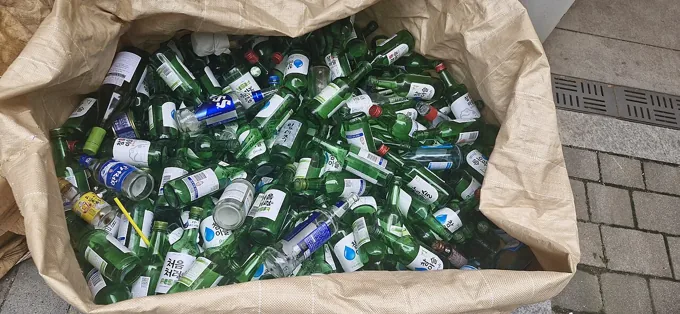
Do you need to wash recycling?

Usually the aim is to empty containers and remove enough food residue to meet local instructions, not to scrub every item spotless. Rinsing can help with accepted containers, but preparation rules vary by program.

· 3 min 13 sec read ↗

Photo credits & licence

Trees & forests · Guide

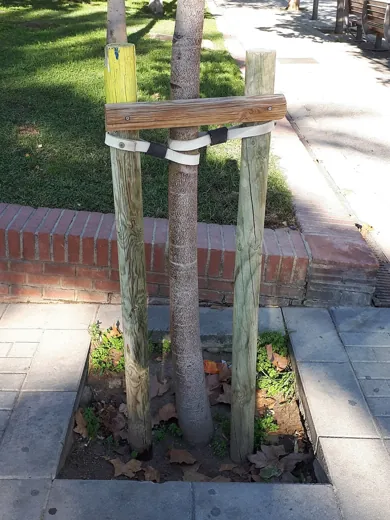
When to stake a tree?

Most newly planted trees do not need support, but staking can help where wind, mower damage or vandalism pose a real risk. Decide based on movement and exposure, and keep any support temporary and flexible.

· 3 min 2 sec read ↗

Photo credits & licence

Food & land · Guide

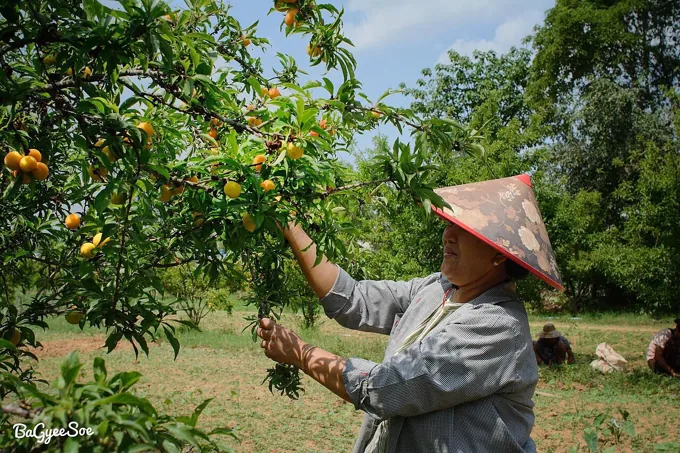
What is seasonal eating?

Seasonal eating means choosing foods that are naturally harvested or available in your region at a particular time of year. Here is how to identify what is in season, adapt the idea to real kitchens and avoid turning it into a rigid rule.

· 3 min 27 sec read ↗

Photo credits & licence

Food & land · Guide

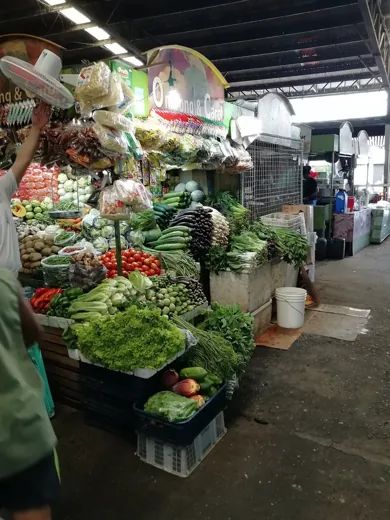
How to shop at a farmers market?

A farmers market is easiest to shop when you arrive with a loose meal plan, ask a few clear questions and buy quantities your kitchen can use. Learn how to compare produce, support local growers and avoid impulse purchases that go to waste.

· 3 min 33 sec read ↗

Photo credits & licence

People & places · Guide

How to keep a nature journal?

A useful nature journal records dated observations separately from guesses, then returns to the same place to notice change. Keep entries short, consistent and suited to what you can actually observe.

· 3 min 6 sec read ↗

Photo credits & licence

Homes & energy · Guide

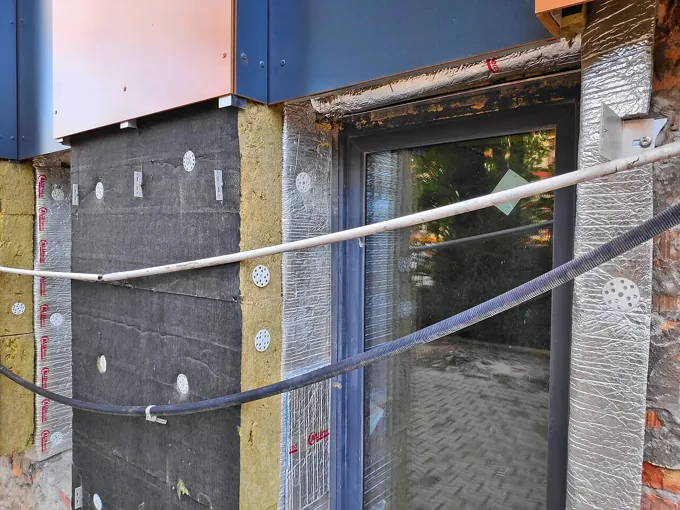
How does home insulation work?

Insulation slows heat transfer through a home's walls, roof, floors and other boundaries, helping indoor spaces stay closer to their intended temperature. Its performance depends on coverage, installation and how well air leaks are managed.

· 3 min 17 sec read ↗

Photo credits & licence

Trees & forests · Guide

Why trees lose leaves?

Many deciduous trees shed leaves as seasonal conditions change and continued leaf maintenance becomes less useful. Leaf drop is normal for these trees, though timing and pattern vary by species and local conditions.

· 2 min 54 sec read ↗

Photo credits & licence

Water & oceans · Guide

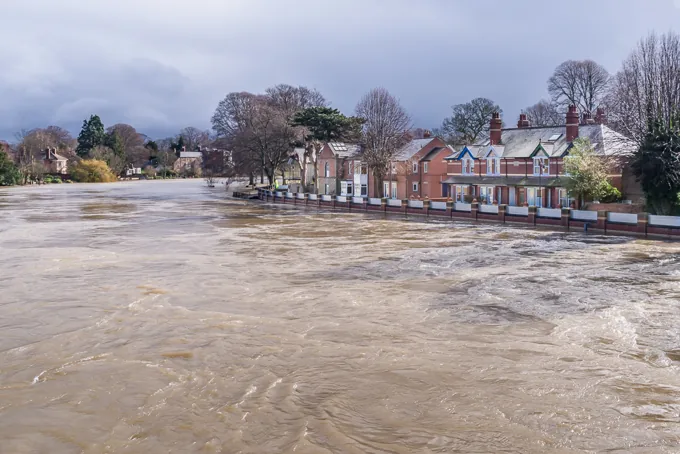
Why rivers flood?

Rivers flood when water entering a channel exceeds what it can carry, often after heavy rain or snowmelt; watershed shape, land cover, and floodplain storage affect the outcome.

· 2 min 59 sec read ↗