Gardens & growing · Guide
How to improve garden soil?
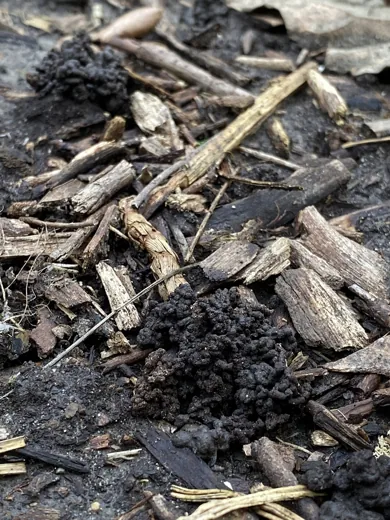
Improve garden soil by building organic matter gradually, protecting its surface, and matching amendments to what the bed and plants actually need.
 tree day.
A greener world.
A life well lived.
IDEAS TO TAKE INTO EVERYDAY LIFE
Explore practical guides on trees, climate, gardens, wildlife, water, food, homes and community life.
321 articles
Gardens & growing · Guide
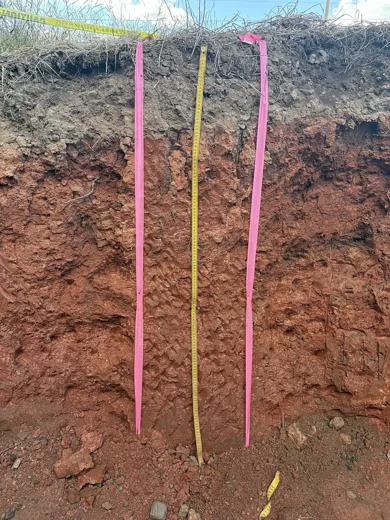
Improve garden soil by building organic matter gradually, protecting its surface, and matching amendments to what the bed and plants actually need.
Water & oceans · Guide
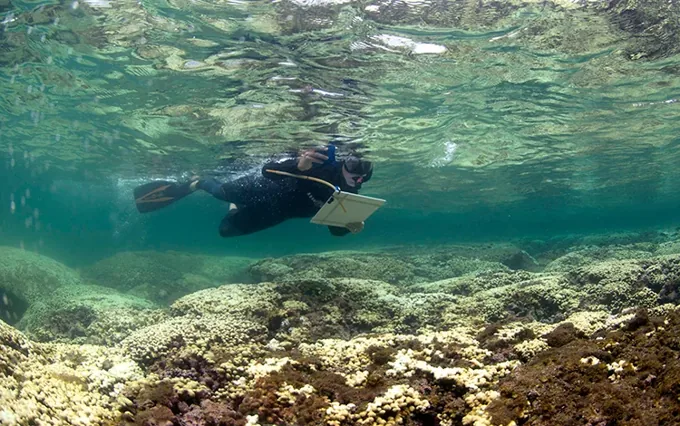
The ocean is warming because it absorbs much of the excess heat trapped by human-driven climate change. Ocean circulation redistributes heat, while the resulting changes affect marine ecosystems and coastal conditions over time.
Waste & circular living · Guide
Wishcycling is putting an item in the recycling bin because you hope it belongs there. Learn why that guess can cause trouble and how to check uncertain items without abandoning recycling.
Climate & change · Guide
A climate tipping point is a threshold beyond which a system can shift substantially, sometimes with self-reinforcing change. Learn how it differs from ordinary variation and why it matters for decisions.
People & places · Guide
Nature based solutions use ecosystems to address human challenges while supporting ecological health; learn what the term covers, where it fits and what to check before backing a project.
Homes & energy · Guide
Air-source and ground-source heat pumps move heat using different outdoor sources. Compare their site requirements, installation scope and practical trade-offs before deciding which system deserves a home assessment.
Trees & forests · Guide
Reforestation restores tree cover where forest has been lost; afforestation establishes it where forest was not recently present. The distinction matters because the right choice depends on the land’s history, ecology and long-term care.
Trees & forests · Guide
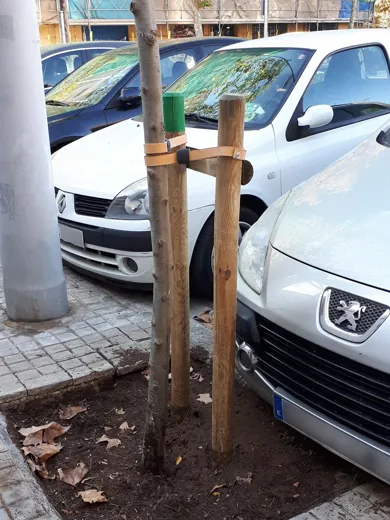
Remove stakes and ties once the tree can stand securely without support, taking care not to pull against the trunk or damage roots. Check for rubbing and instability first; ask an arborist if the tree still leans or shifts.
Trees & forests · Guide
Trees take in carbon dioxide through leaf pores and use carbon from it in photosynthesis. Some carbon becomes part of woody growth and roots, while stored carbon can return to the atmosphere as tissues decay or burn.
Homes & energy · Guide
Fans move air and can make people feel cooler, but they do not remove heat from a room. Air conditioning lowers indoor temperature; choose based on outdoor conditions, comfort needs and whether cooling the space is necessary.
Climate & change · Guide
Carbon dioxide and methane both trap heat, but they differ in sources, atmospheric behavior and how emissions are tracked. A useful comparison keeps the gas, amount, time period and source in view.
People & places · Guide
A plain-language guide to just transition: how environmental change can protect livelihoods, share its costs fairly and give affected people real influence over decisions.
Wildlife & biodiversity · Guide
Species diversity counts the variety of species in a place; genetic diversity describes variation within a species. Both matter, but they answer different questions about the resilience and makeup of living communities.
Waste & circular living · Guide
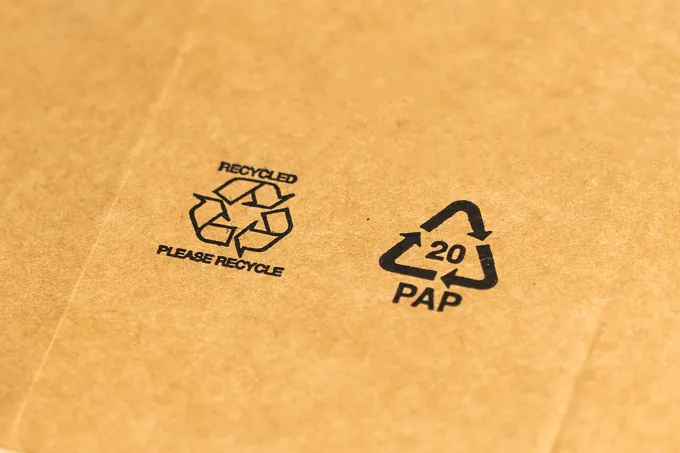
The chasing-arrows triangle on plastic identifies the resin type, not a guarantee that a local program accepts the item. Read labels as clues, then check the provider’s rules for that specific packaging.
Gardens & growing · Guide
Use a simple observation after rain or a small test hole to see how quickly water leaves a garden spot, while recognizing what the result can and cannot tell you.
Seasons & outdoor life · Guide
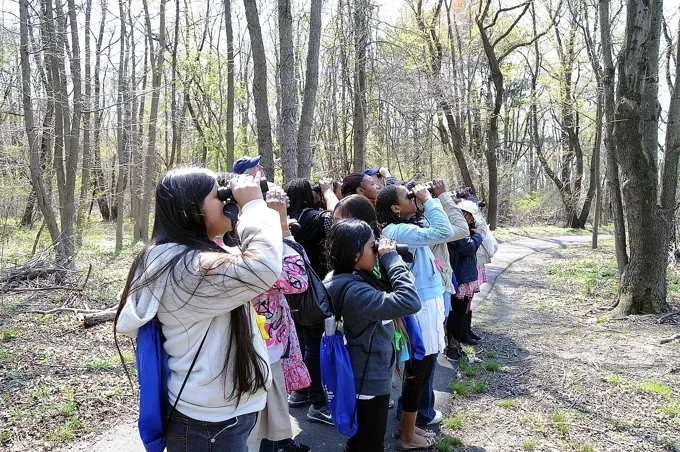
Start with the birds already using a familiar place. A short, repeatable watch helps you notice behavior, learn a few common calls and identify species without needing expensive equipment or close contact.
Gardens & growing · Guide
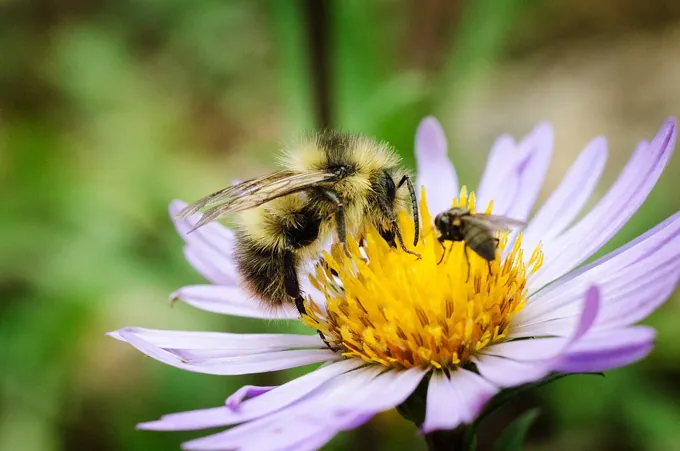
Start a pollinator garden by choosing a suitable sunny or shaded patch, planting regionally appropriate flowers, and reducing routine disturbance. A small, well-matched garden is a practical first step.
Waste & circular living · Guide
Look for environmental claims that are specific, relevant to the product and supported by credible evidence; be cautious of broad words, missing context and labels with unclear standards. Compare the claim with the product’s main impacts and ask what is left out.