Climate & change · Guide
What is climate resilience?
Climate resilience is the ability of people, places and systems to prepare for climate hazards, limit harm, recover and adapt. Here is how to make the idea practical at home and in a community.
 tree day.
A greener world.
A life well lived.
IDEAS TO TAKE INTO EVERYDAY LIFE
Explore practical guides on trees, climate, gardens, wildlife, water, food, homes and community life.
321 articles
Climate & change · Guide
Climate resilience is the ability of people, places and systems to prepare for climate hazards, limit harm, recover and adapt. Here is how to make the idea practical at home and in a community.
Trees & forests · Guide
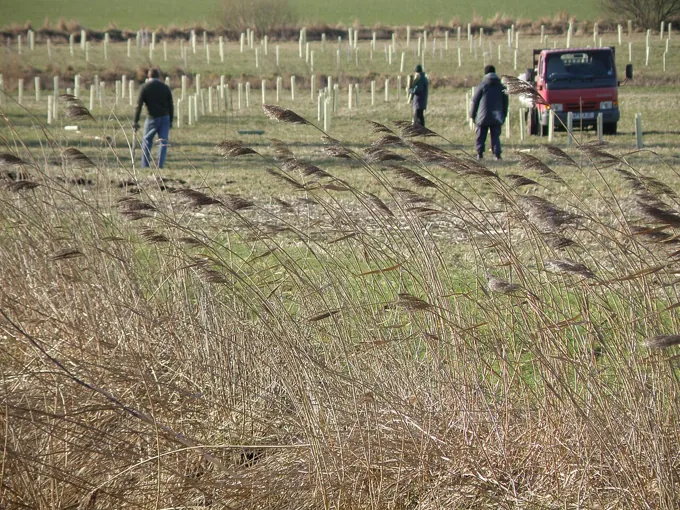
A physical barrier is a practical starting point when deer browse young trees. Choose protection that keeps animals from reaching the tree, leave room for growth, and inspect it regularly so it does not rub or become a trap.
Climate & change · Guide
Carbon neutral and net zero both describe efforts to balance emissions, but the terms can refer to different boundaries and levels of reduction. Here is how to compare claims and what to ask before relying on them.
Gardens & growing · Guide
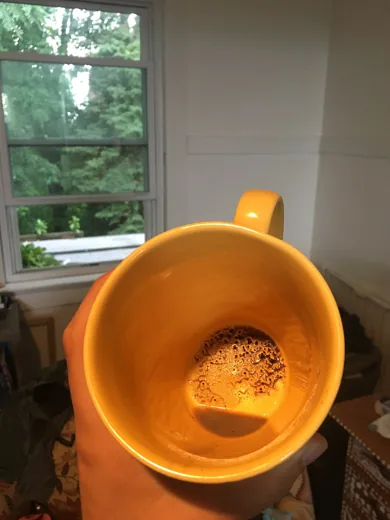
Yes, coffee grounds can go into a backyard compost pile or a worm bin, usually with their paper filters. Learn how to balance them with dry browns, avoid soggy clumps and choose a practical routine for kitchen scraps.
Climate & change · Guide
Climate adaptation means adjusting systems and daily decisions to reduce harm from climate impacts. It addresses exposure and vulnerability, complements emissions cuts and works best when plans reflect local risks and community needs.
Homes & energy · Guide
A home energy audit is an assessment of how a house uses energy and where improvements may reduce waste or improve comfort. Learn what an assessment can examine, what to prepare and how to turn findings into priorities.
Homes & energy · Guide
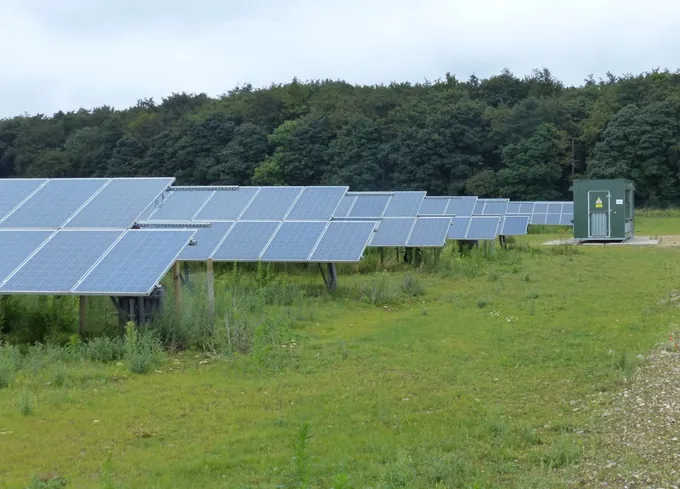
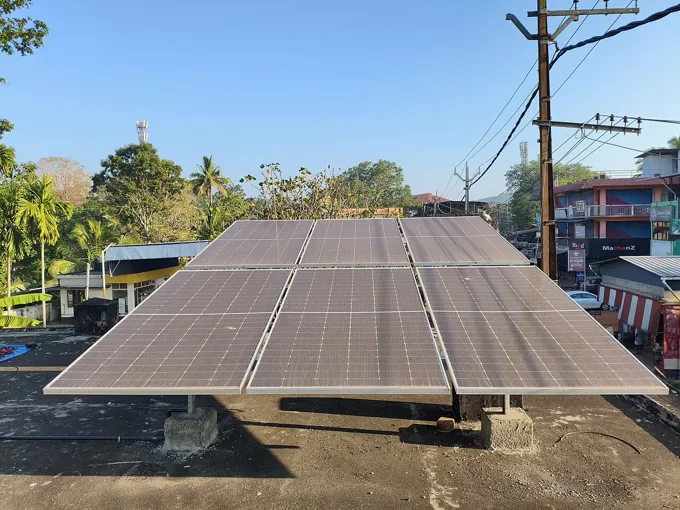
Shade can reduce solar output, but its effect depends on timing, location and array design. Learn how to assess a roof, compare mitigation options and avoid treating every shaded site alike.
Trees & forests · Guide
Set a tree so the trunk flare—the widening where the main roots begin—sits at the finished soil line. The planting hole should support that height without leaving the root ball perched or buried.
Water & oceans · Guide
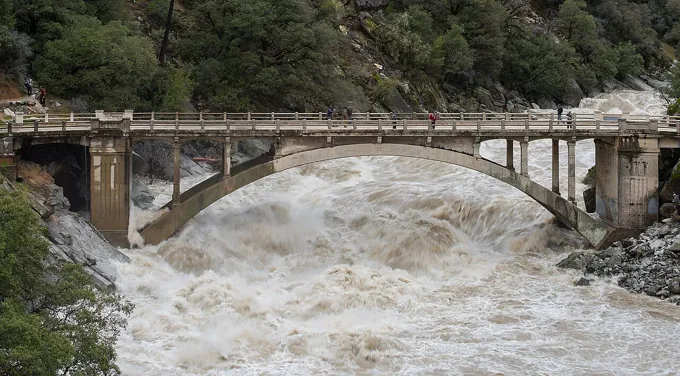
Groundwater is stored and moves below ground in pores and cracks; surface water is visible in rivers, lakes, wetlands and reservoirs. Their paths differ, but they connect through recharge, springs and streamflow.
Climate & change · Guide
Trees can store carbon and shape local conditions, but their climate role depends on species, place, care and time. Learn how to think about tree planting as one part of climate action, not a stand-in for reducing fossil-fuel emissions.
Waste & circular living · Guide
Recycling processes recovered material into feedstock; upcycling turns an existing item into a different useful object. Learn when each route makes sense and how to avoid keeping unusable clutter.
Homes & energy · Guide
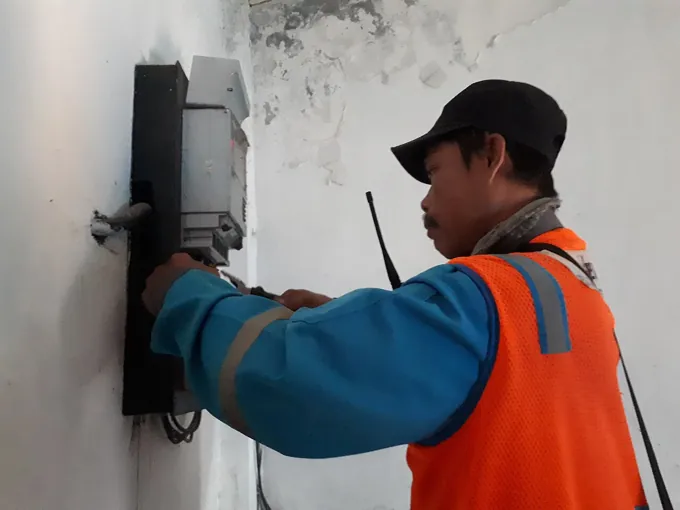
An electricity bill combines measured energy use with the billing period, rate and other charges. Learn to find kilowatt-hours, understand the arithmetic behind a charge, and compare bills without mistaking seasonal changes for a rate change.
Seasons & outdoor life · Guide
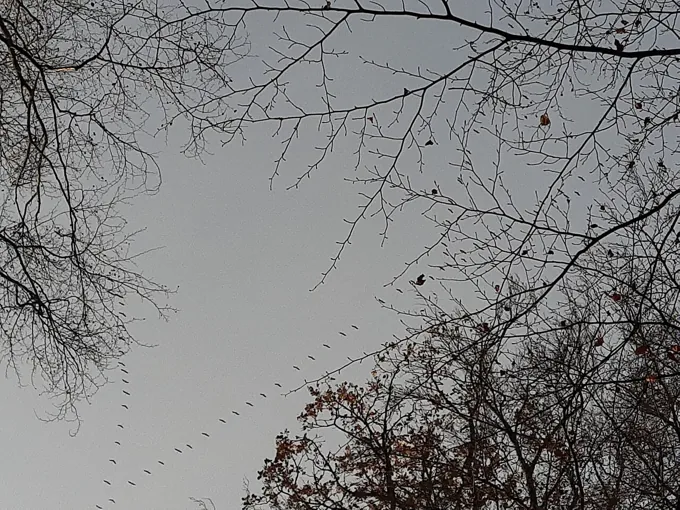
Bird migration is a seasonal response to changing opportunities and conditions: birds move when a different place offers better prospects for food, breeding or survival, though the details vary by species.
Homes & energy · Guide
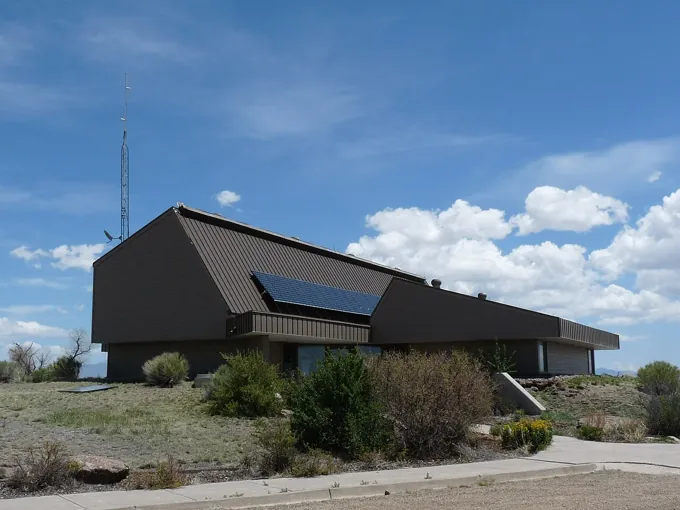
A beginner's guide to deciding whether rooftop solar merits a closer look, from the roof and household load to system proposals, shading and the distinction between panels and batteries.
Wildlife & biodiversity · Guide
Native and non-native describe where a species occurs in relation to a particular place; neither label alone tells you whether it causes harm. Learn how to use the distinction when choosing plants or interpreting wildlife.
Trees & forests · Guide
Native trees can help wildlife when they suit the local climate and planting site. Choose for regional fit and habitat needs, then give the tree enough room and care to establish.
Climate & change · Guide
Mitigation tackles the causes of climate change by reducing greenhouse gas emissions or increasing durable removal; adaptation reduces harm from climate impacts. Communities need both, though they solve different problems and work on different timelines.
Trees & forests · Guide
Clay soil can hold water and compact, so choose a tree suited to the site and make room for roots without creating an amended pocket that behaves unlike the surrounding ground. Check drainage and moisture before planting.