tree day
Guide
Solar panels for beginners?
A beginner's guide to deciding whether rooftop solar merits a closer look, from the roof and household load to system proposals, shading and the distinction between panels and batteries.
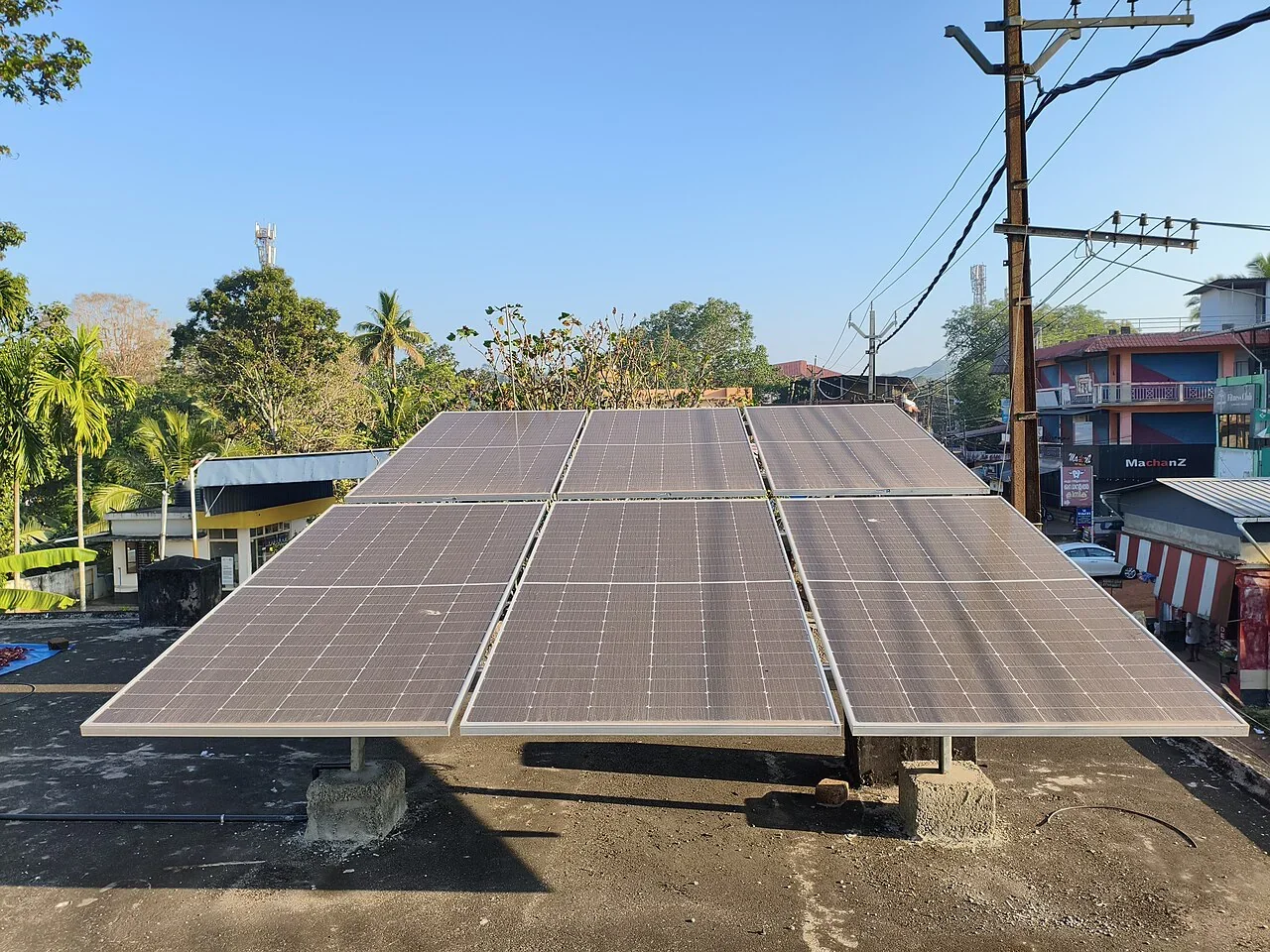
The first question for a beginner is not how many panels to buy; it is whether the roof and household use make a solar proposal worth evaluating. Panels are one part of a home-energy system, and a useful decision starts with the site, electricity use, roof condition and local rules. A basic assessment can help you avoid comparing equipment before you know what the home needs.
Start with the roof and the bill
Look at the roof’s age and condition, the available unshaded area, and any planned repairs. A solar installation is attached to a building that may need maintenance of its own; if roof work is near, coordinating the decisions may matter. Observe shade at different times rather than assuming a single midday view tells the whole story. A qualified installer can assess the roof and explain how its shape and obstructions affect a proposed layout.
Review household electricity use across the year if you can access the bills. The goal is to give an installer a realistic picture of the load the system might serve, not to predict exact production from a quick glance. ENERGY STAR describes renewable energy systems such as solar panels as potential measures a home-energy contractor may recommend after energy-efficiency improvements [2]. [3]
Understand the pieces
Solar panels produce direct-current electricity when sunlight reaches their cells. An inverter changes that electricity into alternating current used by typical household circuits. A grid-connected system may supply the home and send excess electricity through the grid under local arrangements; the details of compensation, interconnection and backup vary by location and utility. A battery is a separate component that stores some electricity for later use, subject to system design and capacity.
This distinction matters when reading a proposal. A panel system does not automatically provide backup during an outage, and adding storage changes the equipment and the questions to ask. Ask which components are included, how the system connects to the home, and what happens when production is lower than household demand. Do not infer a particular utility credit or outage behavior without local documentation.
Efficiency belongs in the same conversation
Reducing avoidable heating and cooling demand can change the size and use of a future solar system. Air leaks and inadequate insulation can contribute to wasted energy and uncomfortable rooms; ENERGY STAR describes sealing and insulating as steps that can improve comfort and energy performance [1]. Its broader home-improvement guidance puts envelope improvements before considering renewable energy measures in its sequence [2].
In a hypothetical example, a household planning to replace an inefficient heating system might first ask how the replacement changes electricity use, then size a solar proposal around the updated load. That is a planning exercise, not a promise of savings: actual use depends on equipment, weather, household behavior and the system. Avoid accepting a solar estimate based on a load profile that is about to change.
Compare proposals, not slogans
Request proposals that show the estimated system layout, key equipment, production assumptions, installation scope and any work needed on the roof or electrical service. Ask what shade assumptions were used and which local approvals or utility steps apply. Have unclear terms explained in writing. A proposal that says only “more independence” or “lower bills” does not let you compare a system with another one.
A realistic trade-off is that solar can require upfront site work and coordination, while a home may still draw electricity from the grid at times. Whether the project makes sense depends on costs, local rules, roof suitability and how long the household expects to use the home. Local prices, incentives and tariffs need to be checked for the household’s location before comparing payback periods.
Follow the evidence
Primary sources used in this story. Practical examples are illustrative unless a source states otherwise.
- ENERGY STAR: Why seal and insulate? ↗
- ENERGY STAR: Home energy improvements ↗
- US Department of Energy: Solar photovoltaic technology basics ↗
Read our editorial standards. Have a correction? Identify the article and relevant source in your feedback to the site owner.