tree day
Guide
How to save energy at home?
Start by finding where your home uses energy and where heat escapes, then choose improvements that fit the building and household. Small behavior changes can help, while repairs and equipment upgrades address larger sources of waste.
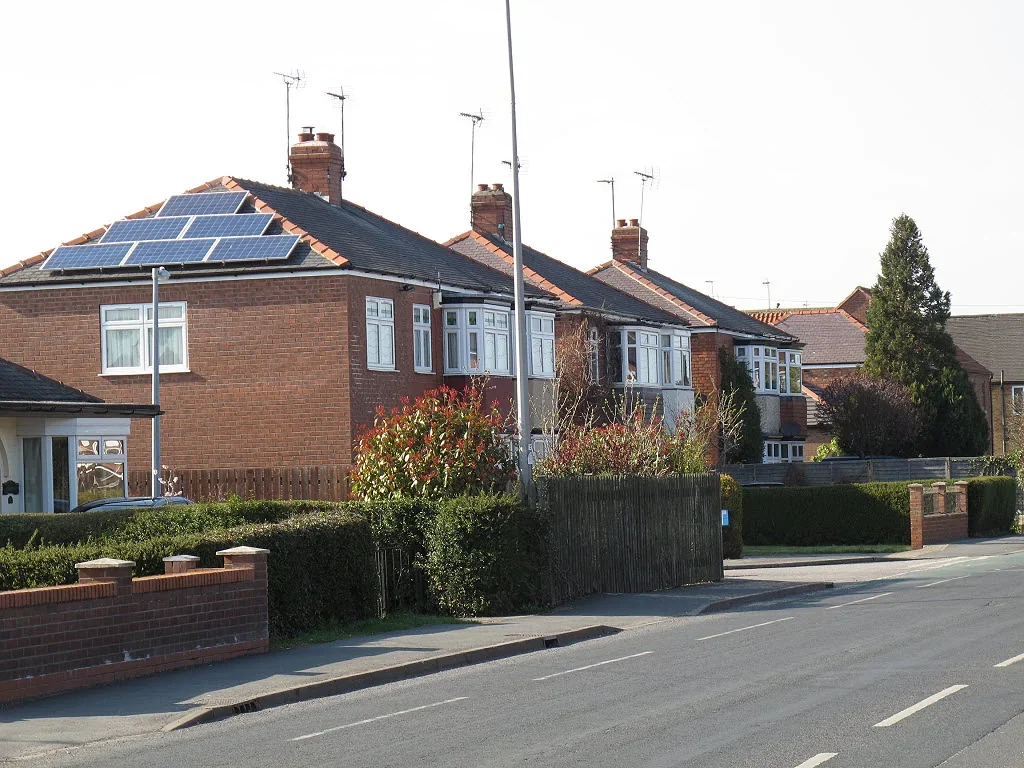
To save energy at home, begin with the uses you can observe: heating and cooling, hot water, appliances and drafts. The best first step is often to reduce waste before buying new equipment. Sealing leaks and adding suitable insulation can improve comfort as well as efficiency, while maintenance and everyday choices can make a difference without a major renovation. [1]
Find the biggest everyday loads
Heating and cooling can account for a large share of household energy use, so comfort problems such as rooms that are consistently too hot, too cold or drafty are useful clues. ENERGY STAR notes that as much as half of household energy use goes to heating and cooling. [1] Hot water, laundry, refrigeration and cooking are other recurring loads. Your own pattern depends on climate, building design, equipment and how many people use the home.
Look at a recent utility statement and note the billing period and energy units, then compare it with a similar season if available. A single bill can reflect weather, occupancy or billing dates as much as efficiency. You do not need to guess which device is responsible; start with the largest regular uses and problems that affect comfort.
Reduce heat leaking through the building
Warm air can escape through gaps around openings and connections in a home's exterior, while insulation slows heat transfer through walls, ceilings and floors. ENERGY STAR describes air sealing and insulation as important measures for improving efficiency and comfort. [2] They work together: insulation cannot compensate for large uncontrolled leaks, and sealing without attention to safe ventilation or moisture can create problems.
A hypothetical example: if a household notices a chilly upstairs room in winter, it could first inspect accessible weatherstripping and attic access for obvious gaps, then seek an assessment before adding insulation. The source of discomfort might be an air leak, inadequate insulation, duct problems or another issue. The right fix depends on the house, so avoid covering vents or sealing combustion-air openings without qualified advice.
Use equipment well before replacing it
Keep heating and cooling equipment maintained according to its instructions, and make sure supply and return vents are not blocked by furniture or rugs. If comfort varies by room, ducts may be disconnected or leaking, or the system may need a professional check. ENERGY STAR identifies duct sealing, system improvements and efficient equipment among possible home projects. [3] A replacement is most useful when the existing unit is due for repair or replacement and the new equipment is properly selected for the home.
For appliances, use efficient settings that match the task: wash full loads where practical, choose cold water for laundry when suitable, and avoid leaving lights or electronics running unnecessarily. Efficient products can help when replacing an old appliance, but replacing a working item early may not be the best household choice. Compare the expected use and function rather than assuming a new label guarantees the best decision.
Treat water and energy as connected
Heating water takes energy, so reducing unnecessary hot-water use can also reduce energy demand. The EPA's WaterSense guidance describes water-efficient fixtures and practices as ways to save water and energy, including choosing cold water for laundry where appropriate. [4] Fixing a leak or shortening an unnecessarily long hot shower may be more practical than changing several devices at once.
Water savings depend on plumbing, habits and local conditions. For example, a household could first check a dripping hot-water tap and use the washer's load-size setting, then see whether comfort and bills change over a few billing periods. Do not assume every water-saving product fits every fixture or local requirement; check product compatibility and local guidance.
Make one change and check the result
A common mistake is to invest in a visible upgrade while overlooking air leaks, maintenance or an equipment setting that is easy to correct. Another is expecting the next bill to prove a small improvement: weather, billing periods and household routines can obscure the effect. Keep a short list of changes and note dates, comfort and energy use over comparable periods when possible.
Choose the next action by cost, effort and likely effect in your home. If drafts or uneven temperatures are the main complaint, investigate sealing, insulation and ducts. If hot-water use stands out, start with a leak check or a suitable efficient fixture. For a larger project, arrange a home performance assessment and use its findings to prioritize work. [3]
Follow the evidence
Primary sources used in this story. Practical examples are illustrative unless a source states otherwise.
- ENERGY STAR: Energy savings at home ↗
- ENERGY STAR: Why seal and insulate? ↗
- ENERGY STAR: Home energy improvements ↗
- US EPA WaterSense: Start saving ↗
Read our editorial standards. Have a correction? Identify the article and relevant source in your feedback to the site owner.