tree day
Guide
How to read an electricity bill?
An electricity bill combines measured energy use with the billing period, rate and other charges. Learn to find kilowatt-hours, understand the arithmetic behind a charge, and compare bills without mistaking seasonal changes for a rate change.

To read an electricity bill, find the billing dates and the kilowatt-hours used first. That number measures energy consumed over the period; the amount due may also include a rate, fixed charges, taxes or other line items. Reading those pieces separately helps explain why a bill changed and points to whether the cause may be usage, timing or the bill's pricing structure.
Start with the dates and usage
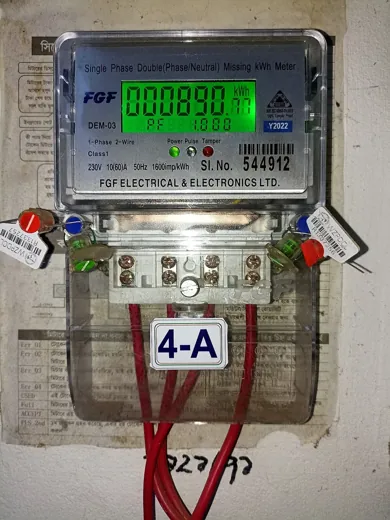
Locate the start and end dates of the billing period, then find the electricity use, usually shown in kilowatt-hours (kWh). A bill covering more days can show higher total use even if daily habits stayed similar. If the statement includes an average daily use figure, it can help compare periods of different lengths, but it is still influenced by weather and occupancy. [3]
Your home uses electricity for many services, including heating, cooling, lighting and appliances. ENERGY STAR notes that heating and cooling can make up a substantial portion of household energy use. [1] That makes season-to-season comparison tricky: a hotter or colder period may change consumption even if the household has not changed equipment or habits.
Separate energy charges from other amounts
A bill may show an energy charge calculated from kWh, alongside fixed monthly charges and other line items. The precise names and structure vary by utility and location, so use the bill's own definitions. If there are multiple rate periods, such as different prices by time of use, check whether the statement separates consumption by period before trying to reproduce the charge.
For a simple hypothetical example, suppose a bill shows 400 kWh and a single energy rate of 20 cents per kWh. The energy charge would be 400 × $0.20, or $80, before any separate fixed fees, taxes or adjustments. This arithmetic explains one line; it does not establish what your utility charges or what the total should be.
Compare like with like
To understand a change, compare the same number of days and similar seasons where possible. Check whether kWh changed, whether the rate changed, or whether a separate charge was added. If the statement includes a prior-year comparison, note that it is a guide rather than a controlled comparison: weather, household size, equipment and time spent at home can all differ.
A useful quick calculation is to divide kWh by billing days to estimate average daily use. If an imaginary 400 kWh bill covers 30 days, daily use averages about 13.3 kWh. Compare that with another period of similar length and weather before concluding that a device or habit caused the difference.
Use the bill to investigate, not guess
If usage rises, think about seasonal heating or cooling, new appliances, changed schedules or a water heater working harder. Air leaks and insulation can affect heating and cooling demand; sealing and insulating can improve efficiency and comfort when suitable for the home. [2] This is a possible mechanism, not proof that a particular bill increase came from drafts.
A common mistake is dividing the total amount due by kWh and calling the result the energy rate. That ratio may bundle fixed fees and taxes into the figure, making it unlike the per-kWh price. Another is comparing totals without checking billing days. Read the charge descriptions and rate details before using the bill to judge a home's efficiency.
Choose the next check
If the bill seems unexpectedly high, confirm the dates and meter reading or usage data, then compare kWh per day with a similar period. Review rate details and ask the utility to explain an unfamiliar line item if needed. If the amount is plausible but use is higher, focus on a large recurring load such as heating, cooling or hot water rather than switching off many small devices at random.
Keep the statement or record the dates, kWh and total for future comparison. A short, consistent record can reveal whether a change persists beyond one unusual month. Then choose whether the next step is a billing question, a household usage check or a home energy assessment.
Follow the evidence
Primary sources used in this story. Practical examples are illustrative unless a source states otherwise.
- ENERGY STAR: Energy savings at home ↗
- ENERGY STAR: Why seal and insulate? ↗
- US Energy Information Administration: Measuring electricity ↗
Read our editorial standards. Have a correction? Identify the article and relevant source in your feedback to the site owner.