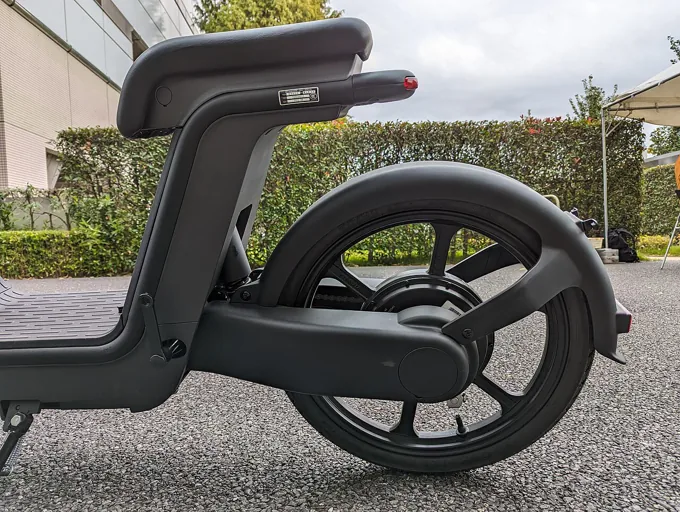
UNEP’s October update describes electric motorcycles, battery swapping and leased buses in Nairobi, alongside the financing and charging constraints shaping their expansion.
The Global Cooling Pledge Assembly in Singapore announced a nature-based cooling challenge, work on a heat resilience roadmap and a voluntary platform for cooling manufacturers.
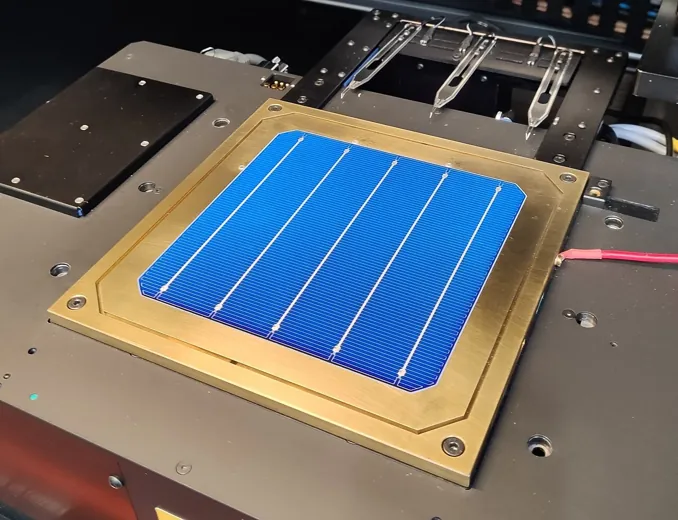
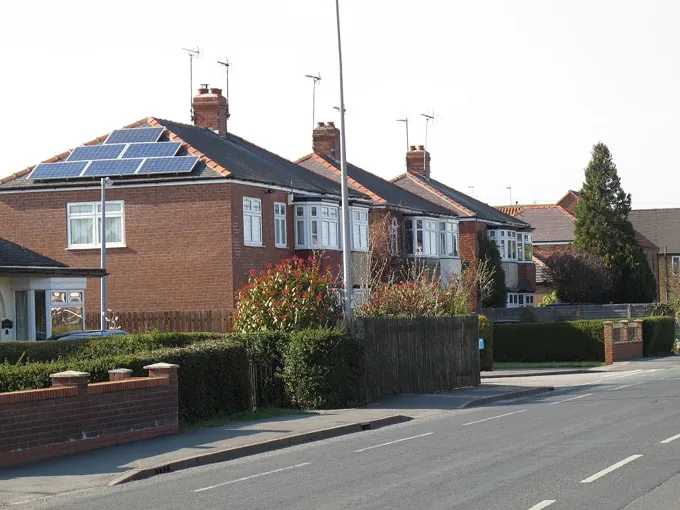
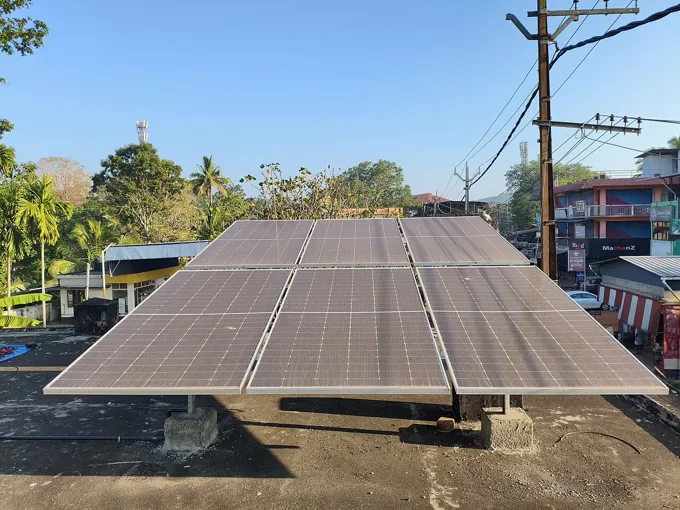
Solar panels turn incoming light into electrical current through semiconductor cells. Follow the path from sunlight to usable household power and learn what the inverter, grid connection and shade change.
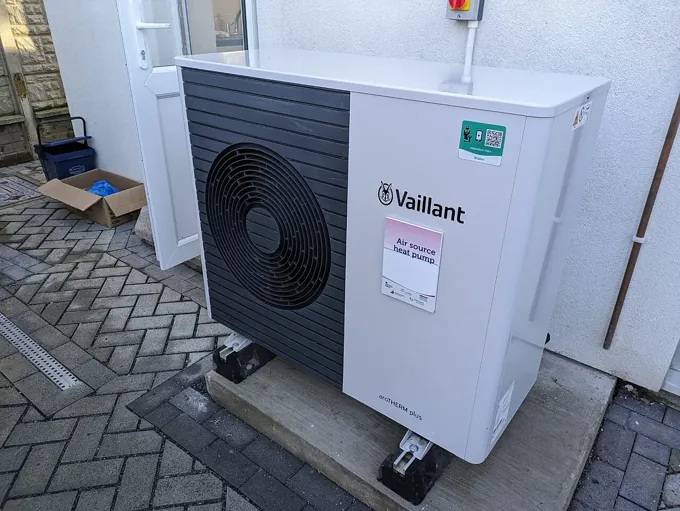
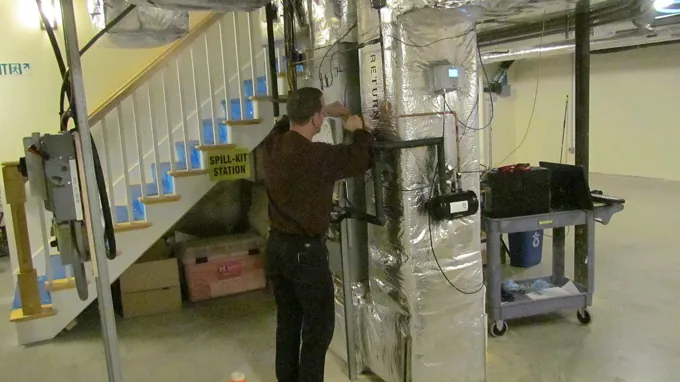
A heat pump moves heat instead of making it through combustion. Learn how its indoor and outdoor parts work, why insulation and system sizing matter, and what to ask before considering one for a home.
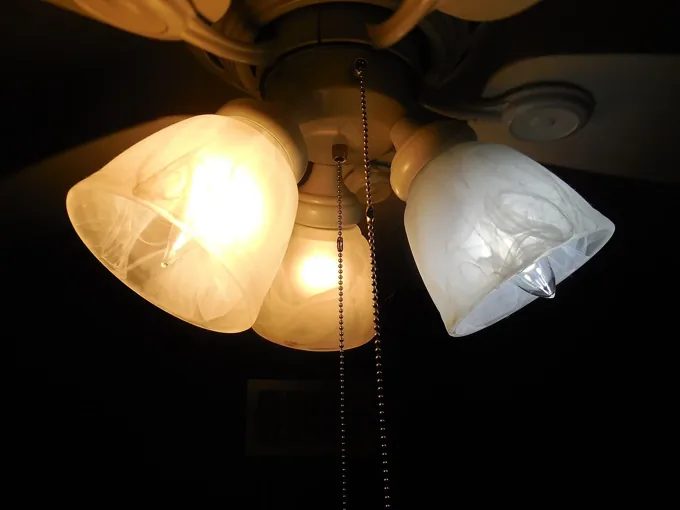
LEDs generally use less electricity to produce light than incandescent bulbs, which make more heat as they operate. Compare the bulb’s output, fit and use pattern before replacing lamps throughout a home.
A heat pump moves heat and can often provide both heating and cooling, while a furnace makes heat by burning fuel or using electricity. Compare climate, existing equipment, energy sources and the full home system before replacing either.
Start by finding where your home uses energy and where heat escapes, then choose improvements that fit the building and household. Small behavior changes can help, while repairs and equipment upgrades address larger sources of waste.
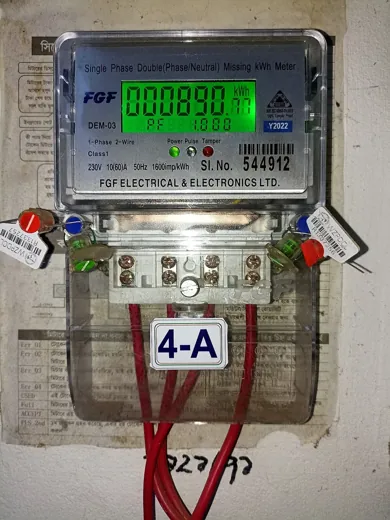
Watts describe the rate at which a device uses power at a moment; kilowatt-hours describe energy accumulated over time. Understanding the distinction makes appliance labels and electricity bills easier to interpret.
Find likely leaks by looking for moving air, visible gaps and dust trails around the home’s envelope, then prioritize the locations that affect comfort. Know when a professional assessment is safer than guesswork.
A home energy audit is an assessment of how a house uses energy and where improvements may reduce waste or improve comfort. Learn what an assessment can examine, what to prepare and how to turn findings into priorities.
Shade can reduce solar output, but its effect depends on timing, location and array design. Learn how to assess a roof, compare mitigation options and avoid treating every shaded site alike.
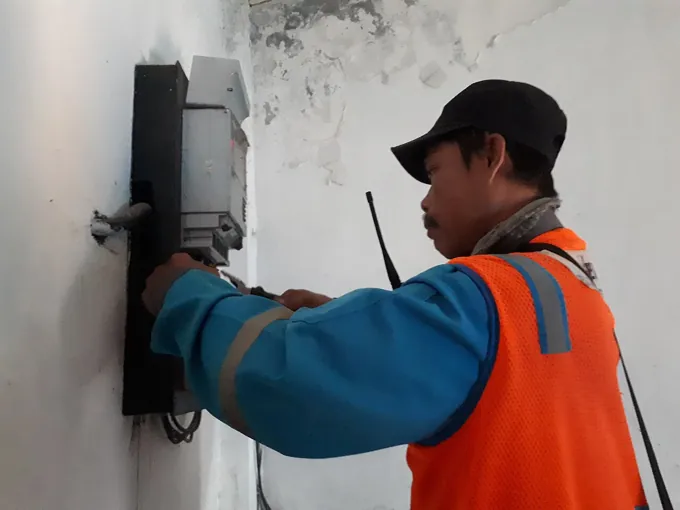
An electricity bill combines measured energy use with the billing period, rate and other charges. Learn to find kilowatt-hours, understand the arithmetic behind a charge, and compare bills without mistaking seasonal changes for a rate change.
A beginner's guide to deciding whether rooftop solar merits a closer look, from the roof and household load to system proposals, shading and the distinction between panels and batteries.
Air-source and ground-source heat pumps move heat using different outdoor sources. Compare their site requirements, installation scope and practical trade-offs before deciding which system deserves a home assessment.
Fans move air and can make people feel cooler, but they do not remove heat from a room. Air conditioning lowers indoor temperature; choose based on outdoor conditions, comfort needs and whether cooling the space is necessary.
Embodied carbon comes from making and installing a home’s materials; operational carbon comes from running it. Understanding both helps homeowners compare upgrades over a building’s life without treating one measure as the whole climate picture.
Efficient cooking usually means matching the appliance and cookware to the meal, using lids and residual heat where appropriate, and avoiding unnecessary preheating. Your best option depends on equipment, food and cooking time.
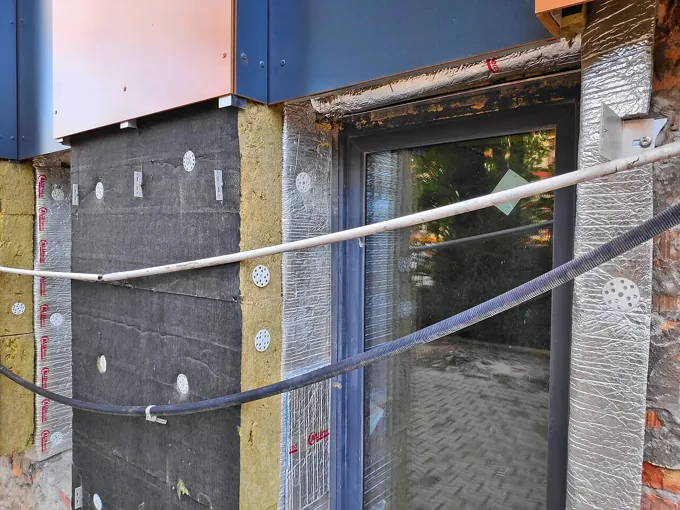
Insulation slows heat transfer through a home's walls, roof, floors and other boundaries, helping indoor spaces stay closer to their intended temperature. Its performance depends on coverage, installation and how well air leaks are managed.
 tree day