tree day
Guide
LED vs incandescent bulbs?
LEDs generally use less electricity to produce light than incandescent bulbs, which make more heat as they operate. Compare the bulb’s output, fit and use pattern before replacing lamps throughout a home.
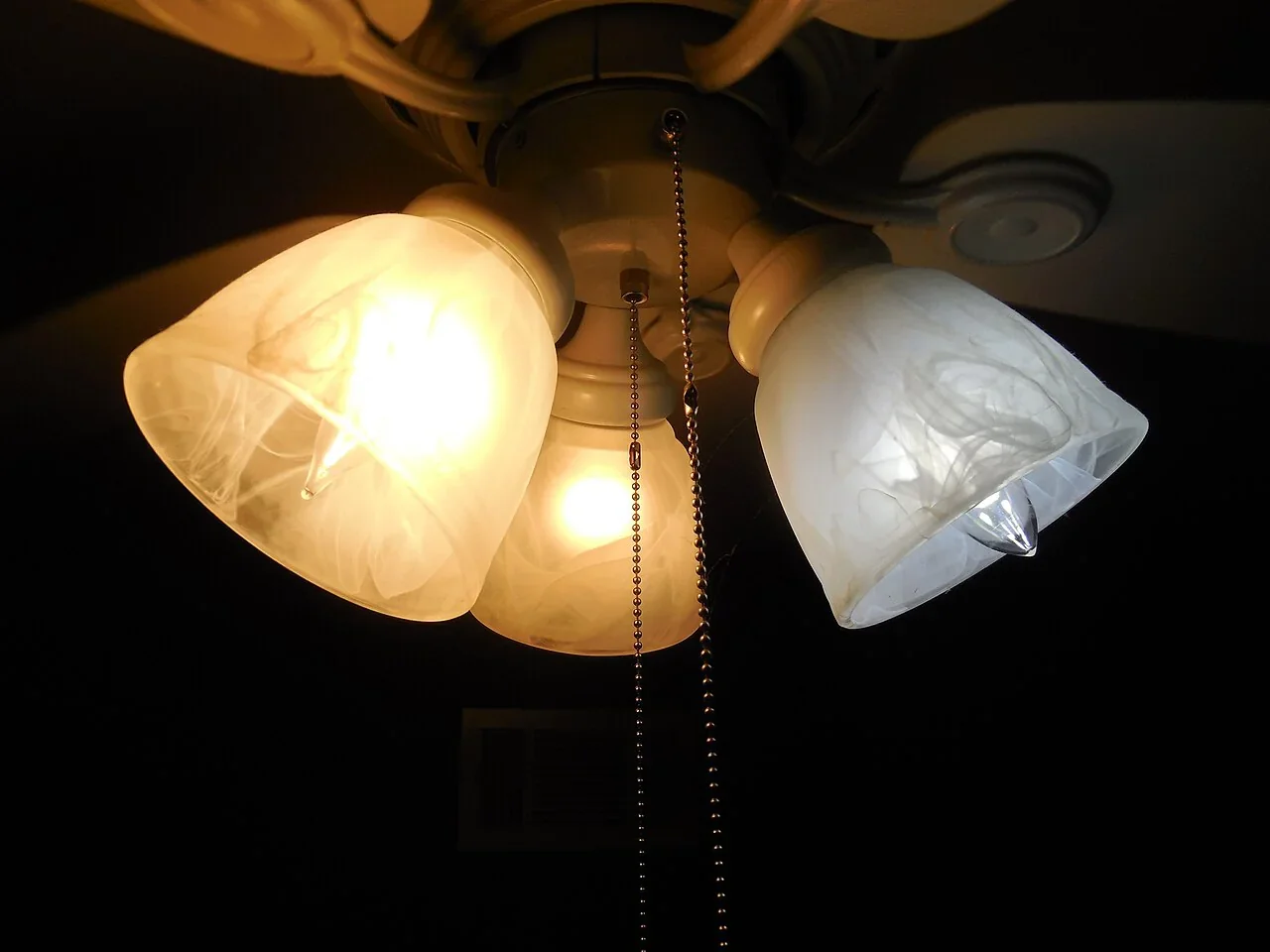
For a light used every evening, an LED is usually the more energy-efficient choice than an incandescent bulb. The comparison is simple in principle: both provide light, but an incandescent bulb also releases much of its input energy as heat. Still, the best replacement depends on whether the LED gives the brightness, color and physical fit you want in that particular fixture.
Compare light output, not just the watt number
Watts measure electrical power, not brightness. An LED can provide similar light while drawing less power than an incandescent, so matching bulbs by wattage alone can leave a room too bright or too dim. Check the package for light output and use the old bulb’s appearance as a reference.
For instance, a hypothetical reading lamp used for an hour most nights may benefit from a warm-toned LED with comparable brightness. A decorative fixture used briefly may offer a smaller practical opportunity. The replacement should serve the task; efficiency does not help if the light is uncomfortable and gets switched off.
Heat is part of the difference
An incandescent filament glows when heated, so much of the electricity ends up as heat rather than visible light. LEDs make light through a different process and use less electricity for comparable illumination. That difference can matter in rooms where lights are on for long periods, and it can matter less for a bulb switched on only briefly.
ENERGY STAR highlights efficient products as one avenue for reducing household energy use [1]. That broad guidance supports considering efficient lighting, but it does not tell you how much a particular bulb will save; use, local electricity rates and the bulb’s actual power determine that.
Check whether the bulb fits the real fixture
Before buying, check the base type, bulb dimensions, fixture enclosure and any dimmer. Some LEDs are not designed for enclosed fixtures or older dimmers, and an incompatible pairing can flicker, buzz or fail early. Follow the product label rather than assuming every LED works everywhere.
Color also changes the feel of a room. A warm white may suit a bedroom or living room, while a cooler tone can feel sharper at a work surface. If you are unsure, replace one frequently used bulb first and live with it for a few evenings before choosing the rest.
Use an example to estimate the difference
Suppose, purely as an example, an incandescent bulb draws 60 watts and a replacement LED draws 9 watts. If each runs for 3 hours a day, the difference is 51 watts multiplied by 3 hours, or 153 watt-hours daily. Over 30 days, that is about 4.6 kilowatt-hours. This is an illustrative calculation, not a claim about a specific product or bill.
If the light is on only 10 minutes a day, the same watt difference yields far less energy saved. That is why replacing the bulbs used longest tends to be a clearer first step than swapping every bulb at once.
Replace in a way that suits the household
The trade-off is upfront cost and light quality: LEDs vary in price, dimming behavior and color, while a working incandescent may still meet a low-use need. Replacing bulbs as they burn out can spread the cost; prioritizing high-use lamps makes the change more immediate. Keep any removed bulbs out of household recycling unless local guidance specifically accepts that bulb type.
Start with one lamp used for several hours most days. Check its label and dimmer, choose an LED with suitable brightness and color, and compare how it performs before deciding whether to replace other fixtures.
Follow the evidence
Primary sources used in this story. Practical examples are illustrative unless a source states otherwise.
Read our editorial standards. Have a correction? Identify the article and relevant source in your feedback to the site owner.