tree day
Guide
Ceiling fans vs air conditioning?
Fans move air and can make people feel cooler, but they do not remove heat from a room. Air conditioning lowers indoor temperature; choose based on outdoor conditions, comfort needs and whether cooling the space is necessary.
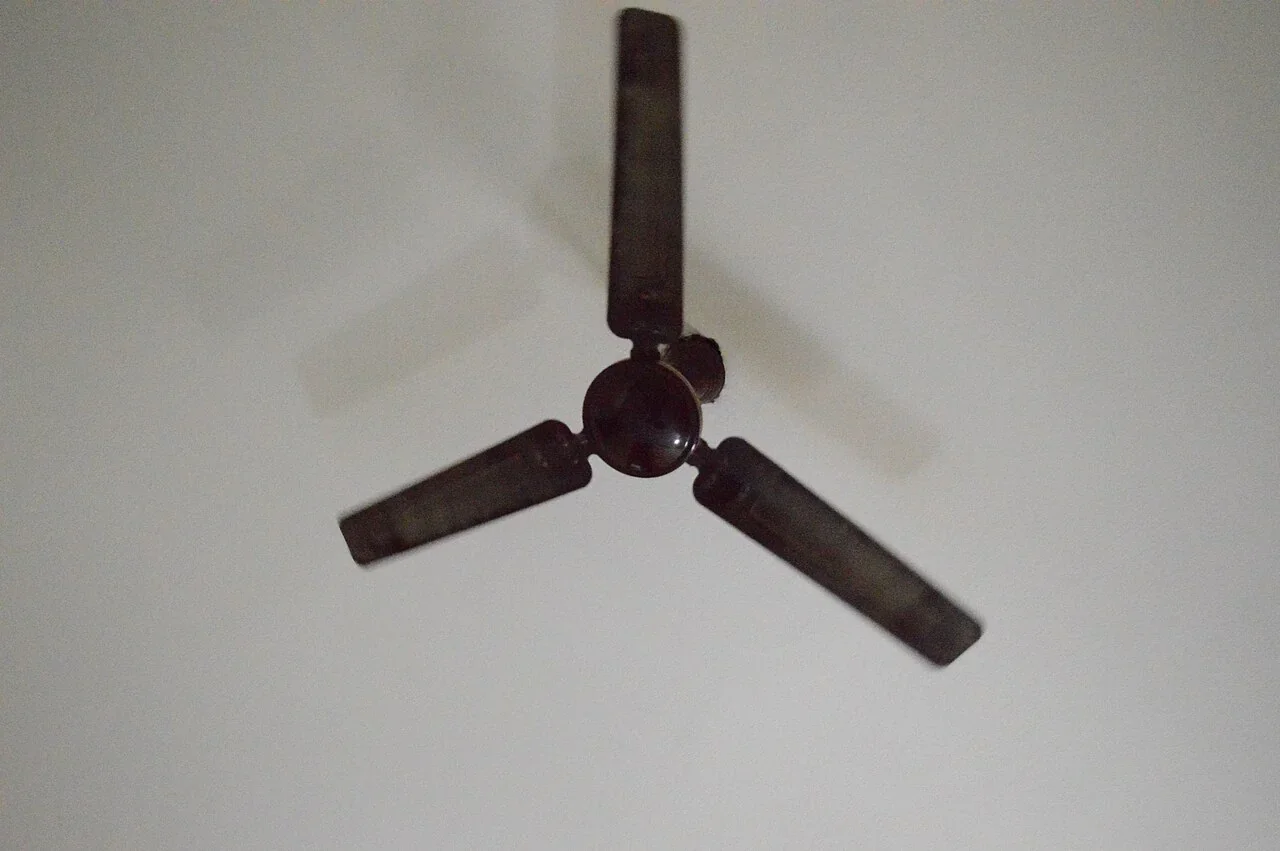
A ceiling fan can make a person feel cooler by moving air across the skin, but it does not lower the room’s air temperature. Air conditioning removes heat from indoor air and can provide relief when a fan is not enough. The choice depends on whether you need a breeze for occupants or a cooler room, and on how hot and humid conditions become.
What a fan changes
Air movement helps sweat evaporate and carries away the thin layer of warmed air near the skin. That can improve comfort for someone in the room, even though the room itself may remain just as warm. A fan is useful when people are present and the moving air feels pleasant.
Because a fan conditions the person rather than the room, there is little benefit to running it in an empty space. Turn it off when you leave, and use the direction and settings recommended by the manufacturer for the specific model. Fans do not dehumidify or filter the air unless the unit has separate functions designed to do so.
What air conditioning adds
Air conditioning moves heat out of the indoor space, lowering air temperature; many systems also remove some moisture as they cool. This can make a substantial difference during hot weather, but the system must be sized and maintained for the home, and cooling every room equally may not be necessary.
ENERGY STAR notes that heating and cooling account for a large share of household energy use and identifies efficient equipment and home improvements as ways to improve comfort. [1] The practical implication is to consider the building as well as the appliance: leaks, insulation and duct condition can affect how well cooling reaches occupied rooms.
A fan and air conditioning can work together
A fan can help distribute conditioned air or let occupants feel comfortable at a somewhat warmer thermostat setting, depending on the room and personal preference. That may reduce the need to cool every area as much, but the benefit is not automatic: a fan pointed away from people or left running in an empty room simply adds electrical use and motor heat.
For a hypothetical upstairs bedroom, a fan might help a person sleep when the room is mildly warm. If the room stays dangerously hot or humidity makes it hard to cool down, air conditioning or another safe cooling option is more appropriate. A fan should not be treated as a substitute for cooling during severe heat.
Use comfort and safety to decide
Choose a fan when the room temperature is acceptable and you mainly want air movement. Choose air conditioning when lowering the indoor temperature is needed, especially during sustained hot conditions. A fan can still complement cooling, but it cannot protect someone from extreme indoor heat on its own.
Indoor conditions, health vulnerability and local weather all affect the decision. Follow official local heat guidance during emergencies, and use a cooler location if the home becomes unsafe. Avoid relying on an assumed temperature threshold: heat risk depends on more than one reading, and official advice can reflect local conditions.
Improve the room before adding more runtime
If cooling runs constantly or one room remains uncomfortable, look for heat entering through sunny windows, leaks, weak insulation or duct problems. ENERGY STAR identifies sealing air leaks, adding insulation and improving heating, cooling and ventilation systems among home energy projects. [2] Shading windows can reduce direct solar gain, while an assessment can help determine whether equipment or distribution needs attention.
A sensible next step is to compare the room’s comfort with the fan on and off while people are present, then check whether the actual air temperature remains too high. If it does, consider cooling capacity and building performance rather than expecting more fan speed to solve a heat problem.
Follow the evidence
Primary sources used in this story. Practical examples are illustrative unless a source states otherwise.
Read our editorial standards. Have a correction? Identify the article and relevant source in your feedback to the site owner.