tree day
Guide
How does a heat pump work?
A heat pump moves heat instead of making it through combustion. Learn how its indoor and outdoor parts work, why insulation and system sizing matter, and what to ask before considering one for a home.
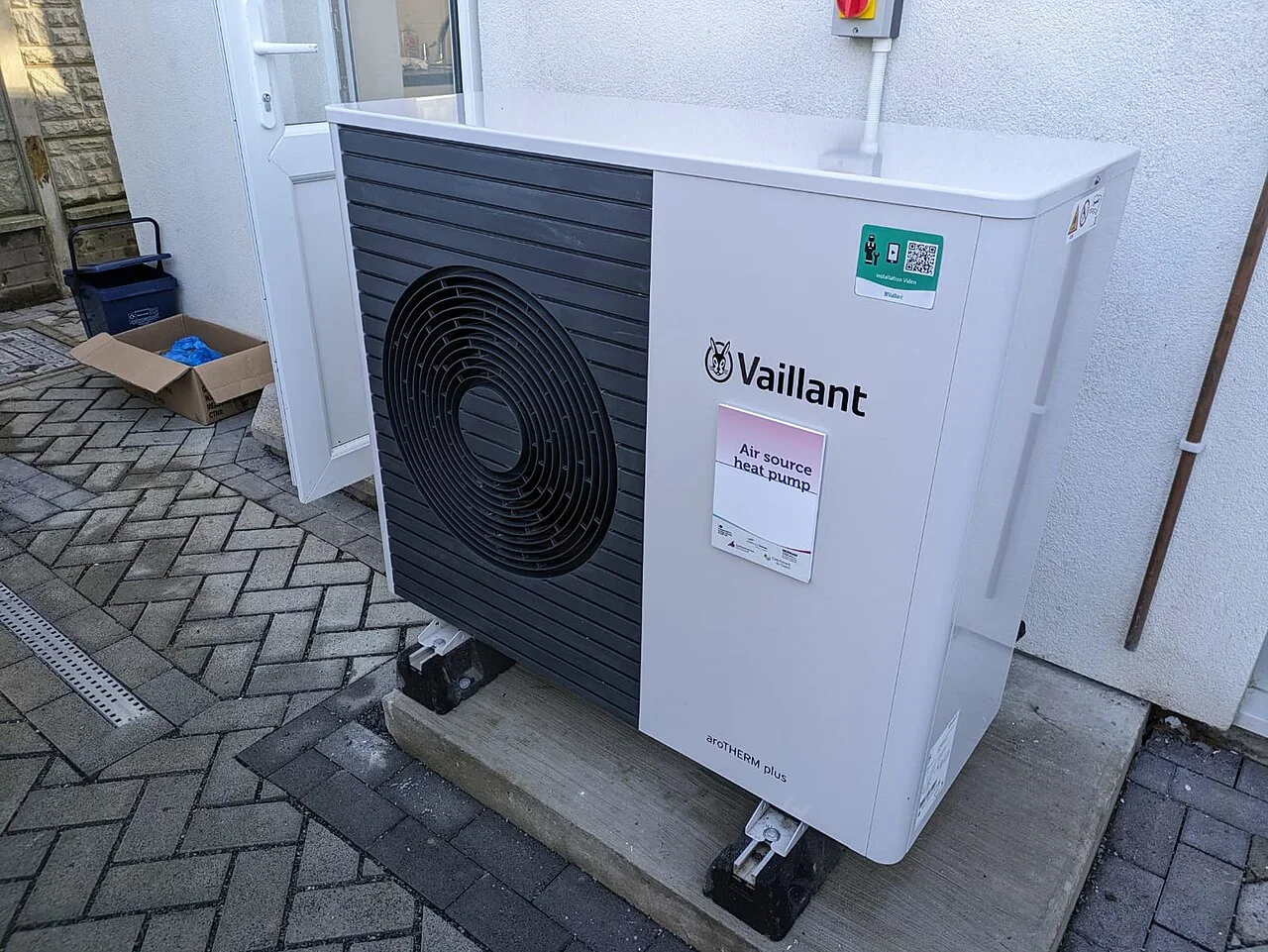
A heat pump warms a home by moving heat from outdoors to indoors, even when the outdoor air feels cold. In cooling mode, it reverses direction and carries indoor heat outside. The key idea is that it uses electricity to move thermal energy rather than producing all of its heat directly. That distinction explains both its appeal and why the details of a particular home matter.
The heat moves in a loop
A heat pump has a circulating refrigerant, a fluid chosen to change between liquid and gas under controlled conditions. In heating mode, the outdoor coil lets the refrigerant absorb heat from the surrounding air. A compressor raises the refrigerant’s pressure and temperature, and the indoor coil releases that heat into the home. A valve changes the direction of the cycle for cooling: the indoor coil absorbs heat, and the outdoor coil releases it. [4]
This is a transfer process, not a claim that cold air contains no heat. The colder the source air, the harder the equipment may have to work to draw useful heat from it. Specific performance depends on equipment design, outdoor conditions and how the system is installed; a general description cannot predict a home's energy use. ENERGY STAR lists air-source heat pumps among home efficiency options, while also emphasizing efficient heating and cooling as part of a broader home-improvement approach [1].
Where the heat goes inside
Some systems send conditioned air through ducts; others use indoor units to serve separate rooms or zones. The choice affects how air reaches rooms, how controls are arranged and whether existing ductwork can be used. A contractor should check the home rather than assume that a familiar furnace layout will transfer directly to a heat pump.
A heat pump also needs a path for air to pass through its coils. Indoor filters and outdoor equipment need the maintenance described by the manufacturer, and a blocked or neglected system cannot be expected to work as intended. For a homeowner, the useful question is not simply whether a heat pump can heat a house, but how the proposed system will deliver heat to the rooms people occupy.
Why the building envelope matters
Heat continually escapes through leaky or poorly insulated parts of a home in cold weather, and unwanted heat enters in warm weather. That means the heating and cooling system must respond to the building as well as to the thermostat. ENERGY STAR identifies air sealing and insulation as important steps for comfort and energy performance, and notes that sealing leaks can also help address drafts and humidity control [2].
Consider a hypothetical drafty bedroom that stays uncomfortable while the living room is warm. Increasing equipment size may not fix air escaping around attic penetrations or a poorly sealed window trim. Finding and addressing the source of the draft could make the room more comfortable and reduce the load the system faces. The best sequence depends on the home; a home assessment can help sort out envelope issues, duct problems and equipment needs [3].
What to ask before choosing one
Ask a qualified contractor how the proposed equipment was selected for the home, which rooms it serves, whether existing ducts are suitable, and how it will operate in the local climate. Ask how the system handles both heating and cooling, what maintenance is expected, and how controls will work in rooms with different needs. Estimates that describe the equipment but say little about installation or room coverage leave important questions unanswered.
A common mistake is comparing equipment labels or headline efficiency claims without comparing the whole installation. A well-matched system depends on the building, distribution method and local conditions. ENERGY STAR recommends considering heating, cooling and ventilation improvements alongside sealing and insulation rather than treating a replacement appliance as the only home-energy decision [3].
Follow the evidence
Primary sources used in this story. Practical examples are illustrative unless a source states otherwise.
- ENERGY STAR: Energy savings at home ↗
- ENERGY STAR: Why seal and insulate? ↗
- ENERGY STAR: Home energy improvements ↗
- ENERGY STAR: Air-source heat pumps ↗
Read our editorial standards. Have a correction? Identify the article and relevant source in your feedback to the site owner.