tree day
Guide
Embodied carbon vs operational carbon?
Embodied carbon comes from making and installing a home’s materials; operational carbon comes from running it. Understanding both helps homeowners compare upgrades over a building’s life without treating one measure as the whole climate picture.
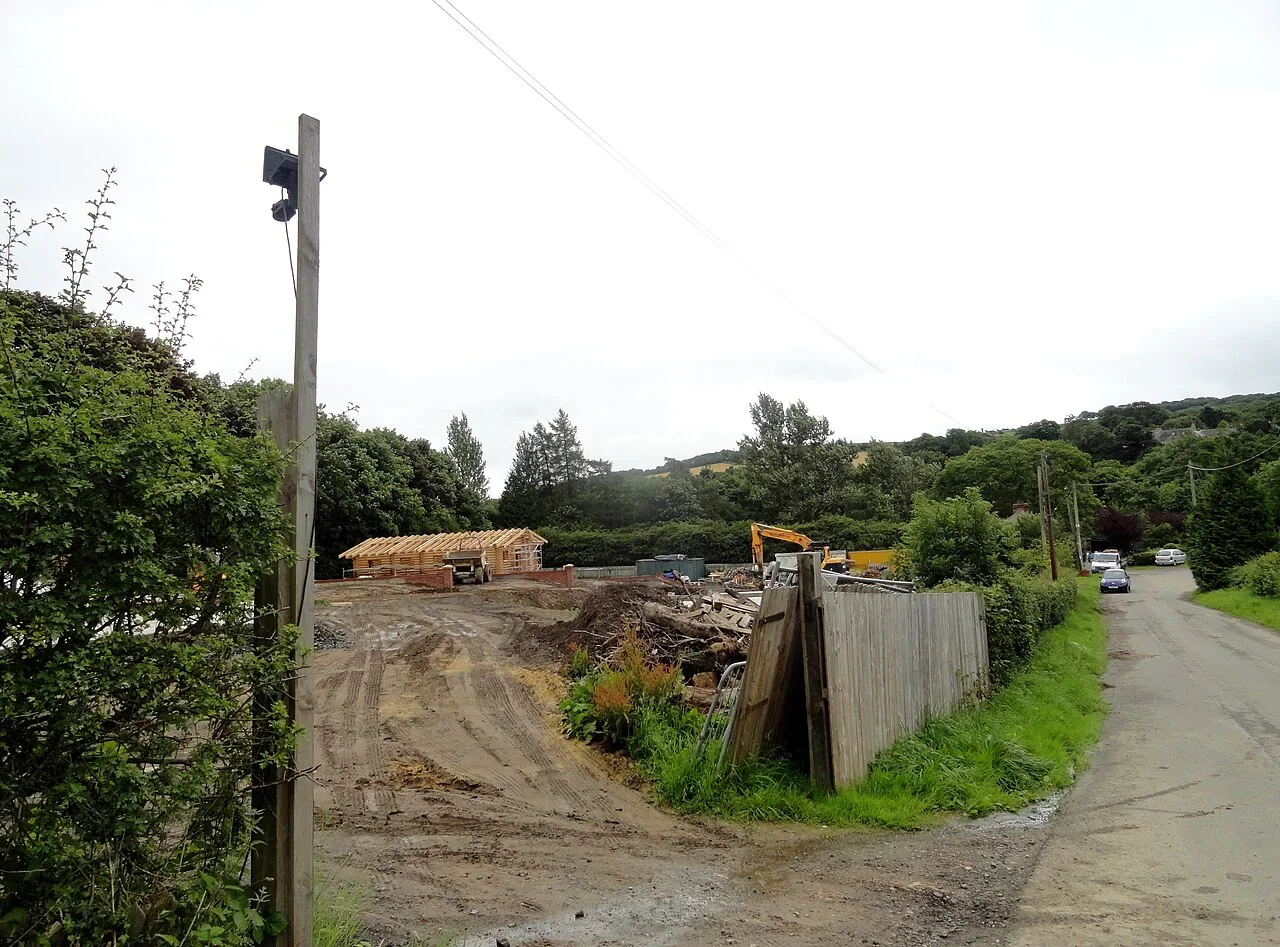
A new heat pump can reduce the emissions from heating a home, but manufacturing and installing it also has an environmental cost. That difference is the heart of embodied carbon versus operational carbon. Embodied emissions happen before and during construction, renovation, or replacement; operational emissions arise as the home uses energy over time. The distinction helps explain why a sensible upgrade is rarely judged by one number alone.
Two ledgers, different time scales
Embodied carbon is the greenhouse gas emissions associated with materials and building work: extracting raw materials, manufacturing products, transporting them, installing them, and eventually managing them when they are removed. A window, a bag of insulation, a furnace, and a replacement roof each carry some emissions before they do any work in the home. The total depends on what was made, how, and where; a label such as “efficient” does not by itself tell you the embodied impact.
Operational carbon is tied to energy used while the building is occupied: heating, cooling, lighting, appliances, and other equipment. The emissions depend partly on how much energy the home uses and partly on the energy sources supplying it. ENERGY STAR describes sealing and insulating as ways to improve efficiency and comfort, and notes that heating and cooling account for as much as half of household energy use in some homes. [1] [2] That makes operation an important part of the ledger, but not the only part.
Why an efficiency upgrade can be worthwhile
Suppose a homeowner replaces an old, inefficient heating system. The new equipment has embodied emissions from its components and installation. In return, if it uses less energy to keep the same rooms comfortable, it may reduce operational emissions year after year. Whether and when that reduction outweighs the upfront impact depends on the existing system, climate, household use, electricity or fuel mix, equipment performance, and how long the equipment lasts. Without those details, a precise payback year would be invented precision.
The same logic applies to insulation and air sealing. ENERGY STAR describes these as important early steps in improving home energy efficiency and comfort. [3] A well-sealed, insulated home can need less heating or cooling, which may lower operating energy. But installation still uses materials and labor, and poorly chosen or installed work can create new problems. The useful comparison is not “materials are bad” versus “efficiency is good”; it is the expected whole-life effect of a specific project in a specific house.
Start with what is already there
Before replacing a component, ask whether it can be repaired, adjusted, or kept working safely and effectively. Extending the useful life of sound materials avoids the need to manufacture a replacement immediately. If a major upgrade is needed, consider the whole package: air leaks, insulation, ducts, heating and cooling equipment, and the home’s actual comfort complaints. ENERGY STAR’s home improvement guidance lists sealing leaks and adding insulation among critical first steps, alongside duct and system improvements. [3]
Imagine, hypothetically, a drafty house where one room is uncomfortable. Installing a larger heating unit might address the symptom while leaving leaks and uneven air distribution untouched. A home assessment could instead identify leakage or duct issues first, so a future system is sized around a better-performing building. That sequence can avoid unnecessary equipment capacity and reduce wasted energy. The example is a reasoning tool, not a guarantee: a contractor’s assessment should account for local climate, building condition, and ventilation needs.
A practical way to compare choices
For a decision, write down the expected service life, the materials or equipment being added, the energy use likely to change, and what happens to the old component. Then compare plausible alternatives: repair, targeted improvement, or full replacement. If reliable product life-cycle information is available, use it consistently across options. If it is not, be transparent about uncertainty rather than treating an unavailable number as zero.
A common mistake is to focus only on a product’s operating efficiency rating or only on the embodied impact of making it. Either can hide important context. A very efficient replacement may make sense when an old system is failing or consuming substantial energy; keeping an obsolete, wasteful system indefinitely just to avoid manufacturing emissions may not. Conversely, replacing a working component early for a small efficiency gain can make the embodied cost harder to justify. The next choice is to identify the home’s largest, verified comfort or energy problem and compare repair and upgrade options over the time you expect to use them.
Follow the evidence
Primary sources used in this story. Practical examples are illustrative unless a source states otherwise.
- ENERGY STAR: Energy savings at home ↗
- ENERGY STAR: Why seal and insulate? ↗
- ENERGY STAR: Home energy improvements ↗
Read our editorial standards. Have a correction? Identify the article and relevant source in your feedback to the site owner.