tree day
Guide
Solar panels and shade?
Shade can reduce solar output, but its effect depends on timing, location and array design. Learn how to assess a roof, compare mitigation options and avoid treating every shaded site alike.
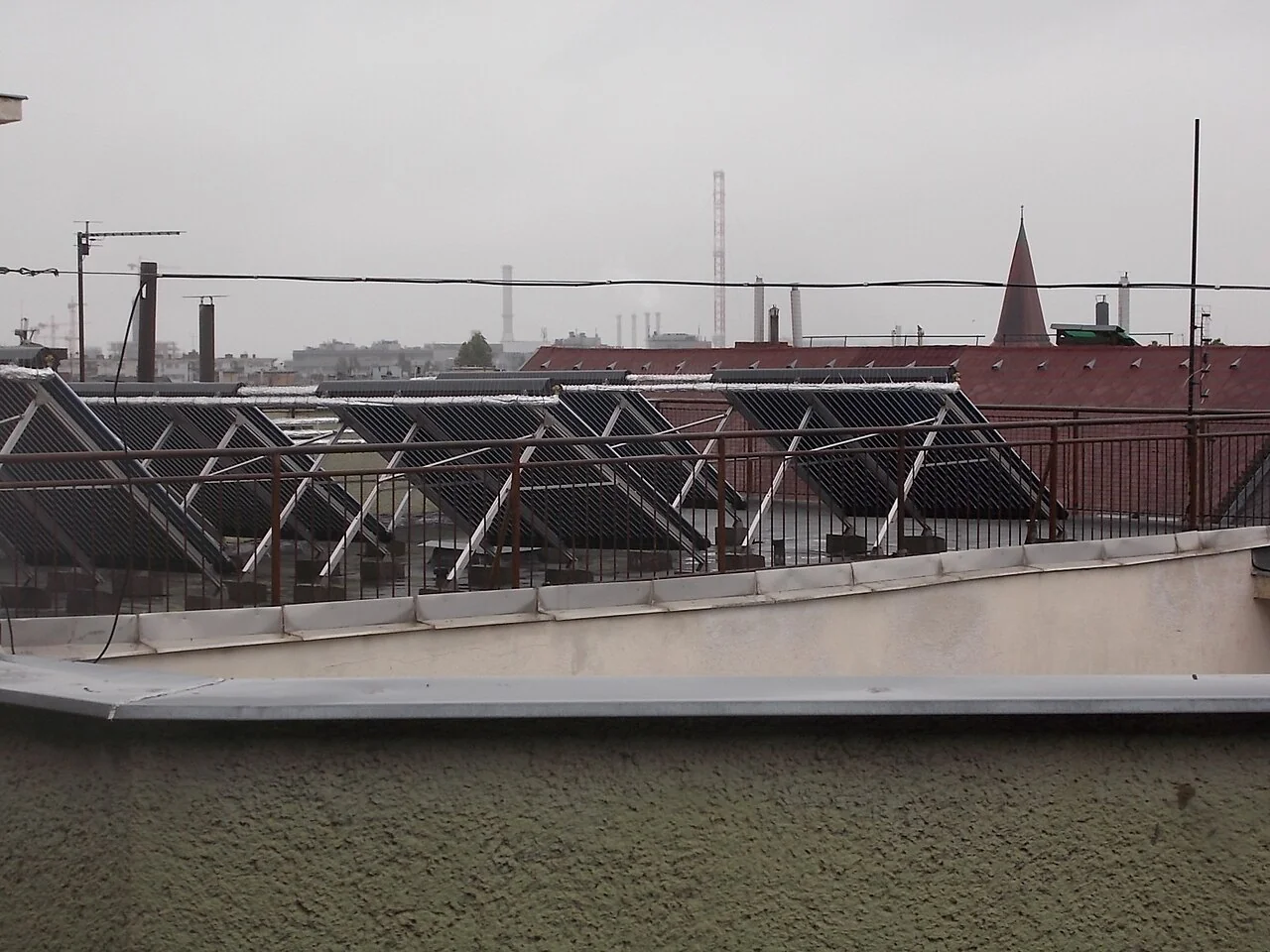
Shade does not automatically rule out solar panels, but it does change the light reaching an array and can reduce its electricity production. The useful next step is to find out when and where shadows fall, then ask how a proposed design accounts for them. A tree, chimney or neighboring building is a site condition to measure, not a verdict on its own.
Map the shadow, not just the obstacle
Notice which parts of the roof receive shade at different times and seasons. A chimney may cast a narrow shadow in one part of the day; a tree may shade a larger area as the sun moves. A quick look from the ground is only a starting point. An installer can evaluate the roof and explain what assumptions about shade were used in the production estimate. [2]
The amount of lost output depends on the array layout and electrical design as well as the shade pattern. A small obstruction affecting one part of a system is not necessarily equivalent to a large shadow covering much of it. Ask for an explanation tied to the roof plan rather than a generic statement that panels “work in shade” or that any shade makes installation pointless. ENERGY STAR identifies solar panels as one possible renewable-energy improvement, but does not set a universal shade threshold for homes [1].
Design can respond to partial shade
Installers can consider panel placement and system design to manage differences in light across an array. The relevant options depend on the equipment and roof; ask what is included in the proposal and how the approach changes if some modules are shaded. A useful comparison shows the layout and its production assumptions, rather than relying on a broad equipment claim.
For a hypothetical roof with a clear southern section and a chimney shadow near one edge, a proposal could compare placing panels away from the shadow with a layout that uses the available roof more fully. The owner can then weigh estimated production, installed capacity, roof constraints and cost. This example illustrates a question to ask; it does not predict the performance of any particular system.
Trees bring a separate decision
A nearby tree may provide shade and other benefits while also limiting sunlight on a roof. Before considering any change to vegetation, understand what is actually shading the array and whether a layout adjustment could address it. Tree work can affect the plant and neighboring property, so a solar project is not a reason to make unsupported pruning decisions. Seek advice suited to the species and local conditions if tree care is under consideration.
It is also possible that shade varies by season: deciduous trees and evergreen trees behave differently, and a shadow’s path changes over the year. A single observation cannot describe all of that. Ask the installer which seasons and hours their assessment represents and whether their estimate accounts for nearby vegetation growth.
Read the assumptions in the estimate
A production estimate should make its assumptions understandable: the roof layout, shade observations, equipment, and expected conditions. Ask how the system is expected to perform when part of the array is shaded, and what information would change the estimate. Compare competing proposals on the same roof and load assumptions so the equipment and design differences are visible.
A common mistake is to compare only panel count. More panels in a shaded section may not deliver the same practical value as fewer panels in a better-lit area, and the right answer depends on the specific system and site. Household electricity use also matters; ENERGY STAR recommends considering energy-efficiency improvements alongside a renewable-energy installation [1].
Follow the evidence
Primary sources used in this story. Practical examples are illustrative unless a source states otherwise.
- ENERGY STAR: Home energy improvements ↗
- US Department of Energy: Solar photovoltaic system design basics ↗
Read our editorial standards. Have a correction? Identify the article and relevant source in your feedback to the site owner.