tree day
Guide
How does home insulation work?
Insulation slows heat transfer through a home's walls, roof, floors and other boundaries, helping indoor spaces stay closer to their intended temperature. Its performance depends on coverage, installation and how well air leaks are managed.
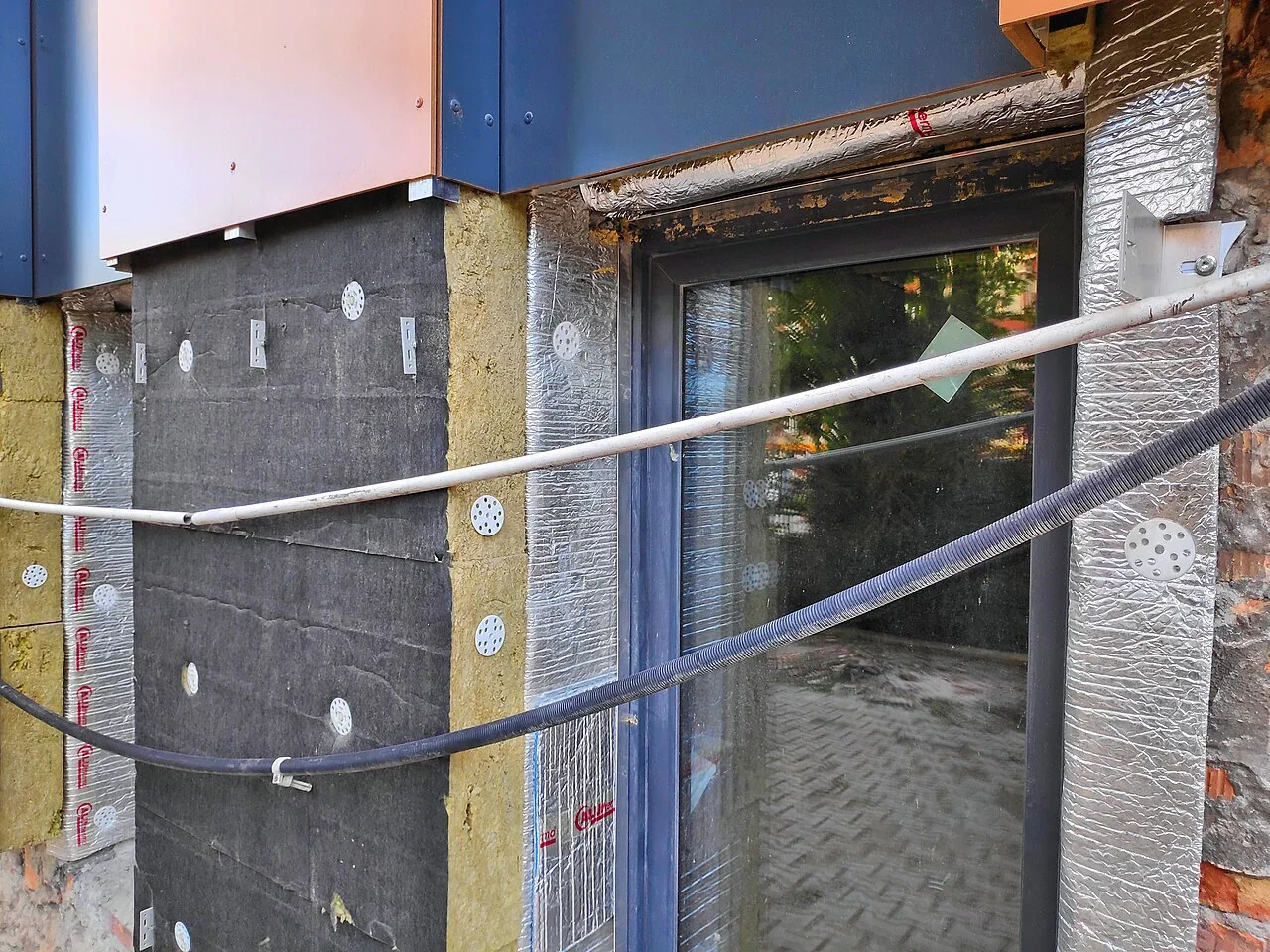
Home insulation works by slowing heat moving through the building shell. In cold weather it reduces heat escaping from indoors; in hot weather it slows outdoor heat entering. It is most effective as part of a well-considered envelope, because gaps can still let air move and carry heat around insulated areas. [1]
Heat moves through materials and air
Heat naturally moves from warmer areas toward cooler ones. It can pass through solid materials, move with air leaking through gaps, or travel by radiation between surfaces. Insulation is designed to resist heat flow through the parts of the building it covers. It does not create heat or coolness; it helps the heating or cooling system maintain indoor conditions with less heat transfer.
Air sealing addresses a related but different pathway. A layer of insulation can slow conduction through a wall or ceiling, while gaps around openings and joints may still allow drafts. ENERGY STAR describes sealing and insulating together as ways to improve efficiency and comfort. [1] The materials and details that work depend on the building and climate.
Coverage and installation matter
Insulation performs best when installed with suitable coverage and attention to gaps, compression and obstructions. A small uncovered area can become a weak point, and installation around wiring, vents or equipment can require care. The appropriate product and location depend on the assembly; adding material without understanding existing conditions can trap moisture or interfere with ventilation.
A hypothetical example: if a bedroom above an uninsulated attic is uncomfortable in winter, improving the attic floor's insulation might help slow heat loss. But air leakage through the ceiling, duct issues or another building condition could also contribute. A site assessment can identify which pathway matters and what work is safe and compatible.
Insulation and air sealing work together
When outdoor air enters through cracks, it can bring heat, cold and moisture with it. Sealing appropriate leaks can reduce drafts and the load on heating or cooling. Insulation then slows heat transfer through the remaining building surfaces. ENERGY STAR identifies air sealing and insulation as important home improvements, while noting benefits such as increased comfort. [1] This does not mean every opening should be sealed; homes need planned ventilation, and some openings serve safety or equipment needs.
A common mistake is to treat insulation as a substitute for fixing a leak or to cover an attic vent. Another is to assume a colder room proves that its wall lacks insulation. Drafts, window conditions, shading, ducts and system balance may all affect comfort. Diagnosis helps avoid adding material where it will not address the problem.
Comfort is part of the result
Because insulation slows heat flow, indoor temperatures may change more gradually when outdoor conditions shift. That can make rooms feel more stable and may reduce how hard heating and cooling equipment must work. ENERGY STAR describes sealing and insulating as measures that can improve comfort and lower energy use. [1] The effect varies with the starting condition, work quality, weather, equipment and household routines.
Insulation does not guarantee identical temperatures throughout a home. Sunlight, room location, internal heat sources and airflow all matter. If one room remains uncomfortable after envelope work, check the system and ducts rather than assuming more insulation is always the answer. Good building performance comes from how the parts interact.
Decide what to inspect next
Start by noting where discomfort occurs and whether it changes with wind, time of day or season. Look for visible gaps only where it is safe, and avoid disturbing insulation around wiring, fixtures or possible hazardous materials. For work beyond basic observation, consult a qualified professional familiar with the home's construction and local climate.
If the main concern is a draft or temperature swing, ask for an assessment of both air leakage and insulation coverage. ENERGY STAR recommends considering sealing, insulation and other home improvements as part of a home performance approach. [2] Use the findings to choose the smallest project that addresses the identified heat-flow path, then reassess comfort and energy use.
Follow the evidence
Primary sources used in this story. Practical examples are illustrative unless a source states otherwise.
Read our editorial standards. Have a correction? Identify the article and relevant source in your feedback to the site owner.