Homes & energy · Guide
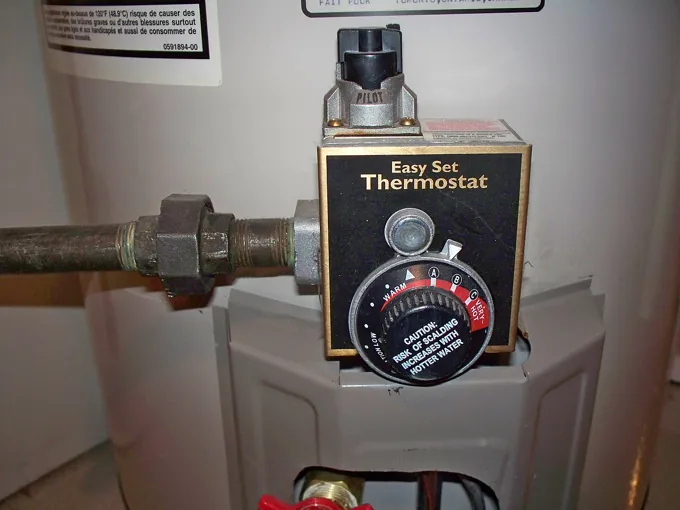
How to save hot water?
Reduce the amount of hot water you use and the heat lost between the heater and the tap. A few small changes can help; the best first step depends on where your household’s hot water goes.
 tree day.
A greener world.
A life well lived.
IDEAS TO TAKE INTO EVERYDAY LIFE
Comfortable homes that use resources thoughtfully.
32 articles
Clear filtersHomes & energy · Guide
Reduce the amount of hot water you use and the heat lost between the heater and the tap. A few small changes can help; the best first step depends on where your household’s hot water goes.
Homes & energy · Guide
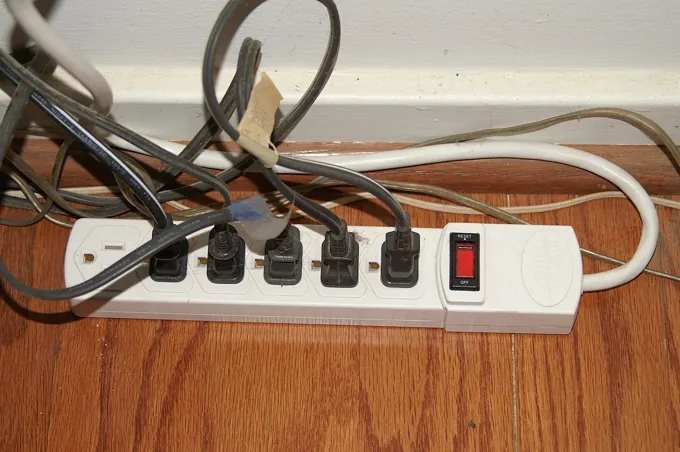
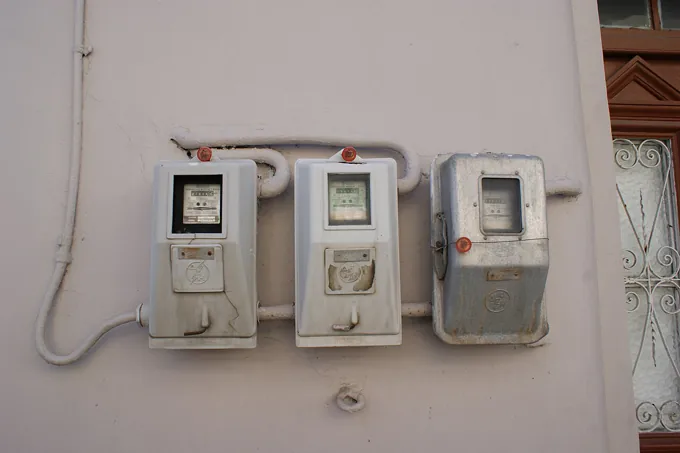
Standby power is electricity used by devices while they appear off or idle, often to keep controls, clocks or network connections ready. Whether it is worth addressing depends on what the device does and how often it is used.
Homes & energy · Guide
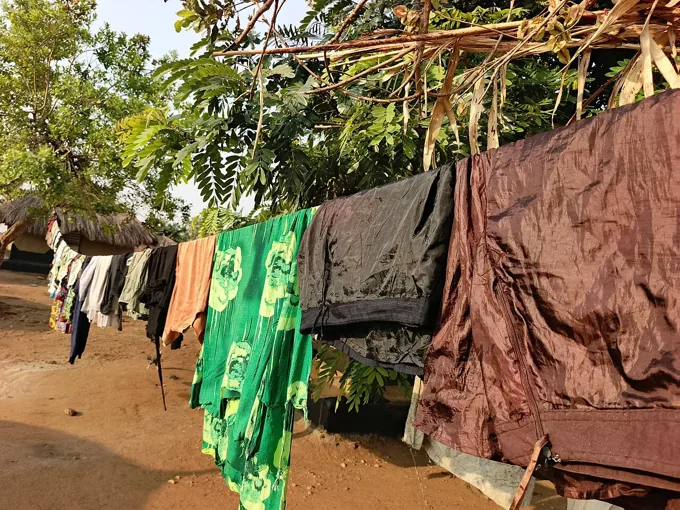
Line drying avoids running a powered dryer for that load, while a tumble dryer offers speed and predictable drying indoors. The better choice depends on weather, space, fabric care and whether damp air can be managed.
Homes & energy · Guide
Trees cool a house by blocking sunlight from roofs, walls, and windows, and by releasing water vapor from leaves. Their effect depends on placement, canopy, season, and local conditions, so plan for mature size and building needs.
Homes & energy · Guide
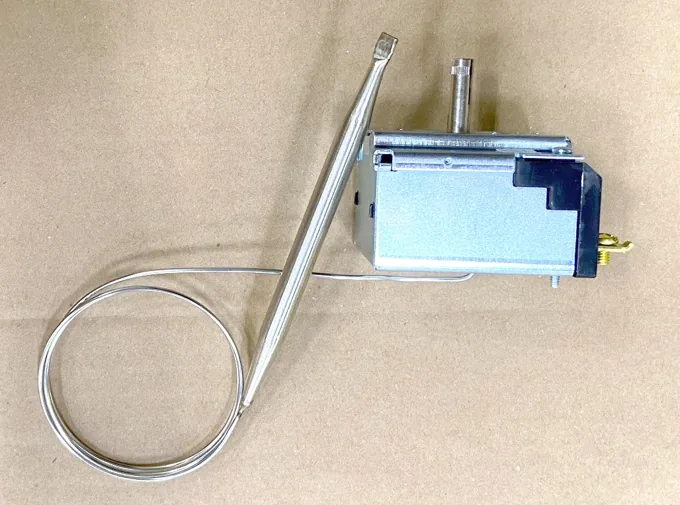
Set the thermostat for the comfort you need while people are home, and adjust it when the home is empty or asleep if that suits the system. Avoid extreme settings and account for equipment type, humidity and room differences.
Homes & energy · Guide
Renters can often reduce energy use through habits, plug-in controls and careful attention to drafts, while involving the landlord for building or equipment changes. Start with a problem you can observe and document.
Homes & energy · Guide
Plan an energy upgrade by identifying the problem, assessing the home, and prioritizing work that fits its condition and climate. A sequence matters because one improvement can affect the value or design of the next.
Homes & energy · Guide
Reduce heat entering and accumulating indoors by shading sunlit windows, limiting daytime heat gains and making use of cooler outdoor air when conditions allow. The best sequence depends on climate, humidity and the home’s layout.
Homes & energy · Guide
Estimate an appliance's energy use by converting watts to kilowatts and multiplying by the time it runs. The method works best when you account for cycling, changing settings and the difference between rated and actual power.
Homes & energy · Guide
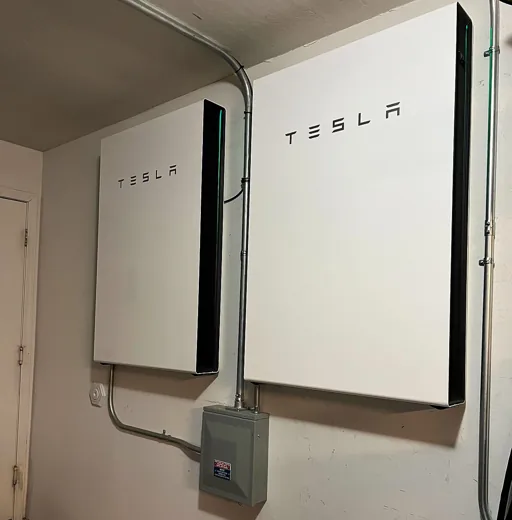
A home battery stores electricity for use later, but its value depends on what it is meant to do, system design and local utility arrangements. Learn the questions that make proposals comparable.
Homes & energy · Guide
A heat pump water heater moves heat from surrounding air into a tank of water. Learn how that differs from direct heating, what to assess in its location and what to clarify before replacement.
Homes & energy · Guide
External shading blocks sunlight before it reaches the glass, while internal blinds manage light and glare from inside. Compare window orientation, daily use, weather exposure and installation constraints before choosing.
Homes & energy · Guide
Draught proofing stops uncontrolled air movement; insulation slows heat passing through solid parts of the home. Learn which problem each solves, how to prioritize work and why the two often perform best together.
Homes & energy · Guide
Cool roofs reflect more sunlight and can reduce roof heat gain, while green roofs add a planted layer that needs structural capacity and ongoing care. The better fit depends on roof condition, climate, water, and what the building needs.