tree day
Guide
How to reduce energy use as a renter?
Renters can often reduce energy use through habits, plug-in controls and careful attention to drafts, while involving the landlord for building or equipment changes. Start with a problem you can observe and document.
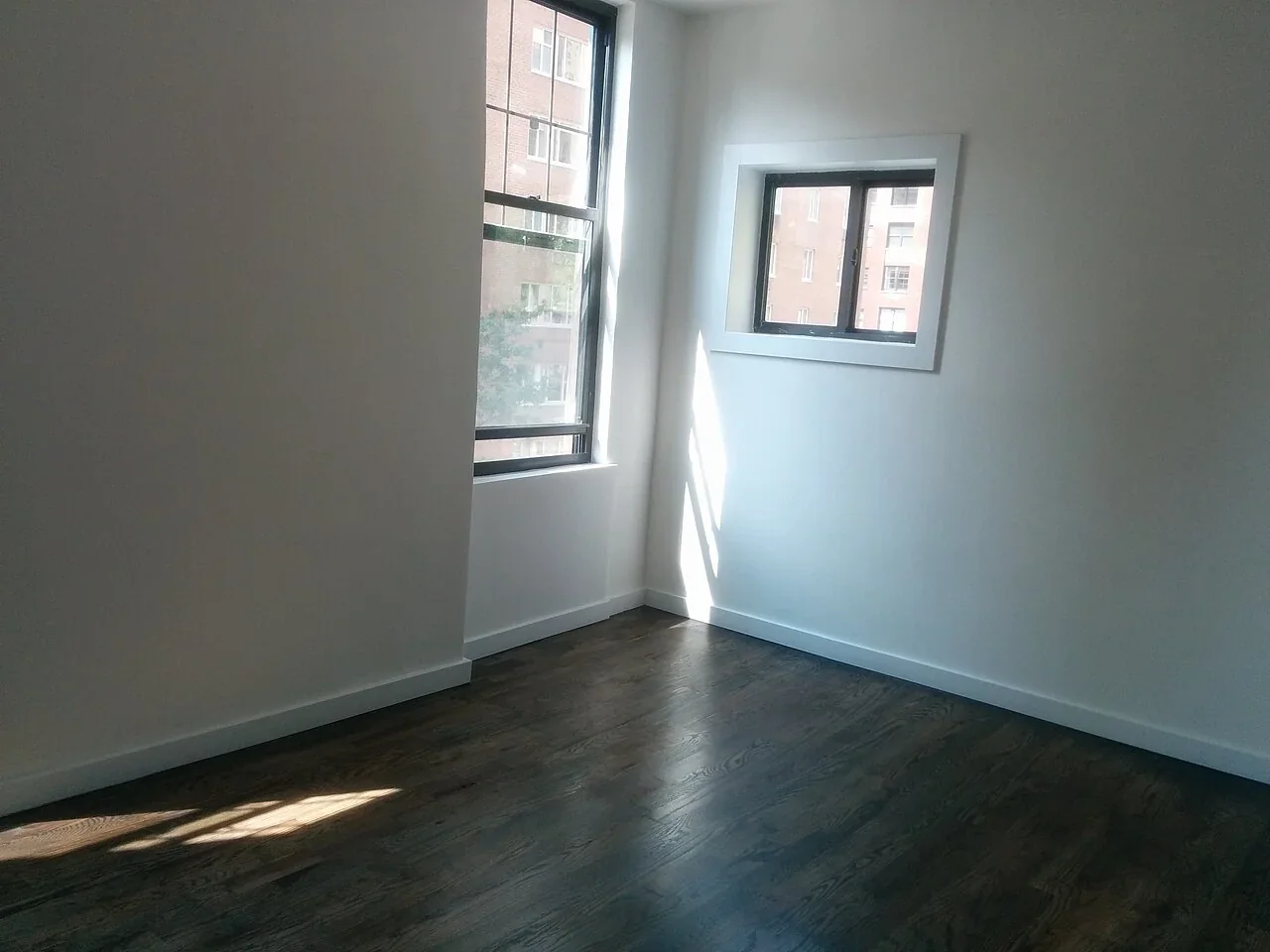
As a renter, begin with changes you control: how you use lights and appliances, whether equipment is left on, and how you manage drafts without altering the building. For repairs, insulation or replacement equipment, document the issue and ask the landlord about an approved fix. This split keeps small actions practical while recognizing that the building itself may drive much of the energy use.
Look for the source before buying anything
Notice when a room is uncomfortable or when energy use seems concentrated: a draft near a window, an always-running fan, or an old appliance supplied with the unit. Write down where and when the issue occurs. A clear observation gives you a better basis for an inexpensive adjustment or maintenance request.
Heating and cooling can account for a large share of household energy use, according to ENERGY STAR [1]. That general context suggests comfort problems deserve attention, but it does not prove that a particular renter’s bill comes from drafts or justify a specific repair without an assessment.
Choose reversible actions first
Use task lighting where it is enough, switch off equipment that does not need to stay ready, and run laundry or dishwashing when loads are full. Keep vents and radiators unobstructed. If you use a removable draft stopper or temporary window treatment, follow the product directions and avoid blocking ventilation, exits or required safety devices.
An example: if a desk area is cold while the rest of the apartment is comfortable, a renter might move the desk away from a draft and use a removable door draft stopper. That is a modest trial, not a substitute for reporting a broken window seal or malfunctioning heat.
Ask for building fixes with useful detail
Sealing and insulation can improve comfort and efficiency, but permanent work belongs in a conversation with the property owner or manager. ENERGY STAR describes air sealing and insulation as measures that can reduce drafts and improve comfort [2]. Whether a particular building needs them—and what method is appropriate—depends on its construction and conditions.
Send a concise request that names the location, the condition, when it occurs and any effect on comfort or use. Photos can help if they show a visible gap or damage. Ask whether maintenance can inspect it and what temporary steps are permitted while you wait.
Check appliances and controls you actually use
If a landlord-provided appliance seems inefficient or faulty, note its model and behavior, then ask whether maintenance can inspect it. ENERGY STAR lists efficient products and home improvements as options for households [3], but replacing a landlord’s equipment is not usually within a renter’s control. Avoid altering wiring, thermostats or plumbing without approval.
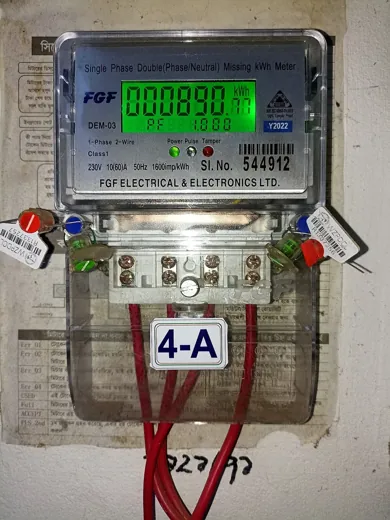
For portable devices you own, compare the function and power use before replacing them. An energy monitor may help with compatible plug-in equipment, used according to its instructions. Do not plug a high-power appliance into a device that is not rated for it.
Keep a simple record and choose one next step
The trade-off for renters is that the easiest actions may be modest, while larger gains can depend on the landlord, building rules or shared systems. Avoid buying products that promise to fix a structural problem, and check lease terms before attaching anything or changing fixtures.
Pick one controllable habit to try for a week and one building issue to document. If the issue involves heating, cooling, ventilation or a damaged fixture, make a maintenance request with the details and ask what approved remedy is available.
Follow the evidence
Primary sources used in this story. Practical examples are illustrative unless a source states otherwise.
- ENERGY STAR: Energy savings at home ↗
- ENERGY STAR: Why seal and insulate? ↗
- ENERGY STAR: Home energy improvements ↗
Read our editorial standards. Have a correction? Identify the article and relevant source in your feedback to the site owner.