tree day
Guide
Cool roofs vs green roofs?
Cool roofs reflect more sunlight and can reduce roof heat gain, while green roofs add a planted layer that needs structural capacity and ongoing care. The better fit depends on roof condition, climate, water, and what the building needs.
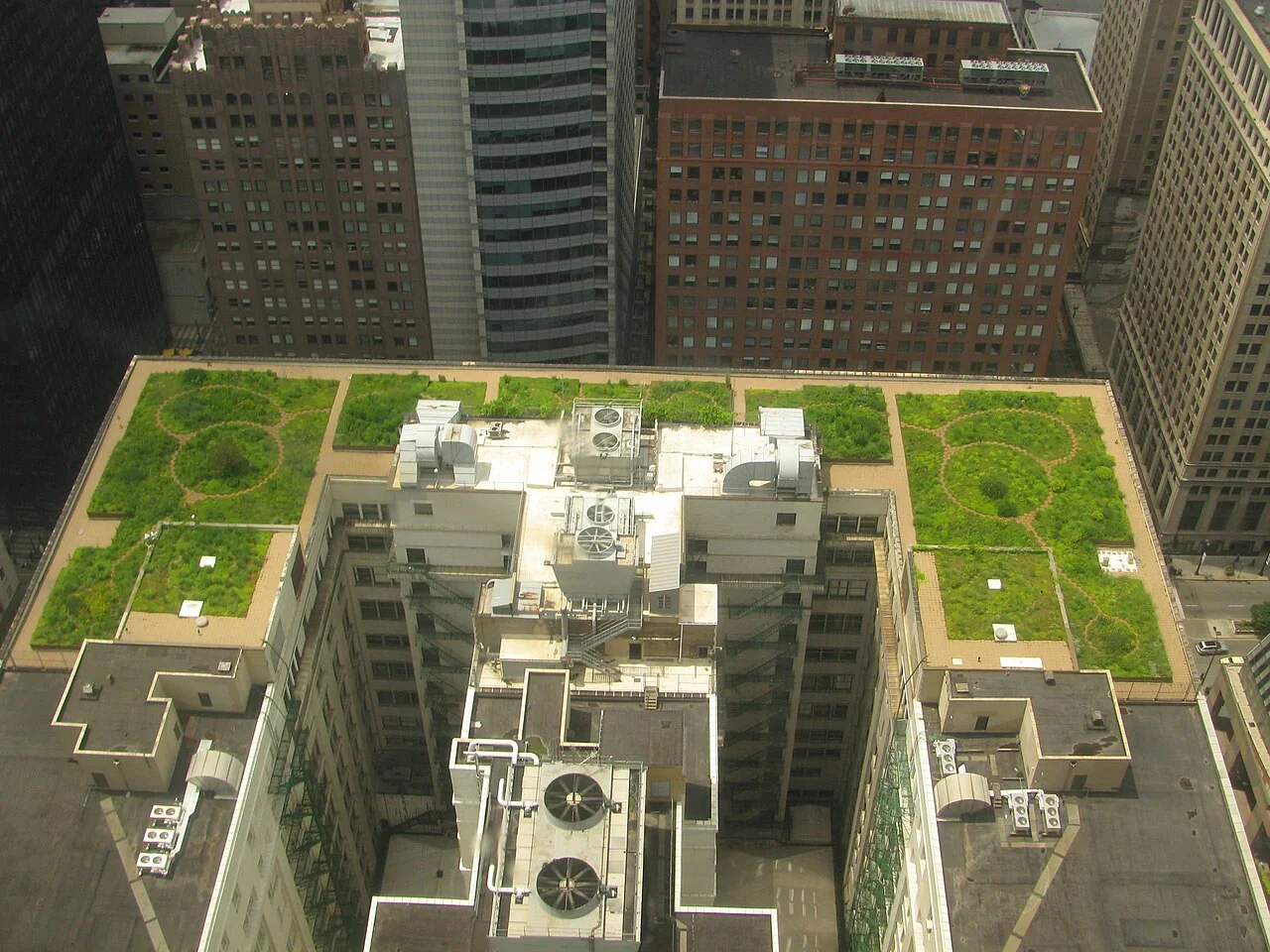
A roof that stays cooler in summer can help limit heat entering the rooms below, but there are two very different ways to pursue that goal. A cool roof uses a surface designed to reflect more sunlight; a green roof supports vegetation in a layered growing system. One is primarily a surface choice, the other a small engineered landscape. Roof condition, structure, water access, maintenance, and local climate determine which is practical.
The surface that reflects heat
A cool roof is designed to absorb less solar energy than a conventional roof surface. In practice, that can mean a reflective coating or roofing material suited to the roof type. By reflecting more sunlight, it can keep the roof surface cooler under sunny conditions and may reduce heat moving into the building. The effect on indoor comfort and energy use varies with insulation, attic ventilation, climate, shade, and air conditioning patterns; it is not a substitute for fixing major air leaks or inadequate insulation.
ENERGY STAR identifies sealing and insulating as central home efficiency measures and notes that insulation helps keep a home cooler in summer when correctly installed. [2] A reflective roof and an insulated, well-sealed ceiling address related but distinct parts of heat flow. If the attic is poorly insulated, changing the roof surface alone may leave much of the building’s heat problem intact. The first practical step is to understand whether the roof needs repair, whether the attic is insulated, and which rooms are uncomfortable.
A planted roof is a building system
A green roof places vegetation and growing medium above waterproofing and drainage layers. It can hold some rainwater temporarily, provide planted habitat, and alter the roof’s exposure to sun. Those benefits depend on the design, plant choices, local weather, and maintenance. A green roof is not simply soil and plants spread over existing shingles: added weight, drainage, root protection, access, and waterproofing all need to be addressed by qualified building professionals.
The structural question comes before the gardening question. A roof designed for a lightweight covering may not safely support wet growing medium, retained water, snow, or people working on it. Existing roofing also needs to be in suitable condition, because accessing and repairing a leak beneath a planted system is more involved. For a homeowner, this often makes a green roof a planned roof replacement or new-build feature rather than a casual retrofit.
Compare the building’s actual needs
If the main goal is reducing summer heat gain at modest complexity, a reflective roof surface may be the simpler candidate, provided the roof material and climate are appropriate. If the project also values planted space, stormwater retention, or habitat, a green roof could offer a broader set of functions, but requires more design and care. Neither option automatically lowers a household’s energy use by a particular amount. ENERGY STAR points to heating and cooling as a major share of household energy use, but the share and potential improvement depend on the home. [1]
Consider a hypothetical single-story house with a sun-exposed roof and hot upstairs rooms. The owner might first inspect attic insulation, air sealing, and ventilation, then ask a roofer whether the existing roof can accept a reflective finish or needs replacement. On a separate hypothetical apartment building with a flat roof, an engineer might first assess load capacity and drainage before anyone considers planting. Different building form changes the decision, even if both owners describe the problem as “too much roof heat.”
Trade-offs and next steps
A reflective surface can be straightforward, but color, roof pitch, weathering, installation quality, and local climate affect its performance. A green roof can provide ecological and water-management functions, yet plants need suitable growing conditions and may need irrigation or replacement during establishment or drought. It also adds inspection and maintenance tasks. In either case, a damaged roof should be repaired as part of a properly planned roof project, not covered up in hope that a new surface will solve it.
A common mistake is choosing by appearance or by a single promised benefit. Ask for a roof-specific assessment that covers structure, insulation, drainage, waterproofing, local rainfall and heat, maintenance access, and the roof’s remaining life. If the roof is sound and the immediate concern is summer heat, discuss a compatible reflective treatment. If the building has a flat roof and a larger landscape or rainwater goal, first ask an engineer whether a planted system is feasible.
Follow the evidence
Primary sources used in this story. Practical examples are illustrative unless a source states otherwise.
Read our editorial standards. Have a correction? Identify the article and relevant source in your feedback to the site owner.