tree day
Guide
Home battery storage basics?
A home battery stores electricity for use later, but its value depends on what it is meant to do, system design and local utility arrangements. Learn the questions that make proposals comparable.
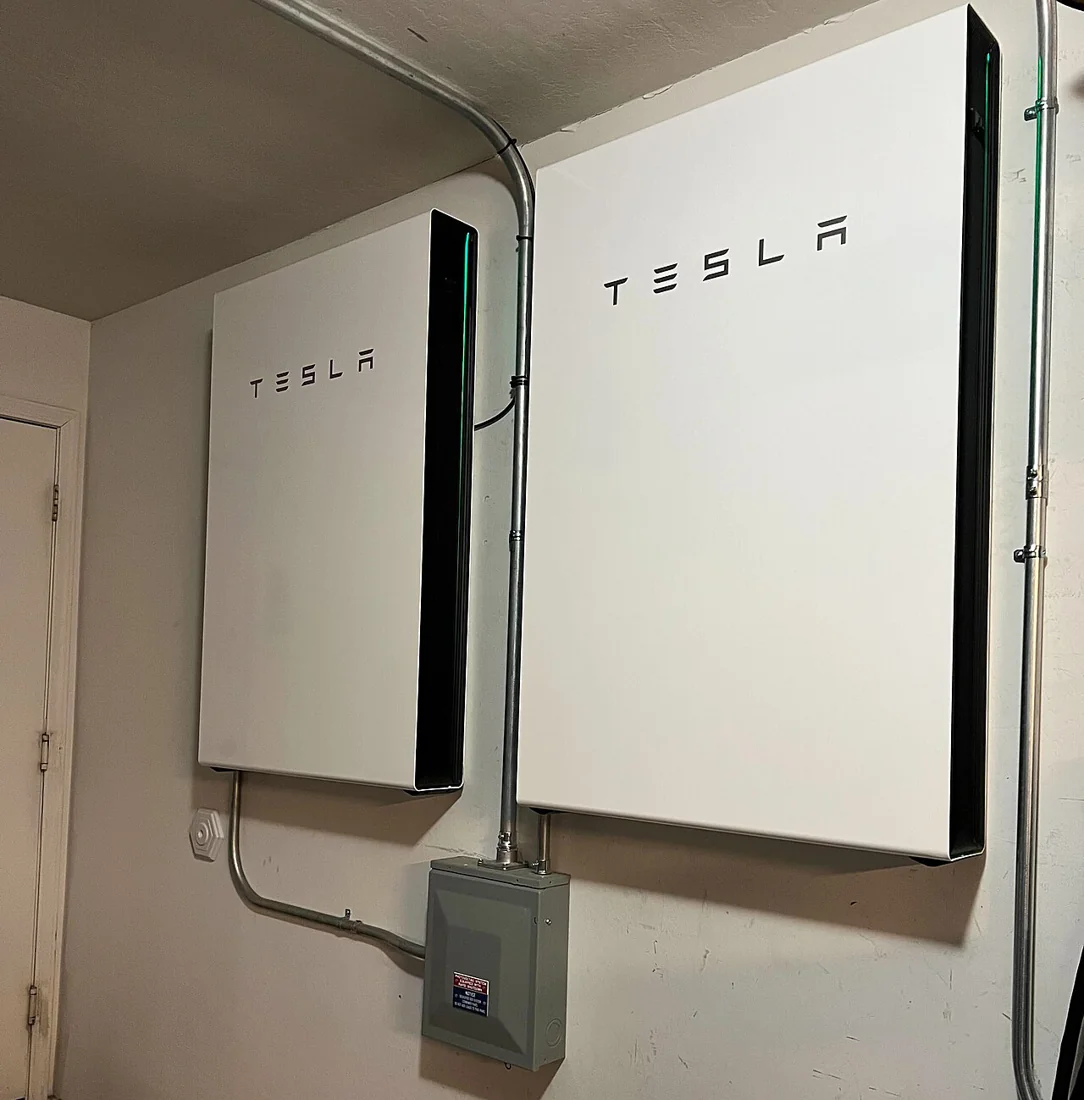
A home battery stores electricity so some of it can be used later. That simple function can support different goals, such as shifting solar energy to another time or supplying selected loads during an outage, but a battery does not automatically do both. Its controls, capacity, inverter and connection to the home determine what it can deliver.
Storage moves energy across time
Solar panels produce electricity when light reaches them; household demand does not necessarily peak at the same time. A battery can take in electricity, store it chemically and release electricity later through power electronics. The system loses some energy during charging and discharging, so the amount delivered later is not identical to every unit put in. The exact performance depends on equipment and operating conditions. [3]
A grid-connected battery can also interact with the utility connection, depending on system configuration and local rules. Ask whether the proposal is designed around solar charging, grid charging, outage backup or a combination. ENERGY STAR’s supplied home guidance identifies solar panels and other renewable systems as possible home improvements, but does not specify battery performance or local utility terms [2].
Capacity is not the whole story
Battery capacity describes how much energy it can store, while power describes how quickly it can provide it. Both matter: a system might have enough stored energy for a long period of modest use but be unable to start or run a high-demand appliance, depending on its design. A backup system also needs controls that isolate the home from the grid during an outage where required by its design and local safety rules.
Ask which circuits are backed up, what loads can operate together, and how long the system is expected to serve them under the proposal’s assumptions. A useful hypothetical exercise is to list essential devices and estimate their energy use from their labels or documentation, then ask the installer to show how the proposed system matches that list. This is not a guarantee of runtime; actual duration depends on demand and conditions.
Decide what problem it solves
If the goal is to use more of a home’s solar generation later, ask how the battery’s charging schedule relates to the household’s use and utility tariff. If the goal is outage backup, ask which loads are covered and whether solar can recharge the battery during an outage in the proposed configuration. If the goal is bill management, the local rate structure and export rules are central; they cannot be assumed from a generic battery description.
A battery is not a substitute for reducing unnecessary heating and cooling demand. ENERGY STAR describes air sealing and insulation as ways to improve comfort and energy performance, and its home-improvement guidance treats these measures as part of the wider project sequence [1] [2]. If a home loses heat through drafts, addressing the envelope may improve comfort more directly than storing energy for a system that must keep compensating.
Compare complete proposals
Compare proposals for usable capacity, power output, included controls, backup circuits, warranty terms, installation work and the assumptions behind any savings estimate. Ask how the system behaves when the battery is full, depleted or unavailable, and what maintenance or replacement considerations apply. Confirm that the proposal explains how it connects with any solar system and the utility.
A common mistake is buying storage based on a single attractive number without checking the intended use. The right size for backup priorities may differ from the right size for shifting energy, and the economics depend on local arrangements. A universal savings percentage or payback claim cannot account for different tariffs, usage patterns and equipment costs.
Follow the evidence
Primary sources used in this story. Practical examples are illustrative unless a source states otherwise.
- ENERGY STAR: Why seal and insulate? ↗
- ENERGY STAR: Home energy improvements ↗
- US Department of Energy: Solar photovoltaic system design basics ↗
Read our editorial standards. Have a correction? Identify the article and relevant source in your feedback to the site owner.