tree day
Guide
Line drying vs tumble drying?
Line drying avoids running a powered dryer for that load, while a tumble dryer offers speed and predictable drying indoors. The better choice depends on weather, space, fabric care and whether damp air can be managed.
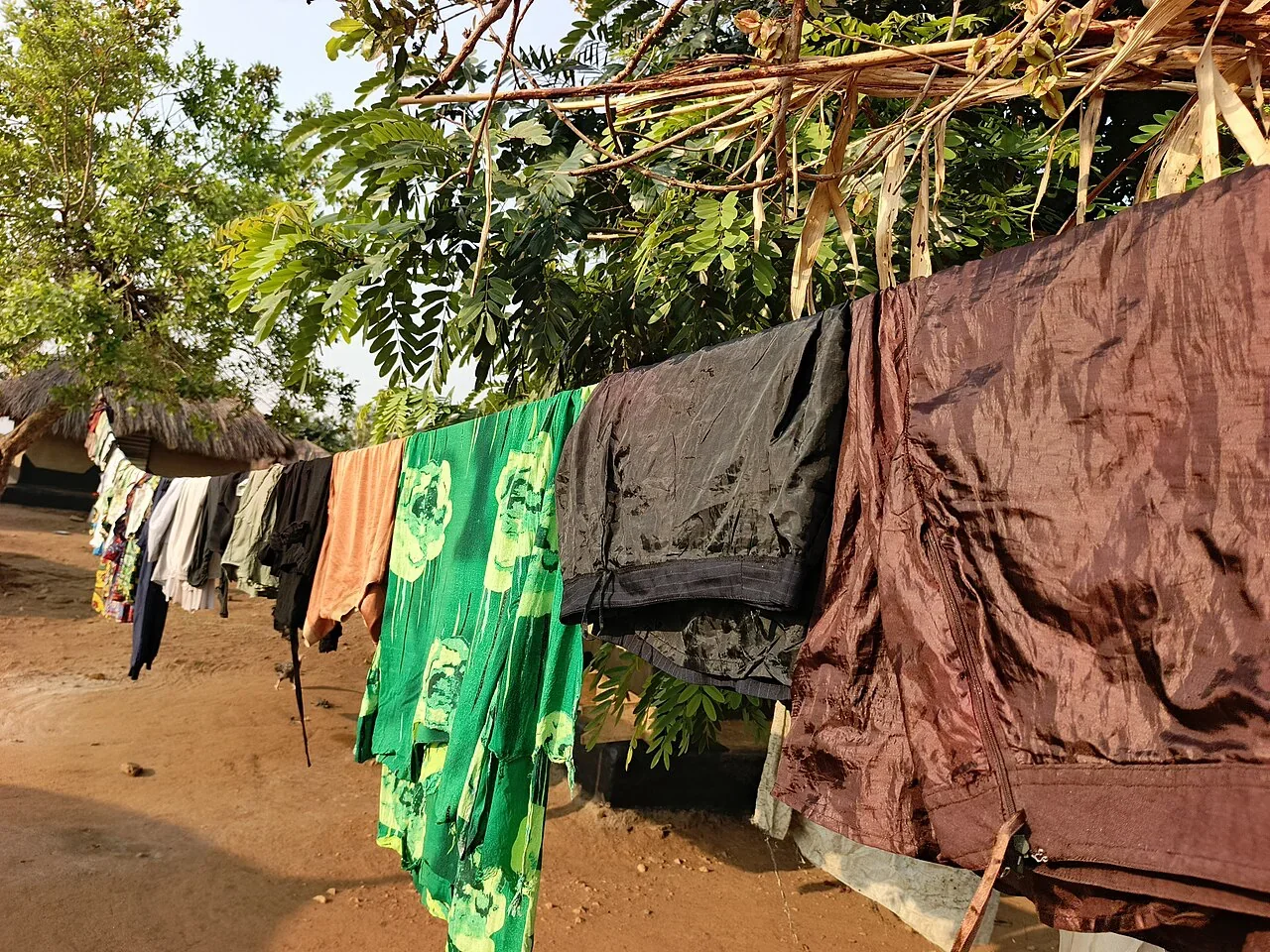
Line drying generally uses less household electricity than running a tumble dryer because the sun and moving air do the drying work. A dryer is faster and more reliable when weather, space or time is limited. Instead of treating one method as right for every load, consider which clothes can dry safely on a line and when the dryer solves a real problem.
Let fabric care guide the choice
Check garment labels before choosing either method. Some fabrics can shrink, stretch, fade or lose shape in a tumble dryer; some also need careful hanging or flat drying. A drying rack or clothesline can be gentler for suitable items, while a dryer may be appropriate for other everyday fabrics when the label allows it.
A practical approach is to sort by care needs rather than habit: delicate or shape-sensitive pieces can air dry, while suitable towels or sheets can go in a dryer when quick turnaround matters. The best routine protects clothes as well as reducing energy use.
Account for the room where clothes dry
Outdoor drying works best when the weather and available space cooperate. Indoors, a rack can make line drying possible year-round, but wet clothes release moisture into the room. Good airflow helps; avoid crowding garments together or placing a rack where it blocks a heater, exit or walkway.
If indoor air already feels damp or condensation is common, drying a large load inside may make comfort and moisture management harder. Choose a ventilated area and follow local building or housing guidance for persistent moisture problems. The goal is a useful drying spot, not simply moving the load out of sight.
Use the dryer when convenience has value
A tumble dryer can be the practical choice when clothes must be ready soon, outdoor conditions are poor, or the home lacks a safe place for a rack. Efficient dryers and sensible load practices can reduce waste compared with running small partial loads, but always follow the appliance’s instructions and clean its lint filter as directed.
ENERGY STAR includes dryers among the product categories consumers can consider when upgrading home equipment [1]. That does not establish the performance of every dryer or predict a household’s savings. If replacement is already necessary, compare the specific models and their operating guidance.
Compare the energy use with a clear example
Imagine, hypothetically, a household that air dries one load each week that would otherwise go through a powered dryer. The electricity avoided depends on the dryer’s actual use and cycle; there is no universal amount for a load. If the dryer is gas-powered, electricity alone also misses part of the energy input.
This is why the useful comparison is not simply “line drying is free.” It may take more time, space and attention, and a rack may be impractical in a small shared home. A hybrid routine—air dry some items and machine dry others—often fits the actual constraints better.
Choose a routine you can keep
A common mistake is leaving clothes outdoors in weather that may make them wet again or letting a crowded indoor rack slow drying. If either happens often, adjust the location or switch selected loads to the dryer. Efficiency should reduce resource use without creating repeated re-washing or damaged clothing.
For the next laundry load, check the care labels and forecast, then choose a line or dryer for each group. If the air-drying option is inconvenient, identify whether the obstacle is timing, space or indoor moisture before changing the whole routine.
Follow the evidence
Primary sources used in this story. Practical examples are illustrative unless a source states otherwise.
Read our editorial standards. Have a correction? Identify the article and relevant source in your feedback to the site owner.