tree day
Guide
How to use a thermostat efficiently?
Set the thermostat for the comfort you need while people are home, and adjust it when the home is empty or asleep if that suits the system. Avoid extreme settings and account for equipment type, humidity and room differences.
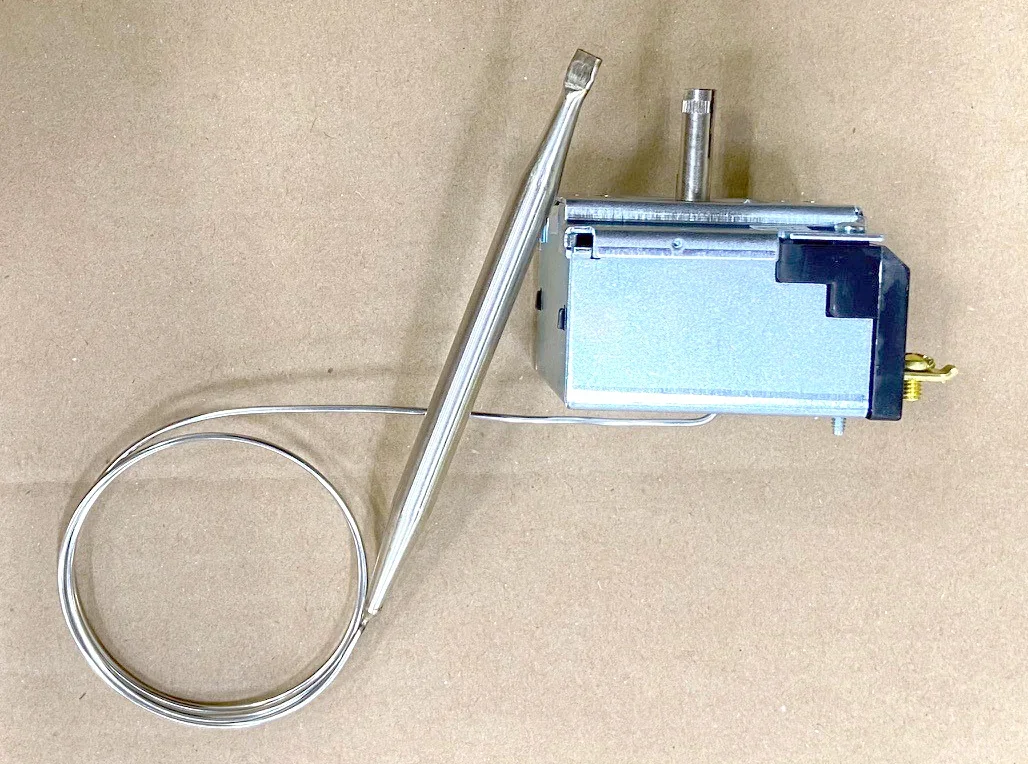
An efficient thermostat setting is one that meets the household’s comfort needs without asking the heating or cooling system to run harder than necessary. Set a reasonable target for occupied hours, then use a schedule or manual adjustment for times the home is empty or people are asleep. The best setting varies with the household, equipment and climate, so there is no single number that fits every home.
Use a schedule that follows real routines
A programmable or smart thermostat can reduce heating or cooling when the home does not need the same comfort level, then return to the occupied setting ahead of time. A schedule works when it reflects daily life: work hours, school, sleep and rooms used at different times. An overly complicated schedule that nobody maintains can be less useful than a simple one.
For a hypothetical household that leaves at eight in the morning and returns at six, the thermostat could use a less demanding setting while the home is empty, then resume its preferred setting before arrival. The appropriate adjustment depends on the system and the home’s ability to recover comfortably.
Avoid dramatic corrections
Setting a thermostat far beyond the desired temperature does not generally make a conventional system heat or cool faster; it can simply cause it to run longer before stopping. Make a modest change, allow time for the building to respond, and adjust based on comfort. A large setback may be inconvenient if the home takes a long time to recover.
Heat pumps and other systems can behave differently depending on controls and outdoor conditions, so follow the thermostat and equipment instructions. Some heat-pump controls manage supplemental heat automatically; overriding them without understanding the setup may affect operation. If the system seems to run continuously or cannot meet the setpoint, investigate the equipment and building rather than continually changing the target.
Keep the thermostat from chasing a bad reading
Place the thermostat where it can sense a representative indoor condition, following manufacturer guidance. Direct sunlight, nearby lamps, drafts, kitchens and supply vents can distort its reading or cause the system to cycle in a way that does not match the rest of the home. A single thermostat also cannot guarantee that every room reaches the same comfort level.
If one bedroom is always warmer, note whether it has direct sun, closed vents, an exterior leak or a duct issue. ENERGY STAR lists duct sealing and improvements to heating, cooling and ventilation systems as home projects that can improve comfort and efficiency. [3] Room-level imbalance may be a distribution problem rather than a thermostat setting problem.
Use the system you have in mind
For central heating or cooling, a schedule can reduce runtime when the whole home is unoccupied. For a heat pump, use settings and modes recommended for its controls, especially if the thermostat offers a heat-pump-specific configuration. For a window unit or portable air conditioner, follow the appliance instructions and focus on the room being used; a central schedule may not apply.
Heating and cooling are major contributors to household energy use, according to ENERGY STAR. [1] That makes settings one part of efficient operation, alongside equipment condition and the home’s envelope. Air sealing and insulation can reduce drafts and help maintain comfort, but they do not substitute for a correctly functioning system. [2]
Review comfort before tightening the schedule
After changing a schedule, observe how the house feels at the times that matter and whether the system reaches the target without excessive runtime. Consider sleep comfort, pets, indoor humidity and anyone who may be sensitive to temperature changes. If the home becomes unsafe during heat or cold, prioritize safety and follow official local guidance.
If a schedule causes repeated manual overrides, simplify it around the household’s actual routine. The useful next action is to make one modest adjustment for an unoccupied period, then check whether comfort on return remains acceptable.
Follow the evidence
Primary sources used in this story. Practical examples are illustrative unless a source states otherwise.
- ENERGY STAR: Energy savings at home ↗
- ENERGY STAR: Why seal and insulate? ↗
- ENERGY STAR: Home energy improvements ↗
Read our editorial standards. Have a correction? Identify the article and relevant source in your feedback to the site owner.