tree day
Guide
How trees shade a house?
Trees cool a house by blocking sunlight from roofs, walls, and windows, and by releasing water vapor from leaves. Their effect depends on placement, canopy, season, and local conditions, so plan for mature size and building needs.

A tree can make a sunlit window feel less intense long before it changes the temperature of an entire house. Shade blocks direct sunlight from reaching roofs, walls, and glass, while a leafy canopy also changes the conditions around the building. The useful question is not simply whether to plant a tree, but which part of the house needs shade, at what time of year, and how the tree will fit as it grows.
Shade blocks solar gain
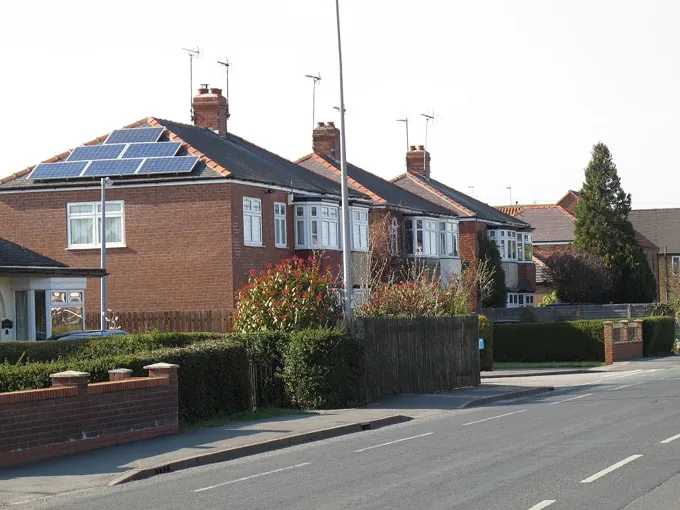
Sunlight passing through a window warms floors, furniture, and other interior surfaces. Sunlight striking a dark roof or wall can heat those surfaces, which then transfer warmth inward. A tree canopy intercepts some of that solar energy before it reaches the house. A strategically placed tree may therefore reduce heat gain on a west-facing window in the afternoon or shade a roof that receives strong summer sun.
The result depends on the angle of the sun, canopy density, distance, height, and the building’s orientation. A small young tree may provide little shade at first; a mature canopy may shade a much larger area. Deciduous trees lose leaves in colder seasons, which can allow more winter sun through, while evergreen foliage provides more continuous screening. Which pattern is useful depends on local climate and whether the home benefits from winter solar warmth.
Leaves also affect the nearby air
Leaves release water vapor through transpiration. That process uses heat energy and can cool the air around vegetation, though the effect on a particular home varies with humidity, wind, soil moisture, and canopy size. Trees also create shade over nearby paving and soil, which can reduce the amount of heat those surfaces absorb and later release. Together, these processes can make a yard or the area beside a house feel cooler.
This neighborhood-scale cooling is different from insulating a house. Trees do not seal air leaks, improve attic insulation, or repair a poorly performing heating and cooling system. ENERGY STAR describes sealing and insulating as ways to improve comfort and efficiency, and notes that heating and cooling account for a large share of household energy use. [1] [2] A tree can complement building improvements, especially where direct sun is a major source of unwanted summer heat, but it cannot replace them.
Match the tree to the problem
Begin with observation. Which rooms overheat, and during what hours? Does direct sun enter through glass, strike an exterior wall, or warm the roof? A simple week of notes can reveal whether the problem is morning or afternoon exposure, a lack of window shading, or a broader insulation and ventilation issue. If the discomfort occurs when the sun hits one window, exterior shading may be more targeted than planting a large tree elsewhere.
Imagine a hypothetical west-facing living room that becomes uncomfortable late in the day. A homeowner could compare options such as an exterior shade, a suitable deciduous tree, or both. The tree offers shade that grows over time and may also improve the yard, but it cannot provide immediate relief at planting size. A temporary awning or interior adjustments may bridge the years before the canopy develops. This is an example of planning, not a claim about a specific species or guaranteed energy savings.
Plan for mature size and local conditions
Choose a species suited to the local climate, soil, available water, and space above and below ground. Consider mature height and width, root behavior, branch structure, leaf drop, fruit or seed litter, and whether nearby utility lines or sidewalks constrain growth. The tree’s eventual canopy should shade the intended part of the house without creating conflicts with roofs, service lines, or neighboring property. A local arborist, nursery, or extension resource can help match species to site conditions.
Planting location should also account for foundations, underground utilities, drainage, and access for future maintenance. There is no single safe distance from a house that fits every tree, soil, foundation, and site. Before digging, have underground utilities located through the appropriate local service. A common mistake is to pick a fast-growing tree for instant shade without checking its mature form or water needs. The next step is to map the sun exposure and available planting space, then seek locally appropriate species advice before selecting a tree.
Follow the evidence
Primary sources used in this story. Practical examples are illustrative unless a source states otherwise.
Read our editorial standards. Have a correction? Identify the article and relevant source in your feedback to the site owner.