tree day
Guide
Draught proofing vs insulation?
Draught proofing stops uncontrolled air movement; insulation slows heat passing through solid parts of the home. Learn which problem each solves, how to prioritize work and why the two often perform best together.
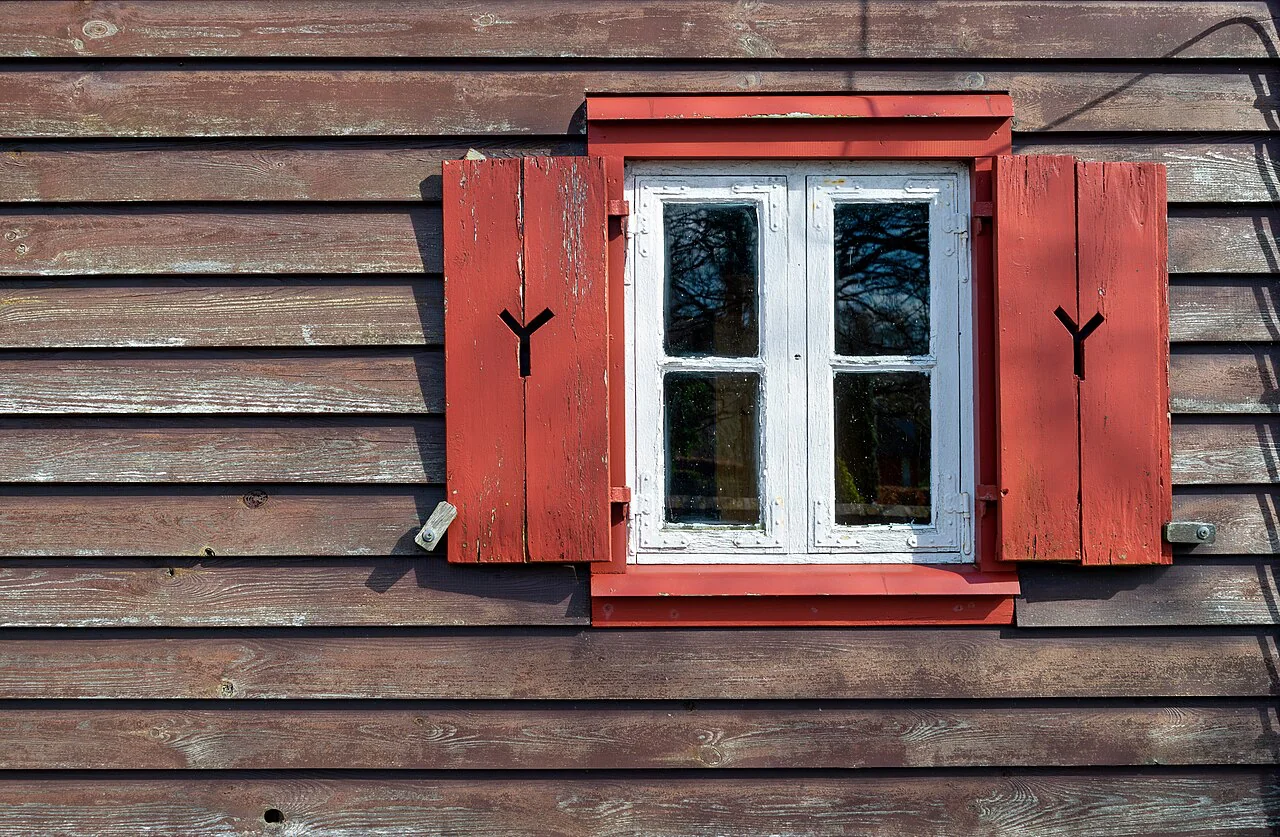
If a room feels cold because air whistles around a door, sealing that gap may help more quickly than adding insulation to a wall. If the room stays chilly even when there is no noticeable airflow, heat may be passing through the building fabric. Draught proofing and insulation address different routes of heat loss, so the useful first step is to identify which one is making your home uncomfortable.
Two different paths for heat loss
Draught proofing limits unwanted air exchange through gaps around doors, windows, pipes and other openings. Insulation slows heat moving through walls, roofs, floors and other solid surfaces. A home can have one problem, the other, or both at once.
ENERGY STAR describes sealing leaks and adding insulation as key improvements for energy efficiency and comfort. Its guidance says insulation helps keep a home warm in winter and cool in summer, while sealing leaks can reduce drafts and improve comfort. [2] The practical distinction is straightforward: a draft is moving air; a cold interior surface points more toward heat transfer through the building fabric, though both can contribute to the same room feeling cold.
Start with the symptom you can observe
Notice where discomfort occurs and when. A moving curtain on a still day, a narrow stream of cold air near a closed door, or dust gathering at a gap can suggest leakage. A whole exterior wall that feels cold, or a room beneath an exposed roof that loses warmth quickly, may call for an insulation assessment. These clues help you choose what to investigate; they do not establish what is behind a wall or ceiling.
For example, imagine a hypothetical bedroom with a cold strip near the threshold and a chilly ceiling. A door seal might address the local draft, while checking the attic insulation could address heat loss above the whole room. Fixing only the door would leave the ceiling issue; adding insulation alone might leave the moving air unchanged.
Why sealing often comes first
Leaky openings let conditioned air escape and outdoor air enter. That can make heating or cooling work harder while producing uneven comfort. Insulation cannot close a gap that still lets air pass through, which is why a well-sealed building envelope and suitable insulation are complementary measures. ENERGY STAR recommends sealing and insulating as cost-effective ways to improve efficiency and comfort, while noting the results depend on the home and the work done. [1]
If you plan a larger upgrade, assess the envelope as a system. Air sealing around an attic hatch, for instance, addresses a path for moving air; insulation across the attic floor addresses heat transfer through that surface. The order and details matter, so concealed cavities and ventilation should be reviewed by a qualified professional when the work is extensive.
Where a quick fix can go wrong
Sealing every opening without considering the house’s ventilation can create problems. Some openings serve a necessary purpose, and combustion appliances or moisture-prone spaces may need specific ventilation arrangements. Avoid blocking vents or sealing around equipment without understanding what the opening does. A qualified energy assessor or contractor can help distinguish accidental leaks from required air paths.
Insulation has its own limits. Adding material over damp, damaged or poorly ventilated areas can hide a problem rather than solve it. The right material and placement depend on the assembly and local climate. A cold room is not enough evidence to choose a product or prescribe a layer inside a wall.
Choose a first step, then reassess
For a small, visible gap at a door or window, a compatible seal may be a sensible first repair. For broad discomfort, high energy use or signs of uneven temperatures across several rooms, consider a home performance assessment. ENERGY STAR recommends assessing the home and working with an energy expert on projects that target the greatest comfort and savings. [3]
After one change, notice whether the original symptom improves under similar weather conditions. If the draft disappears but the room remains cold, investigate insulation or heating distribution next. If the surface feels less cold but air still moves, return to the leak. Treat each improvement as a response to a diagnosed path rather than assuming one upgrade will fix every comfort problem.
Follow the evidence
Primary sources used in this story. Practical examples are illustrative unless a source states otherwise.
- ENERGY STAR: Energy savings at home ↗
- ENERGY STAR: Why seal and insulate? ↗
- ENERGY STAR: Home energy improvements ↗
Read our editorial standards. Have a correction? Identify the article and relevant source in your feedback to the site owner.