tree day
Guide
How to calculate appliance energy use?
Estimate an appliance's energy use by converting watts to kilowatts and multiplying by the time it runs. The method works best when you account for cycling, changing settings and the difference between rated and actual power.
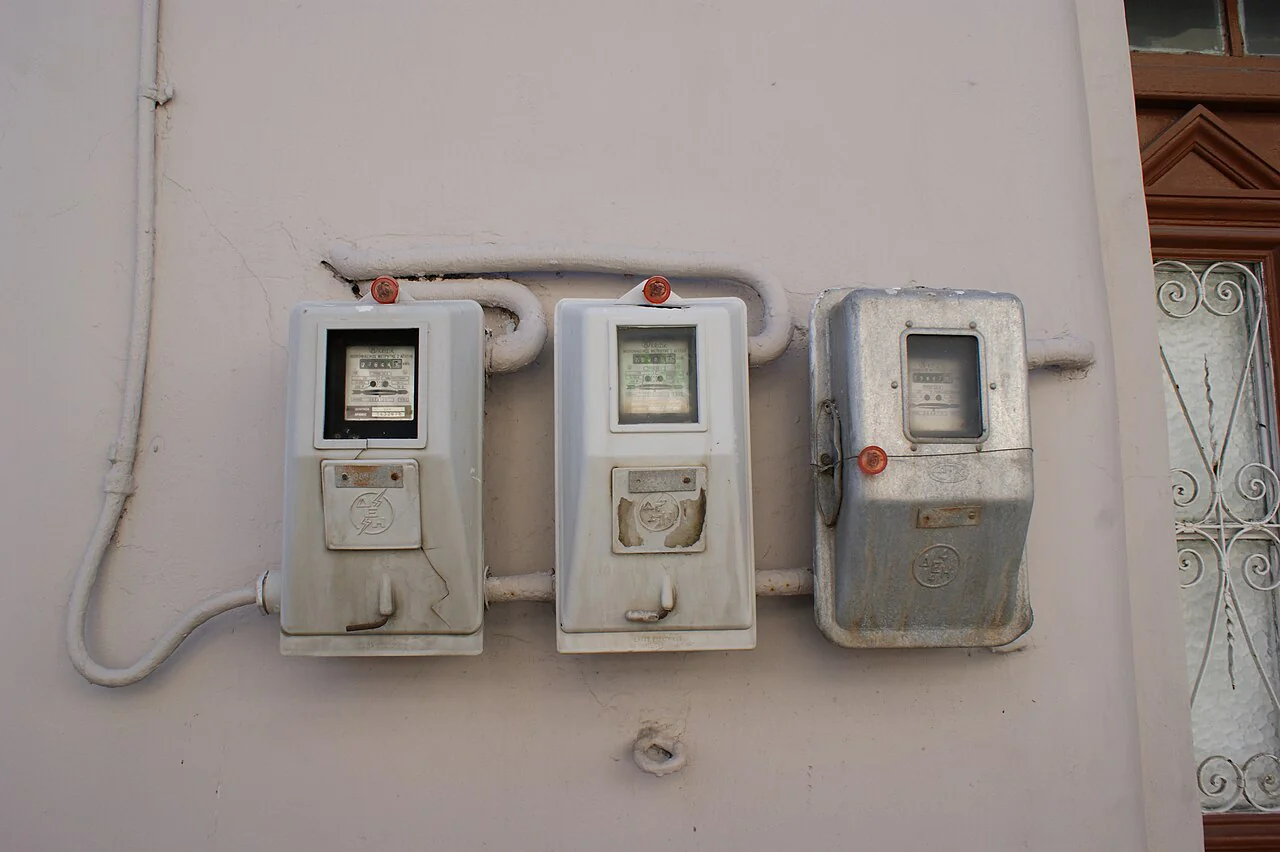
To estimate an appliance's electricity use, divide its wattage by 1,000 and multiply by the hours it operates. That gives kilowatt-hours (kWh), the unit commonly used on electricity bills. The arithmetic is simple; choosing a realistic operating time and understanding what the watt rating represents are the parts that take care.
The formula and a worked example
Use this formula: watts ÷ 1,000 × hours = kWh. For example, an explicitly hypothetical 800-watt appliance used for 2.5 hours would use 0.8 kW × 2.5 hours, or 2 kWh, if it drew 800 watts throughout that time. To estimate a cost, multiply the kWh by the applicable energy rate, keeping any fixed charges or taxes separate. [3]
The calculation gives energy, not the full amount due on an electricity bill. Bills can include multiple charges and may use different rates by time or season. Your utility statement is the place to find the rate structure that applies to your account.
Estimate actual running time
A device may be switched on for longer than its motor or heating element actively runs. Refrigerators, air conditioners and thermostatically controlled heaters cycle: they turn on and off to maintain a condition. Multiplying a rated wattage by every hour the appliance is plugged in can therefore overstate use. If you know its active operating time, use that; otherwise treat the result as a rough upper estimate when the full rating is a maximum draw.
For a device with variable settings, use the setting you actually use. A fan or appliance may draw different power at different speeds, and an oven's heating element may cycle after reaching temperature. The manual may clarify ratings, while a suitable energy monitor or utility data can help estimate real use for compatible equipment.
Turn daily use into a longer estimate
Once you have a reasonable daily kWh estimate, multiply by the number of similar days in the period. In a hypothetical case, a device using 0.6 kWh a day for 30 days would total 18 kWh. The result assumes the same use each day, so it may not fit seasonal appliances or changing routines.
Compare the estimate with the whole-home kWh on a bill as a sense check, not a perfect match. A home has many loads, and heating or cooling may vary substantially with weather. ENERGY STAR notes that those systems can account for a large share of home energy use. [1] A small appliance estimate will not explain a large bill by itself.
Know what the rating can and cannot tell you
A nameplate wattage typically describes a rated or maximum electrical input under specified conditions. It does not necessarily equal average draw during normal use. Some electronics use less in standby than active mode; motors can have different starting and running behavior. If an appliance lists volts and amps rather than watts, multiplying them can provide an apparent power figure, but the actual relationship may be more complex for some equipment.
A common mistake is to compare appliances only by watts. The lower-watt model may run longer or do less work, and the higher-watt device may finish a task quickly. Compare energy for the same task or use period where that information is available, and consider the device's role in household comfort and daily needs.
Choose a useful next measurement
Start with one appliance whose use is frequent, long-running or uncertain. Record its stated watts, the mode you use and a realistic time estimate. Calculate kWh for a day or cycle, then decide whether more precise measurement would change your decision. A plug-in monitor can help with some compatible devices; fixed systems generally need other measurement methods.
If the appliance is part of heating, cooling or hot water, whole-home conditions matter too. Air leaks and insulation can affect the demand on heating and cooling equipment, so an appliance-only calculation may miss the building's contribution. [2] Use the estimate to identify a question worth checking, then compare it with your bill or a measured reading.
Follow the evidence
Primary sources used in this story. Practical examples are illustrative unless a source states otherwise.
- ENERGY STAR: Energy savings at home ↗
- ENERGY STAR: Why seal and insulate? ↗
- US Energy Information Administration: Measuring electricity ↗
Read our editorial standards. Have a correction? Identify the article and relevant source in your feedback to the site owner.