tree day
Guide
How to plan an energy upgrade?
Plan an energy upgrade by identifying the problem, assessing the home, and prioritizing work that fits its condition and climate. A sequence matters because one improvement can affect the value or design of the next.
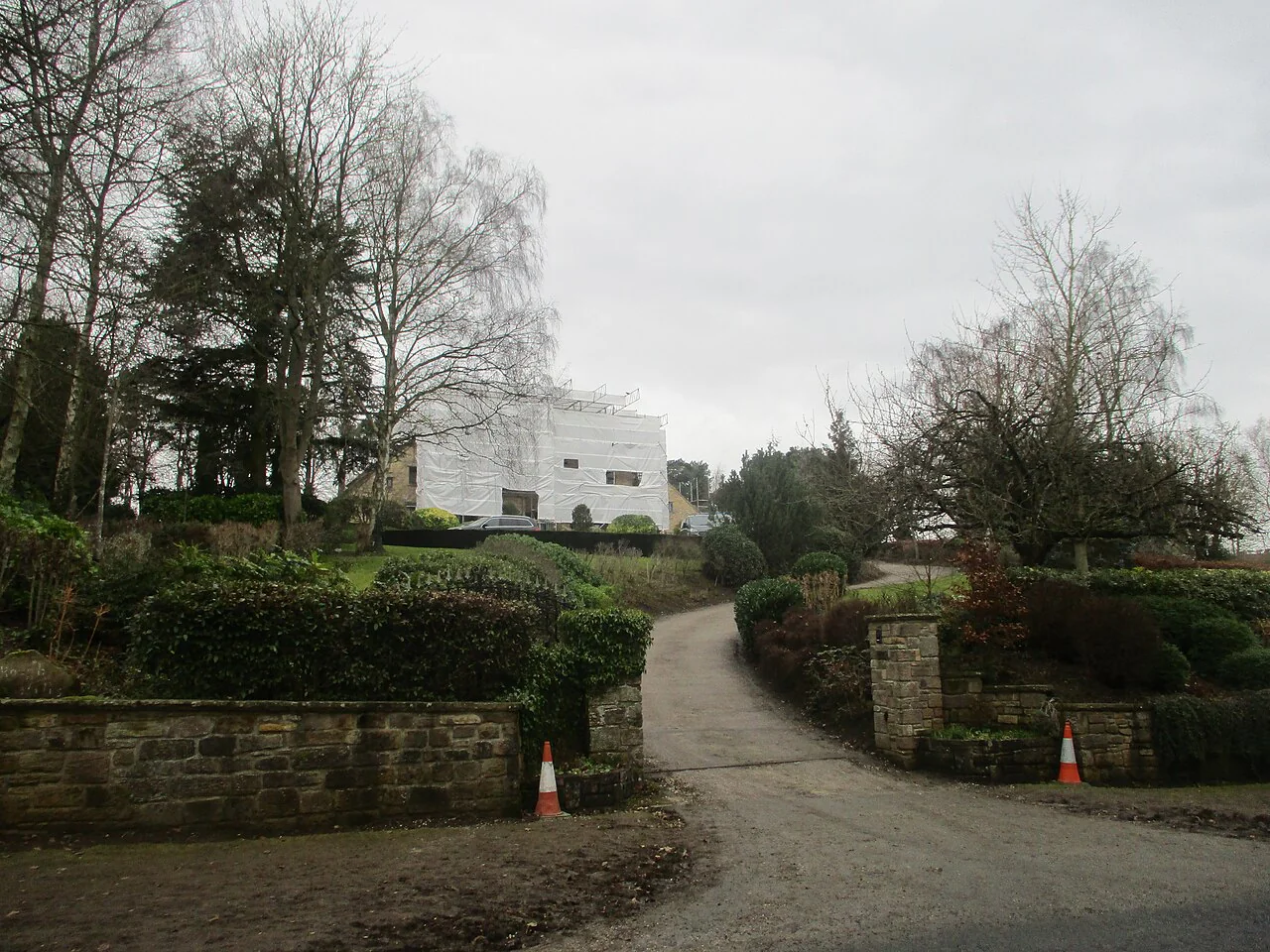
A good energy upgrade starts with a problem in the home, not a product in a catalog. Persistent drafts, uneven temperatures or an aging heating system point to different work. Assessing the building first helps reveal which changes are likely to improve comfort and which should wait until another issue is fixed.
Write down the problem you want to solve
Describe where discomfort or waste shows up, when it happens and which rooms or systems are involved. A cold bedroom, a system that runs constantly and a water heater near the end of its service life call for different investigations. Include constraints such as a rented home, limited access or planned renovation.
The description also gives you a way to judge whether an upgrade worked. If the problem is a draft beside one window, a general appliance replacement may not address it. If the heating system struggles across the entire home, a broader assessment may be more useful than a single-room fix.
Assess the home before choosing measures
ENERGY STAR recommends completing a home performance assessment and then working with an expert to identify projects with strong comfort and savings potential [1]. That sequence matters because insulation, air leakage, ducts and equipment interact. An assessment can help find the cause rather than treating a visible symptom alone.
For example, in a hypothetical home with cold rooms and high heating demand, an assessor might check for air leaks and insulation gaps before recommending a heating-system replacement. That does not guarantee a particular result; it shows why the order of investigation can shape the choice of equipment.
Sequence the work around the building
ENERGY STAR identifies sealing air leaks and adding insulation as critical first steps, alongside duct improvements and heating or cooling system work [1]. The right order still depends on the home: existing moisture, ventilation needs, climate and equipment condition can change what should happen first.
A common mistake is installing a larger or newer system before understanding the building envelope. If leakage and distribution problems remain, the new equipment may not solve comfort differences. A qualified contractor or energy professional can explain the findings and the reasoning behind the sequence.
Compare upgrades by purpose and constraints
Once the cause is clearer, compare the options against comfort, energy use, maintenance, cost and disruption. ENERGY STAR notes that lighting, appliances and water heating can also be upgrade opportunities, and that window choices can be climate-specific [1]. These are categories to consider, not a prescription to replace everything at once.
If the project involves windows, insulation or ventilation, ask how the proposed work fits the local climate and existing assemblies. If it involves equipment, ask what capacity is appropriate and what installation details matter. A written scope makes it easier to compare proposals based on the same problem.
Use hypothetical arithmetic, not promised savings
For a simple example, suppose an upgrade reduced a home’s electricity use by an estimated 100 kilowatt-hours each month, and the household’s rate were hypothetically 20 cents per kilowatt-hour. The arithmetic would be 100 multiplied by $0.20, or $20 for that month. Both figures are illustrative only; they are not a forecast or a claim about any project.
Actual results depend on the home, weather, equipment use and rates. Request assumptions in writing, including what was measured and what remains uncertain. ENERGY STAR describes efficiency work as a way to improve comfort and save energy, but its general guidance cannot predict a specific home’s outcome [2].
Take the next step that reduces uncertainty
The trade-off is that assessment takes time and may lead to findings beyond the original idea. That information can prevent an upgrade from solving the wrong problem. If major work is not affordable now, the assessment can still help you prioritize repairs and avoid choices that complicate future improvements.
Gather recent utility bills if available, note the symptoms by room and list any equipment concerns. Then arrange an assessment or consult a qualified local professional, and ask for a prioritized scope that explains what to do first and why.
Follow the evidence
Primary sources used in this story. Practical examples are illustrative unless a source states otherwise.
Read our editorial standards. Have a correction? Identify the article and relevant source in your feedback to the site owner.