tree day
Guide
How to save hot water?
Reduce the amount of hot water you use and the heat lost between the heater and the tap. A few small changes can help; the best first step depends on where your household’s hot water goes.
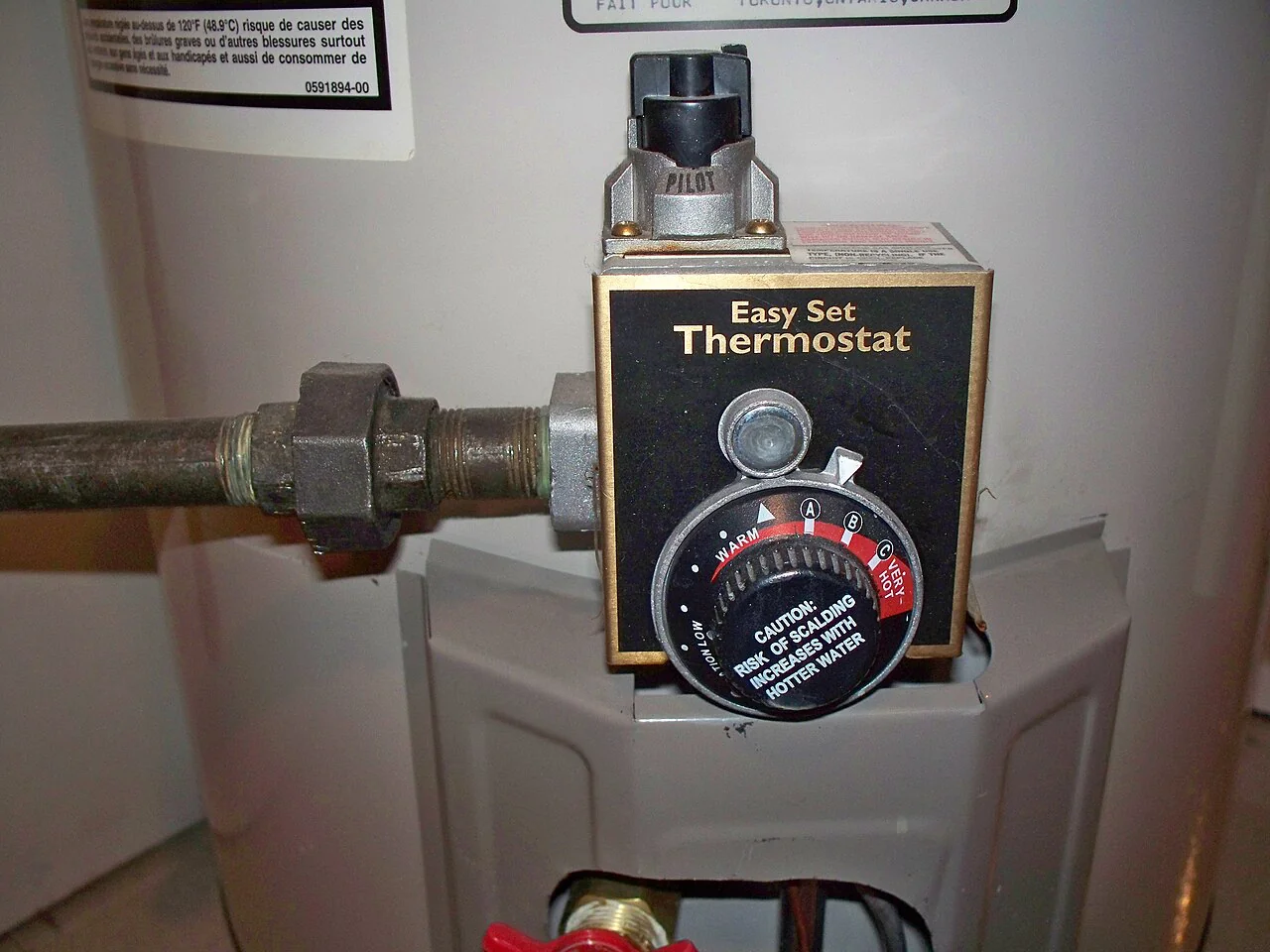
To save hot water, start by using less of it at the tap, then look for heat lost from the water heater or pipes. Shorter showers, full loads in the dishwasher and washing clothes in cold water can reduce demand without changing the whole plumbing system. If hot water takes a long time to arrive, the waste may be in the wait itself, so identify that pattern before buying equipment.
Find the water that is being heated unnecessarily
Hot water use often hides in routines: a faucet left running while washing, a long shower, or a dishwasher started half full. The heater must replace each gallon drawn, so reducing unnecessary flow also reduces the energy needed to heat replacement water.
For a week, notice which uses dominate. A household with frequent long showers has a different opportunity from one that mostly uses hot water for laundry. This simple inventory avoids spending effort on a small source while a larger one continues unchanged.
Make a small change at the point of use
Try a slightly shorter shower, turn the tap off while soaping dishes by hand, and run the dishwasher only when its load is ready. For laundry, check garment labels and the washer instructions; many ordinary loads can be washed in cold water, though heavily soiled items or particular fabrics may call for another setting.
A practical example: if one person tends to let the shower run while getting ready, the first useful change may be to start it only when ready to step in. That avoids heating and sending water down the drain without requiring a new fixture. The right adjustment is one the household can sustain.
Notice the wait between heater and faucet
A distant bathroom faucet may take time to deliver hot water. If you routinely run it until the temperature changes, water is wasted along with the heat carried by the water left cooling in the pipe. A low-flow fixture might reduce the volume used during the wait, but it can also make the wait feel longer.
Do not assume a recirculation system is automatically a savings measure: its pump and controls use energy, and the result depends on how it is set up. First note which taps have the longest waits and how often they are used. A plumber can assess options where the delay is persistent.
Keep hot water where it belongs
Insulating accessible hot-water pipes can slow heat loss as water travels, especially through unheated areas. Follow the heater and pipe manufacturer’s instructions and local requirements; keep insulation clear of flues, burners, valves, and service labels. Do not cover parts that need inspection or ventilation.
If the heater itself is old or leaking, that is a different decision from conserving water at the tap. ENERGY STAR identifies water-heating equipment among the home systems that can be upgraded for efficiency [1]. A qualified professional can compare a replacement with the existing setup and explain compatibility, installation needs, and operating considerations.
Choose the next change by what you observed
The main trade-off is convenience: a shorter shower or a faucet turned off between tasks saves demand only if it fits daily life. Conversely, buying a new heater to fix a habit may be costly and address the wrong problem. ENERGY STAR also points to sealing and insulation as ways to improve home efficiency and comfort [2], but that advice concerns the home envelope, not a guaranteed hot-water saving.
Pick one repeated use to change first, then check whether it feels practical after a week. If the issue is a long wait, a leak, or an aging heater, record where and when it occurs and ask a qualified local professional to assess that specific problem.
Follow the evidence
Primary sources used in this story. Practical examples are illustrative unless a source states otherwise.
Read our editorial standards. Have a correction? Identify the article and relevant source in your feedback to the site owner.