tree day
Guide
How do solar panels work?
Solar panels turn incoming light into electrical current through semiconductor cells. Follow the path from sunlight to usable household power and learn what the inverter, grid connection and shade change.
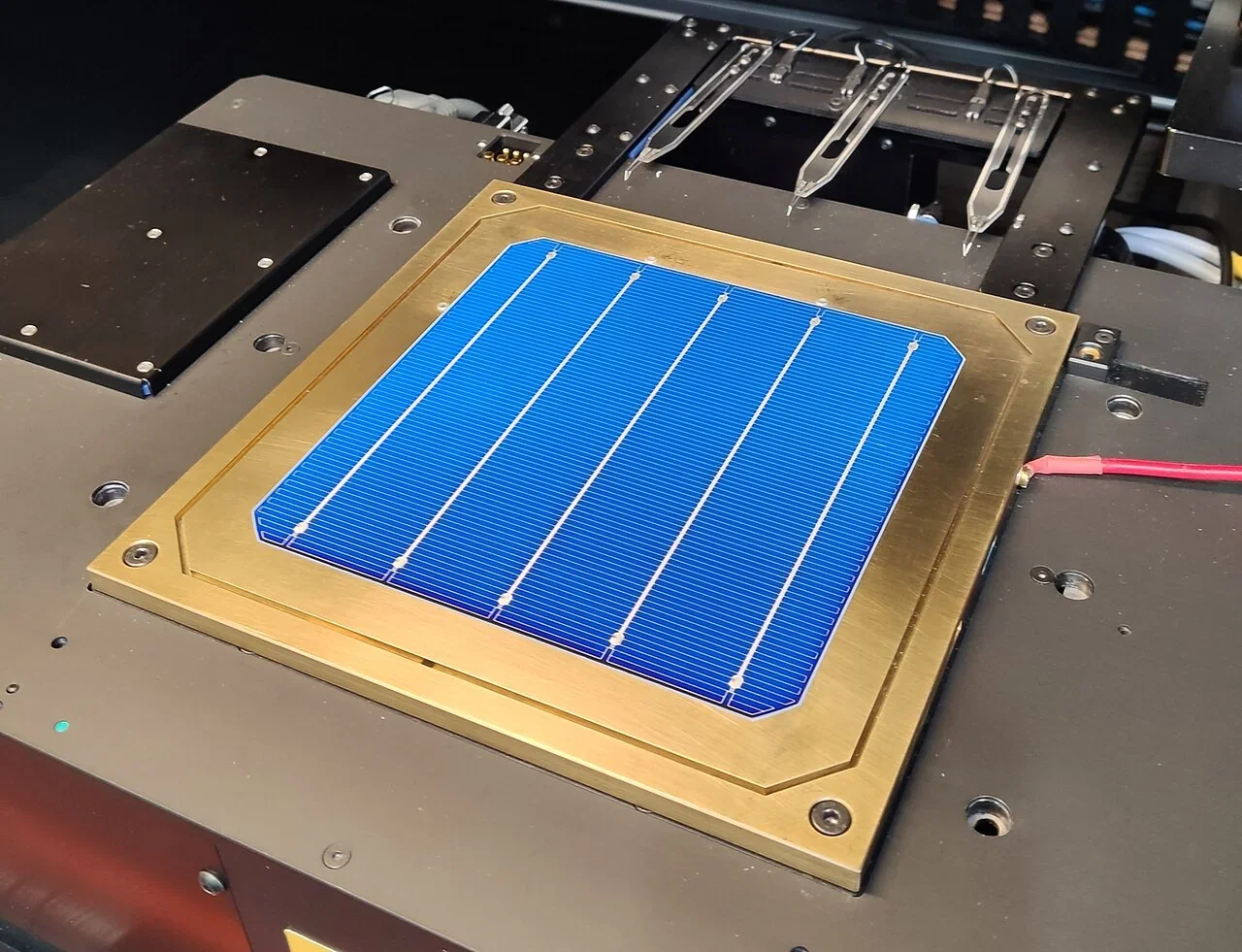
A solar panel makes electricity when light energizes its semiconductor material. The panel’s cells produce direct current, and an inverter converts it to the alternating current most homes use. From there, electricity can serve household loads, with the grid and any storage system handling the rest according to the installation and local arrangements.
Light sets charges in motion
A solar cell is made from semiconductor material arranged so that incoming light can free electrical charges and create a flow through an external circuit. Many cells are joined into a panel; panels are wired together to form an array. The array’s electrical output depends on its design and the light reaching it. A panel does not need to become hot to produce electricity; the relevant input is light. [2]
This describes the basic conversion, not a forecast for a particular roof. Orientation, shade, equipment and weather all affect the electricity an installed system produces. A proposal should state its assumptions and show how the array would fit the actual roof. ENERGY STAR identifies installing renewable energy systems, including solar panels, as a possible home improvement after efficiency work has been considered [1].
From direct current to household circuits
The cells produce direct current, or DC. An inverter changes DC into alternating current, or AC, which is the form used by ordinary household circuits. The inverter and related electrical equipment coordinate the solar array with the home’s electrical system. A qualified installer should describe which equipment is included and how it connects to the service panel.
When solar production and household use do not match moment by moment, the system needs an arrangement for the difference. A grid-connected home may draw from the grid when its panels are producing less than the home uses and may export excess electricity under local interconnection rules. A battery can store some energy for later, but it is a distinct system component with its own capacity and controls. Do not assume a grid-connected array alone will power the home during a grid outage.
Why shade and load matter
Shade reduces the light reaching affected cells, so trees, chimneys and nearby buildings can alter output. The effect depends on the array design and where shade falls; the presence of a tree alone does not establish that a roof is unsuitable. Ask the installer to document shade observations and explain how the proposed layout responds to them.
The home’s energy use also matters. If heating, cooling or water heating equipment changes, electricity demand may change as well. ENERGY STAR’s home-improvement guidance treats air sealing, insulation, heating and cooling, and renewable energy as connected project decisions [1]. As a hypothetical example, a household planning to electrify heating could ask for solar estimates using both current and expected future electricity use rather than sizing only from old bills.
What the panel cannot tell you
A panel’s appearance or nameplate is not enough to predict the electricity a household will receive over a year. The number and placement of panels, light conditions, inverter design, system downtime and household demand all shape the practical result. Ask for the assumptions behind any estimate and distinguish projected production from a guaranteed bill reduction.
A common mistake is to treat every kilowatt-hour generated as one that offsets a bill in the same way. Local utility tariffs and export arrangements determine how electricity is credited, and those terms can vary. A home’s production and savings depend on its roof, energy use and the utility’s current tariff; a technology overview cannot provide a reliable household-specific figure.
Follow the evidence
Primary sources used in this story. Practical examples are illustrative unless a source states otherwise.
- ENERGY STAR: Home energy improvements ↗
- US Department of Energy: Solar photovoltaic technology basics ↗
Read our editorial standards. Have a correction? Identify the article and relevant source in your feedback to the site owner.