tree day
Guide
Native vs non native species?
Native and non-native describe where a species occurs in relation to a particular place; neither label alone tells you whether it causes harm. Learn how to use the distinction when choosing plants or interpreting wildlife.
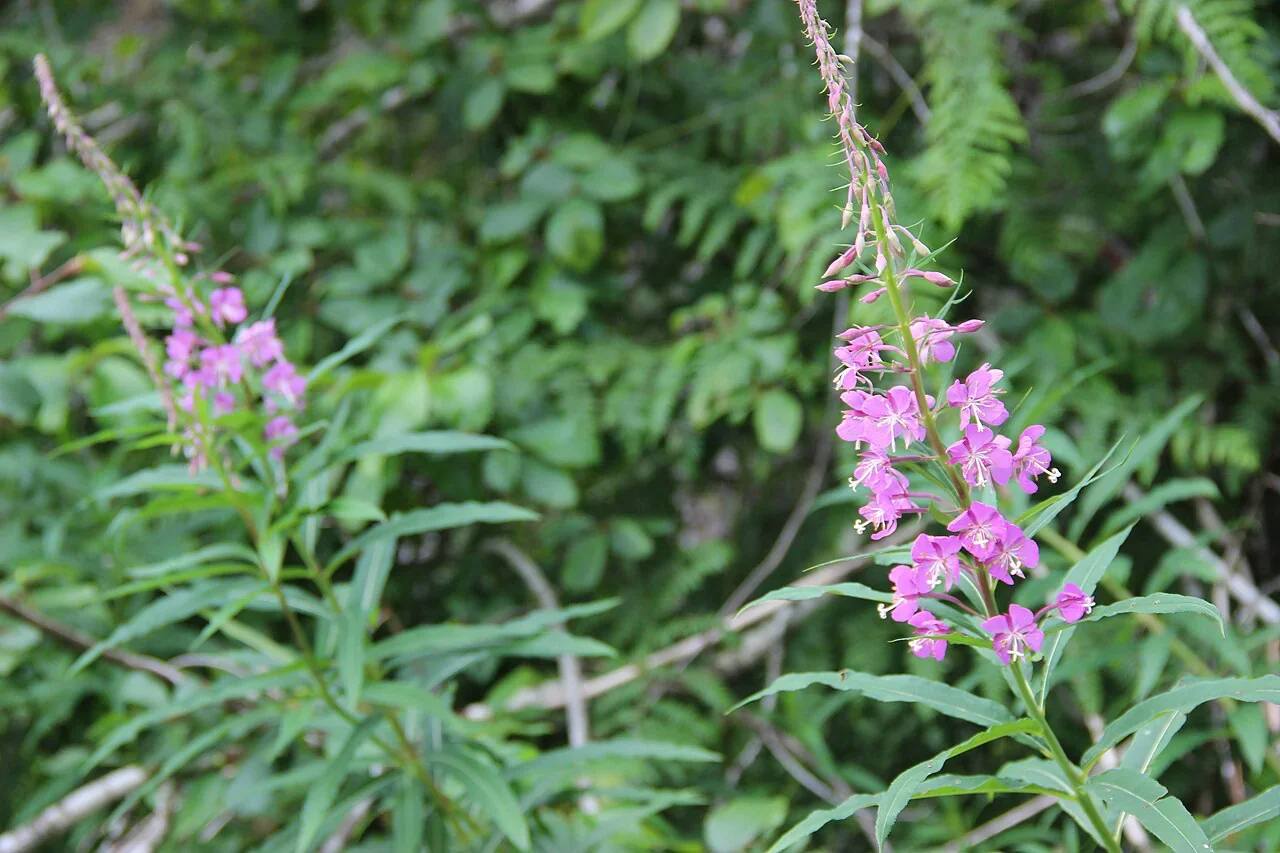
A plant can be familiar, healthy and useful in a garden while still being non-native to the region. “Native” describes a species’ relationship to a place: it occurs there naturally, rather than arriving through human introduction. The label is local, not a moral ranking. To decide what belongs in a planting, pair that geography with the plant’s behavior, the needs of local wildlife and the conditions of your site.
The key is the place you mean
A species is native or non-native relative to a defined ecosystem or region. A plant native to one part of the United States may be non-native somewhere else in the country. State borders can be convenient reference points, but climate, watersheds, soils and ecological regions do not always follow them. Ask “native where?” before treating a label as a complete answer.
Non-native means that people introduced the species, intentionally or accidentally, beyond the area where it naturally occurs. That introduction may have happened long ago. The label does not say that a species is new to your neighborhood, that it is unhealthy, or that it cannot provide food or shelter. The National Invasive Species Information Center points out that many familiar foods and domestic animals in the United States are non-native, and that the two terms non-native and invasive are not interchangeable. [2]
Native is a useful clue, not a guarantee
A locally native plant evolved in the same broad ecological setting as native insects, birds and other organisms. That history can make it a useful starting point when you want a garden to support local wildlife. But the word does not guarantee that every native species suits every yard. A plant adapted to wet ground may struggle on a dry slope; a species from a warmer part of a state may be poorly matched to a cold site.
Biodiversity includes variety at the level of genes, species and ecosystems, not simply a count of plant names. [1] In a small garden, this means the goal is not to collect as many labels as possible. Think about whether your choices create a mix of flowering times, heights and shelter, and whether they fit the existing light and moisture. A patch of suitable plants can provide more coherent habitat than a crowded collection of poorly matched ones.
A plant’s origin does not settle its impact
The practical distinction is between origin and effects. A non-native species can remain contained and useful in a managed setting. An invasive species is non-native to the ecosystem under consideration and causes, or is likely to cause, economic or environmental harm or harm to human health. [2] That definition makes “invasive” a claim about both location and consequences, not just a synonym for “from elsewhere.”
For example, imagine choosing a flowering ornamental for a small courtyard. Its non-native origin alone does not tell you whether it will spread into nearby natural areas. You would still want to check reliable local guidance for its behavior and whether it is recommended for the planting site. Conversely, a native plant that is aggressive in a particular bed does not become an invasive species just because it spreads quickly there; the ecological definition concerns non-native species and harm.
Choose with a local check
When comparing plants, first identify your local ecological region and the conditions of the spot: sun, soil texture, drainage and available space. Then look for regional native plant lists or advice from a local extension service, botanical garden or conservation agency. Match the plant’s needs to your site instead of assuming a plant is suitable merely because it is native somewhere nearby.
If you are considering a non-native ornamental, check whether it is listed as invasive or a concern for your area, and ask whether it can escape cultivation. The risk is especially worth considering when a garden borders a stream, woodland, field or other habitat. Avoid moving plants, seeds or soil into natural areas unless local authorities permit it.
Make the label serve the decision
Native status is most useful when it prompts a more specific question: what ecological relationships could this plant support here, and what might it do if it spreads? That keeps the decision grounded in place. A native planting can still fail if it is poorly matched to its site; a non-native species is not automatically harmful; and an invasive species deserves care because of its likely impacts.
For a first planting, select one small area and choose a few locally appropriate species with different flowering periods or structures. Check their mature size and growing conditions before buying. This makes it easier to observe what thrives and what wildlife uses the space, then adjust the next planting with better local information.
Follow the evidence
Primary sources used in this story. Practical examples are illustrative unless a source states otherwise.
- US National Park Service: What is biodiversity? ↗
- National Invasive Species Information Center: What are invasive species? ↗
Read our editorial standards. Have a correction? Identify the article and relevant source in your feedback to the site owner.