tree day
Guide
Trees and climate change?
Trees can store carbon and shape local conditions, but their climate role depends on species, place, care and time. Learn how to think about tree planting as one part of climate action, not a stand-in for reducing fossil-fuel emissions.
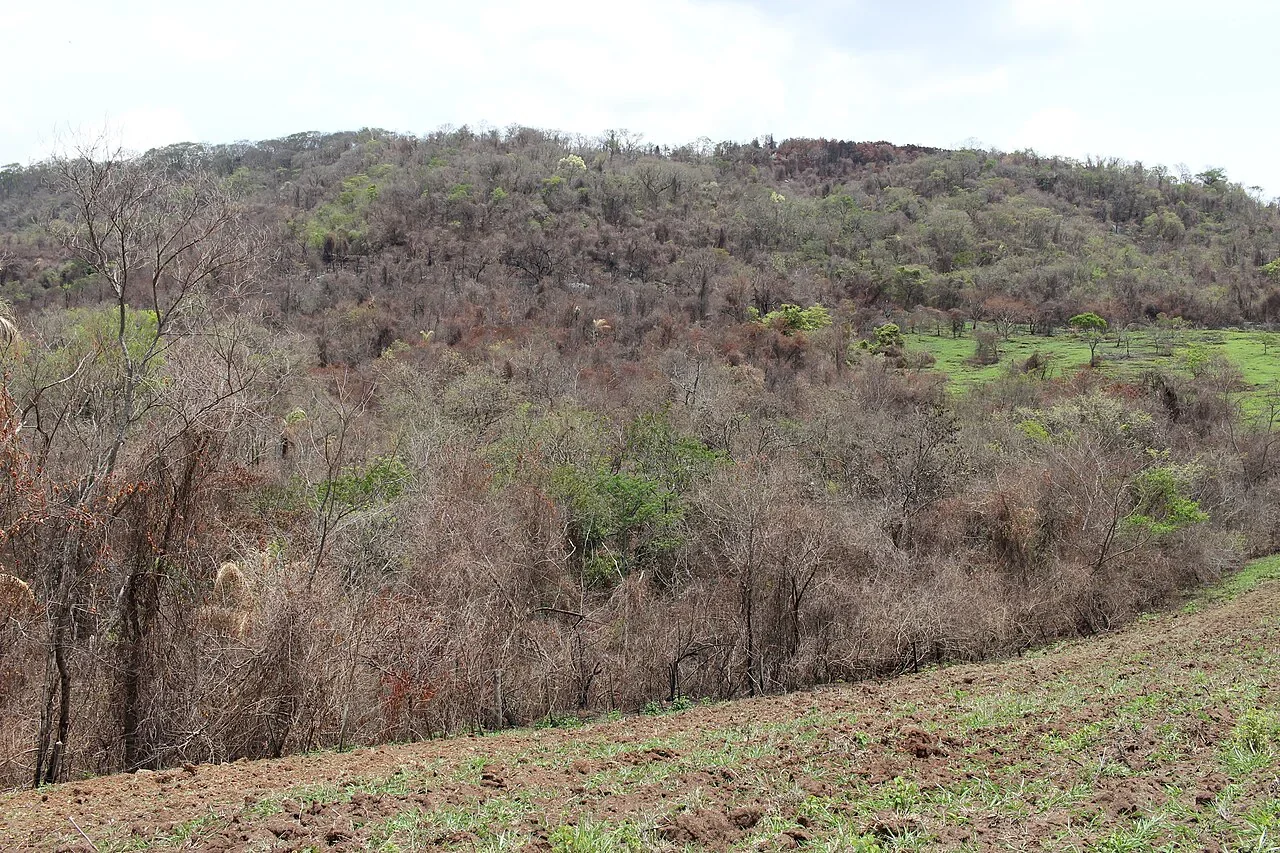
Planting a tree can be a meaningful response to climate change, but a seedling is not an instant carbon offset. Trees take time to grow, need conditions suited to their species and can be lost to drought, pests, fire or land-use change. Their value is clearest when they fit the place and are cared for over time, alongside efforts to reduce the emissions driving warming.
Trees store carbon as they grow
Trees take in carbon dioxide through photosynthesis and use carbon in their wood, roots and leaves. Some carbon also enters soil as organic matter. This makes forests and other vegetation part of the carbon cycle, but the amount held in a particular place changes with growth, death, decay and disturbance.
Human activities, especially fossil fuel burning, have raised heat-trapping greenhouse gas levels and driven long-term warming. [1] Trees can remove some carbon from the air as they grow, but they do not undo every emission immediately, and their storage is not guaranteed to last.
Place determines whether a planting lasts
A tree suited to local climate, soil, water availability and surrounding habitat has a better chance of establishing than one chosen only for rapid growth. Planting in a naturally open ecosystem can also cause ecological harm, so “more trees everywhere” is not a sound rule. Local ecological guidance can help identify where trees belong and which species are appropriate.
A hypothetical neighborhood planting on a dry, exposed site might need a different species mix and establishment plan than a planting beside a stream. The decision depends on local conditions and the intended habitat, not on a universal species list or a fixed watering calendar.
A tree’s climate benefits are broader than carbon
Trees can provide shade, intercept rain and support habitat. In a street, canopy may make a walkway more comfortable; in a yard, a well-placed tree can shade a building during hot periods. These are local benefits with their own practical value, separate from the question of how much carbon a tree stores.
The climate benefit can also be lost if a tree is planted where it conflicts with infrastructure or cannot be maintained. Before planting, consider mature size, available rooting space, overhead utilities and the care the site can realistically support. For digging, arrange utility location through the appropriate local service before breaking ground.
Why tree planting cannot replace emission cuts
Carbon dioxide from fossil fuels accumulates in the atmosphere, while a young tree takes years to build substantial biomass. Storage can also be reversed if the tree or forest is lost. The United Nations’ net-zero explanation accordingly places deep emission cuts first, with durable removals balancing only a small residual amount. [2] That distinction helps avoid treating planting campaigns as permission to keep avoidable emissions unchanged.
If an organization advertises trees as compensation for its footprint, ask how it measured emissions, what direct reductions it made, what land is involved and how long protection and monitoring will continue. A tree count alone does not answer whether the carbon was removed, how much, or for how long.
Choose a planting action that can be sustained
For a homeowner or community group, the next useful step is to check local planting advice and select a site that can support the tree through establishment and maturity. Plan who will care for it, consider drought and heat conditions, and choose a species appropriate to the local ecosystem. Where planting is not suitable, protecting existing trees or improving care for them may be a better fit.
The strongest climate response pairs healthy landscapes with reductions in fossil-fuel use. A tree can contribute to carbon storage and everyday resilience, but its success is measured over years of survival and care. Start with the place: what belongs there, and who can look after it?
Follow the evidence
Primary sources used in this story. Practical examples are illustrative unless a source states otherwise.
Read our editorial standards. Have a correction? Identify the article and relevant source in your feedback to the site owner.