tree day
Guide
Weather vs climate?
Weather describes short-term atmospheric conditions; climate describes the patterns and averages that emerge over decades. Keeping the timescales distinct helps explain why a cold day can occur during a warming trend.
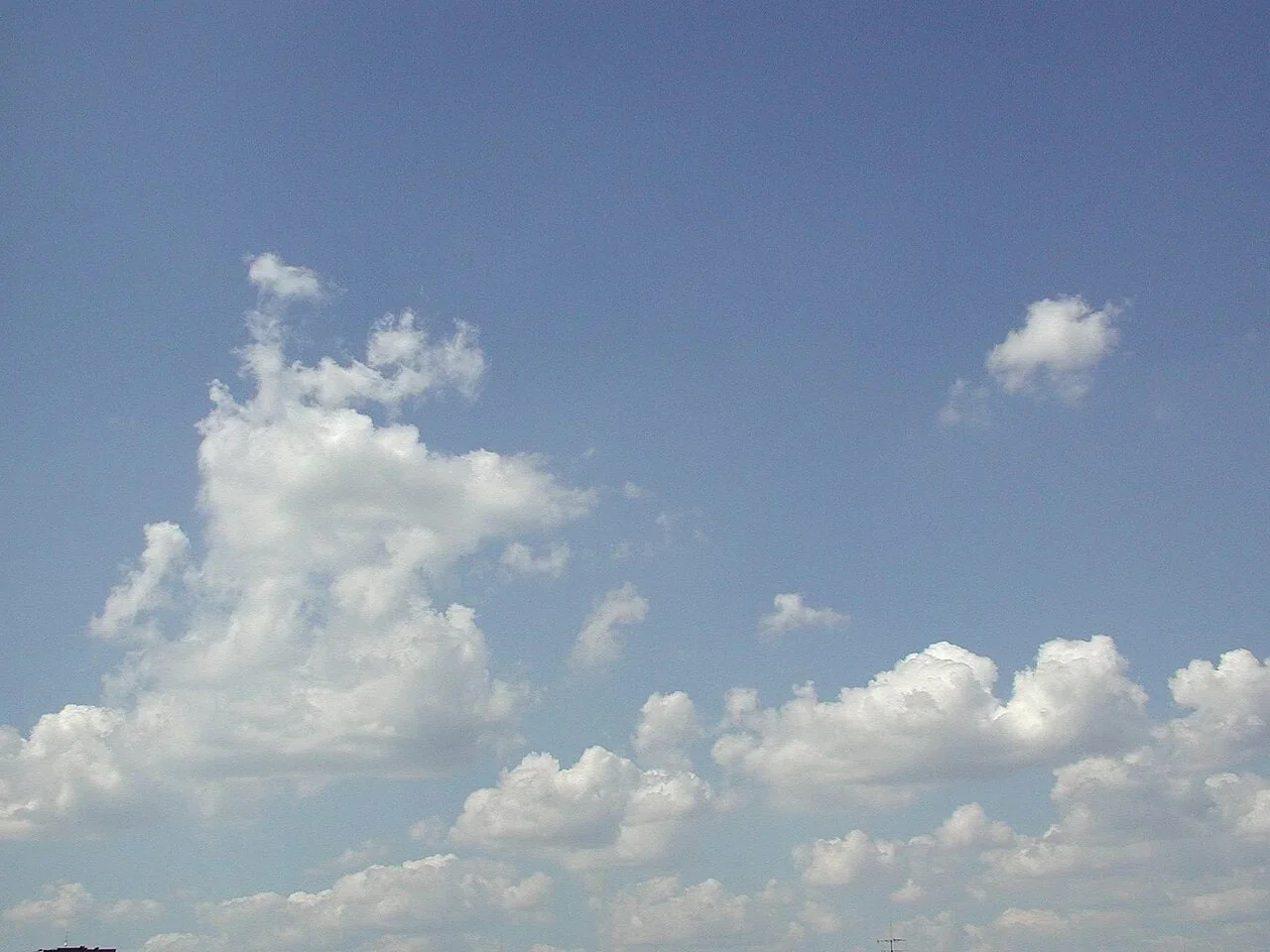
A cold morning and a warming climate can both be true. Weather is what the atmosphere is doing over minutes, hours or days; climate is the longer-term pattern of temperature, rainfall and other conditions. The distinction is useful whenever a single storm, heat wave or snowy winter is used to make a claim about a trend that takes many years to measure.
Use the timescale that fits the question
If you want to know whether to bring a raincoat tomorrow, you need a weather forecast. If you want to know what rainfall patterns a region tends to experience across decades, you are asking about climate. NASA describes weather as local conditions over short periods and climate as long-term averages and patterns, usually considered over at least 30 years. [1] The two terms refer to related parts of the same system, but they answer different questions.
A forecast can change from one day to the next because the atmosphere is variable. Climate statistics smooth out much of that short-term variation and help describe what is typical or how a pattern has shifted. A cold week does not cancel a long-term warming trend, just as a hot afternoon cannot by itself establish one. To evaluate a trend, observations must be considered across enough time and area to separate persistent change from ordinary fluctuations.
Why the distinction matters in conversation
People often reach for a recent experience because it is vivid: a snowy holiday, a record warm afternoon or a season when rain seemed to arrive late. Those experiences can be real and worth discussing, but one example cannot answer a question about a long-term average. A useful follow-up is: are we talking about this event, the odds of events like it, or the pattern across decades? Each question needs evidence at a different scale.
For example, imagine a town has a week of heavy rain after several dry months. The week describes weather; it does not alone reveal whether the town’s climate is becoming wetter, drier or more variable. A planning team would examine long records and relevant local assessments. NASA notes that climate records include indicators such as temperature, sea level, ice loss and changes in precipitation and extreme weather. [1]
Climate influences the range of weather
Climate is not a promise that every day will match an average. It describes the broad conditions within which weather varies. A region with cold winters still has warm days, and a generally dry region can still experience intense rain. Long-term changes can shift the background conditions and influence patterns, but they do not determine the exact sequence of weather on a given date.
NASA defines climate change as a long-term change in average weather patterns at local, regional or global scales. [1] Its overview says human activities, particularly fossil fuel burning, have driven the warming observed since the mid-20th century. Natural variability also affects climate. [1] This means a particular event should not automatically be labeled as caused by climate change; attributing an event requires analysis of how the changing background affects its probability or intensity.
Weather forecasts and climate projections
Weather forecasts estimate near-term atmospheric conditions and are most useful for immediate choices: travel, outdoor work or whether to protect a garden from frost. Climate projections address possible long-term patterns under specified assumptions. They can inform planning for buildings, water systems and ecosystems, but they do not predict the weather on a particular date decades from now.
Confusing the two can create false certainty in either direction. A climate projection should not be read as a street-level forecast, and a forecast cannot resolve what the long-term trend will be. For a current heat, smoke, water or emergency decision, use official local guidance. For long-range planning, use climate information appropriate to the location and decision.
A simple way to check a claim
When someone says “the weather proves the climate,” ask how long the observation lasted and how wide an area it covers. Then ask what comparison is being made. A report about a local storm may be accurate without saying anything decisive about a global trend. Conversely, a global average does not tell a household exactly what tomorrow will feel like at its front door.
Keep the terms straightforward: weather is the short-term state; climate is the long-term pattern. NASA scientists use observations from the ground, air and space, alongside models, to study both past and future climate. [1] The next time a striking day becomes evidence in an argument, first decide whether the question is about the event or the pattern.
Follow the evidence
Primary sources used in this story. Practical examples are illustrative unless a source states otherwise.
Read our editorial standards. Have a correction? Identify the article and relevant source in your feedback to the site owner.