tree day
Guide
What is climate adaptation?
Climate adaptation means adjusting systems and daily decisions to reduce harm from climate impacts. It addresses exposure and vulnerability, complements emissions cuts and works best when plans reflect local risks and community needs.
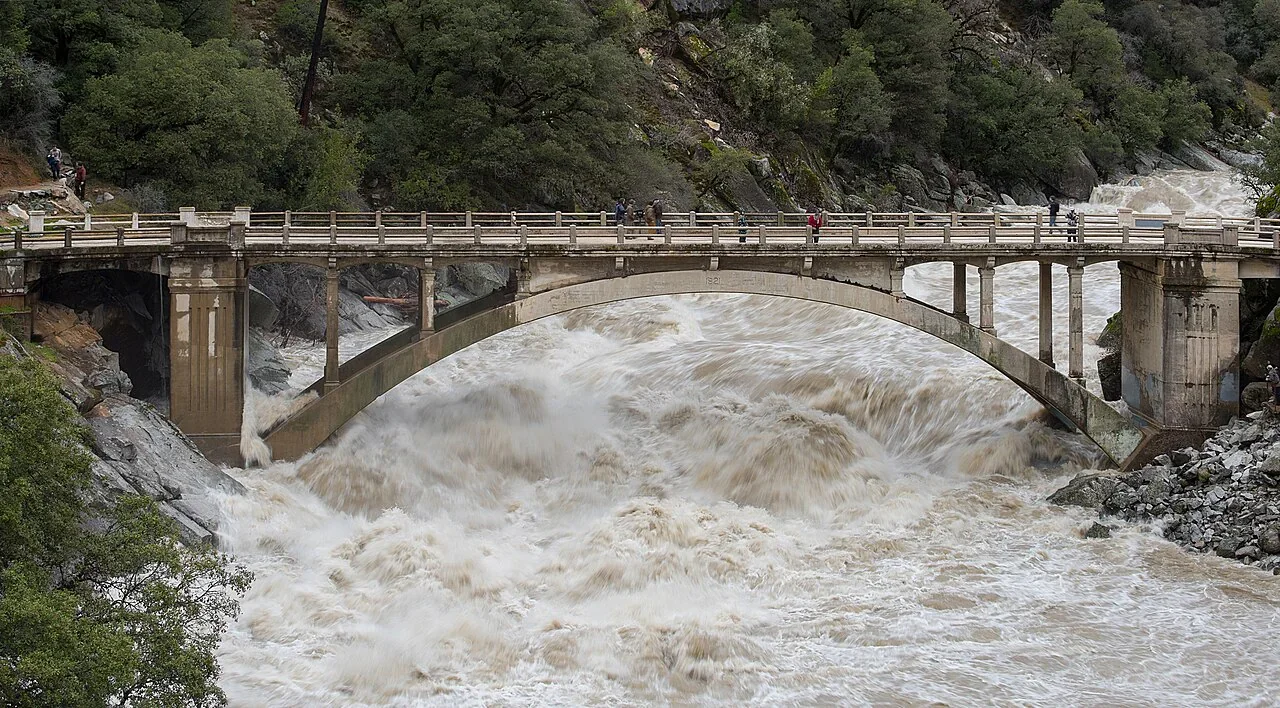
Climate adaptation is the process of adjusting to actual or expected climate conditions so people and ecosystems are less exposed to harm. It can mean preparing buildings for heat, managing water differently or protecting a coastline. The right response depends on local hazards and who is most vulnerable; adaptation is not a substitute for reducing greenhouse gas emissions.
Prepare for conditions, not a single forecast
Climate describes long-term patterns, while weather refers to short-term conditions such as rain, wind or a heatwave. NASA notes that climate is generally assessed over decades and that climate change affects indicators including temperature, sea level, ice and precipitation patterns. [1] Adaptation uses that broader context to make decisions robust to changing conditions; it does not mean a seasonal outlook predicts the exact weather in a particular place.
A city might consider how hotter periods affect homes, public spaces and people who work outdoors. The planning question is not whether a specific street will experience a particular event on a particular date, but which conditions could create harm and what measures could reduce it. Local observations and official guidance matter because exposure differs block by block.
Reduce risk by changing exposure or vulnerability
Adaptation can reduce exposure—for example, keeping essential services away from known flood-prone areas—or reduce vulnerability, such as ensuring a building can remain usable during heat. Nature-based approaches may also be relevant where local ecology and land conditions support them. The measures should respond to the actual hazard; a strategy for coastal flooding will not automatically solve drought or extreme heat.
Consider a hypothetical household in a region where hot days are becoming a concern. It might learn which rooms stay coolest, identify a nearby public cooling space and ask a landlord about shading or ventilation improvements. Those actions do not eliminate the hazard, and safety decisions should follow official local heat guidance. They are examples of reducing exposure and improving the ability to cope.
A plan should account for unequal impacts
The same climate hazard does not affect everyone equally. A person with limited mobility, a worker exposed outdoors, a household without reliable cooling, or a community with constrained access to services may face different risks. Adaptation planning therefore needs to ask who benefits, who bears costs, and whether the plan is accessible to people most affected.
A flood barrier, for example, may protect one area while changing water movement elsewhere. A cooling investment may not help residents who cannot reach it. These are reasons to examine consequences and maintenance, not reasons to reject adaptation as a whole. A useful plan has an identified hazard, a defined group it is meant to protect, and a way to revisit whether it is working.
Adaptation has limits and needs upkeep
No measure can guarantee protection from every future condition. A design based on outdated assumptions may fail as climate and land use change; a protective asset may need maintenance or may shift risk beyond its boundary. Plans should be reviewed as local evidence and infrastructure conditions change. They should also make uncertainty clear instead of presenting a projection as a precise promise.
Some choices involve trade-offs between immediate protection, long-term flexibility, cost and ecological effects. For a household, a temporary measure may be practical while a building owner or local authority considers larger upgrades. For a community, the next step may be a local risk assessment or emergency plan. The appropriate action depends on local conditions and official advice, especially during emergencies.
Start with one local question
Adaptation can sound abstract until it is tied to a place and a hazard. Ask: what climate-related condition is already affecting this area, what could make it more harmful, and who has the least ability to respond? The answers might point to shade, drainage, water management, building resilience or communication systems. Each requires local expertise; no universal prescription fits every climate or neighborhood.
A grounded next step is to consult your local government or trusted regional climate and emergency resources for hazards identified in your area, then ask which household or community decision can reduce exposure now. That keeps adaptation focused on practical protection while recognizing that emissions reductions remain necessary to limit future change.
Follow the evidence
Primary sources used in this story. Practical examples are illustrative unless a source states otherwise.
Read our editorial standards. Have a correction? Identify the article and relevant source in your feedback to the site owner.