tree day
Guide
What is a climate tipping point?
A climate tipping point is a threshold beyond which a system can shift substantially, sometimes with self-reinforcing change. Learn how it differs from ordinary variation and why it matters for decisions.
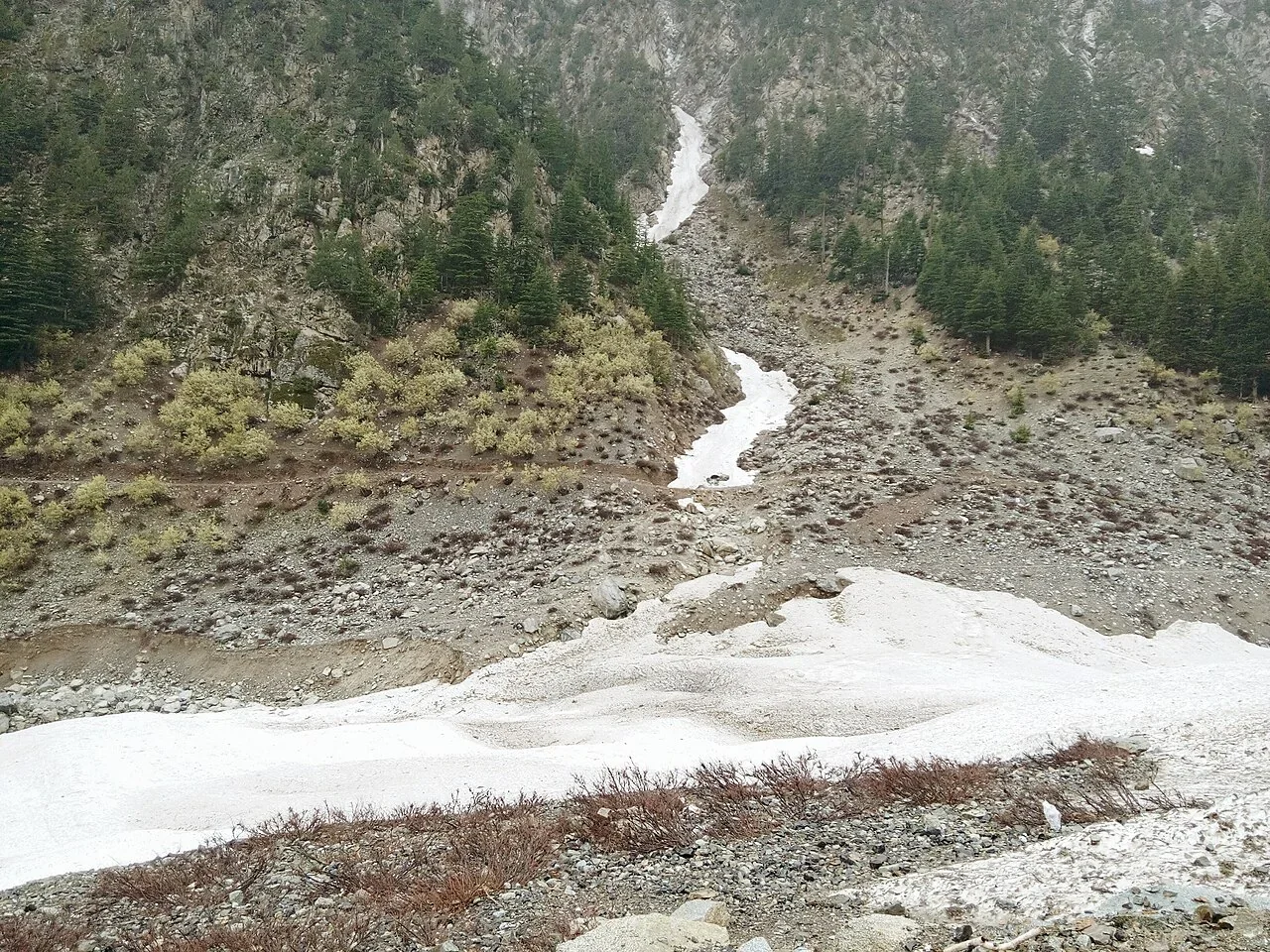
A climate tipping point is a threshold at which a part of the climate system can shift into a substantially different state, potentially with change that continues through feedbacks. The phrase does not mean that every climate impact is sudden or that scientists can name an exact date for a tipping event. It describes a risk: gradual pressure may push a system past a point where its own dynamics make a major change difficult to reverse.
A threshold changes the system's behavior
Many climate changes unfold gradually as averages shift. A tipping point differs because crossing a threshold can trigger a larger transition, sometimes faster than the pressure that began it. The system may then behave differently even if the original pressure stabilizes. This distinction is why the term is about a possible change in system state, not simply an unusually hot day or a severe storm.
The phrase is used across complex systems, and the relevant threshold depends on which system is being discussed. It should not be treated as a universal temperature line that applies equally to every ecosystem or climate process.
Feedbacks can amplify an initial change
A feedback occurs when a change influences conditions in a way that strengthens or weakens the original change. NASA explains that warming can increase atmospheric water vapor, which can contribute to further warming, an example of an amplifying feedback. [2] In a tipping risk, feedbacks may help carry a system farther from its earlier state after a threshold is crossed.
Not every feedback produces a tipping point. Some feedbacks are limited or counteracted by other processes, and climate systems contain many interacting influences. The concept is most useful when researchers can describe the system, the possible reinforcing mechanisms and the uncertainties around thresholds.
Tipping risk is different from a precise forecast
A tipping point is not the same as a forecast that a particular event will happen on a certain date. Climate science combines observations and models to study past, current and future change, but the complexity of natural systems means uncertainty remains around some thresholds and their timing. [1] Uncertainty does not mean the risk is imaginary; it means the range of plausible outcomes needs careful treatment.
A common mistake is using the phrase as shorthand for an imminent catastrophe without specifying the system or evidence. Another is dismissing a risk because its precise threshold is uncertain. Good explanations state what could change, what feedback may matter, and what scientists do and do not know.
Why gradual warming can raise concern
Human activities, especially fossil fuel burning, have increased greenhouse gas concentrations and driven the warming trend observed since the mid-20th century. [1] As pressure on climate systems grows, the possibility of substantial shifts becomes relevant to long-term planning. The exact risks vary by system and cannot be inferred from the global temperature trend alone.
The practical value of the tipping point idea is that it draws attention to changes that could be hard to reverse on human timescales. It encourages decision-makers to consider not only average impacts but also threshold behavior, feedbacks and consequences that may persist after the initiating conditions change.
Use the concept carefully in everyday decisions
For a reader, the term can help frame questions about long-lived choices: what systems does a community depend on, what changes could make those systems less reliable, and how might reducing emissions lower future pressure? NASA's explanation of greenhouse gases describes how human emissions slow heat loss to space. [2] Cutting those emissions addresses the driver of warming, though it does not guarantee avoidance of every threshold risk.
When encountering a claim about a tipping point, look for the system named and the mechanism described. Then distinguish a documented change from a projection or a possibility. A grounded next step is to rely on careful scientific assessments for the specific system rather than treating a dramatic phrase as a date-stamped prediction.
Follow the evidence
Primary sources used in this story. Practical examples are illustrative unless a source states otherwise.
Read our editorial standards. Have a correction? Identify the article and relevant source in your feedback to the site owner.