tree day
Guide
Do you need to wash recycling?
Usually the aim is to empty containers and remove enough food residue to meet local instructions, not to scrub every item spotless. Rinsing can help with accepted containers, but preparation rules vary by program.
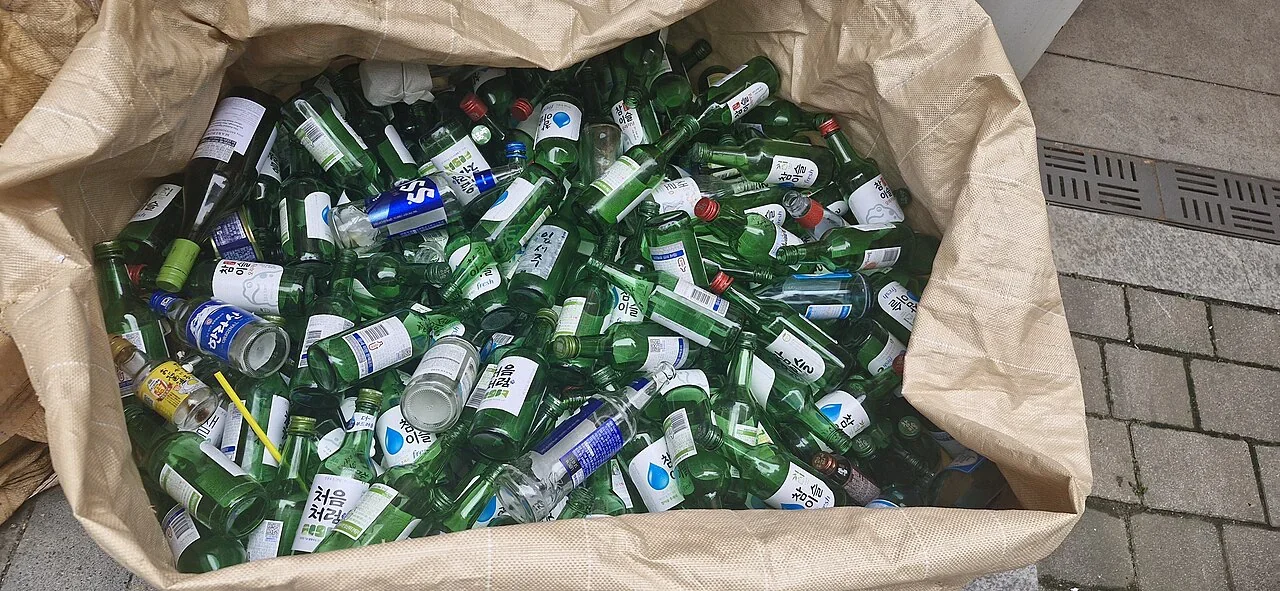
A recycling container usually does not need a full sink-side wash, but leaving food and liquid inside can create problems. For accepted packaging, the practical goal is to empty it and remove substantial residue when local instructions call for it. A quick scrape or rinse may be enough; the exact standard depends on the item and the program that collects it.
Clean enough for the material stream
Food residue can contaminate collected materials, attract pests, or make sorting and storage unpleasant. EPA’s guidance says food debris prevents plastic containers from being recycled and advises scraping or rinsing residue from containers when the local program accepts them. It describes paper and cardboard food containers as dependent on how much food remains, and says food scraps should be removed from pizza boxes. [1] That points toward “empty and reasonably clean,” not a requirement to make every package look unused.
The item still has to be accepted in the first place. A carefully washed plastic cup may remain excluded from a local program; washing cannot change its material or create a processor for it. Start with the local list, then prepare the accepted item according to its directions. If the provider says empty containers are enough, there is no reason to use extra water chasing a spotless finish.
Scrape, rinse, and dry as needed
For a container with a smear of sauce, scraping it into food waste or trash may remove most residue without running a tap. If sticky or oily material remains, a brief rinse may help, particularly when multiple items can be rinsed together using water already used for dishes. Let containers drain if the program asks for dry materials. Avoid pouring leftover cooking oil or hazardous liquids down a drain; those materials have separate handling guidance.
EPA uses the phrase “spatula-clean” for some paper and cardboard takeout containers: remove the bulk of food, and the remaining light residue does not necessarily make the container unrecyclable under its general guidance. [1] Local rules may be stricter or may exclude certain coated containers altogether. The useful distinction is between a trace of residue and enough food to foul the material or attract pests.
Different items need different preparation
A cardboard box usually needs flattening, while a bottle may need to be emptied and, depending on local directions, have its cap left on. EPA says plastic bottle caps and labels can typically remain, but metal caps should be separated from glass bottles under its general recommendations. [1] Those examples are reminders to consult the local list rather than assuming every material follows the same washing rule.
Not every recyclable-looking item belongs in the curbside cart. Plastic bags and films may have a retail drop-off route instead; batteries and electronics need designated collection. [1] Washing such items does not make them appropriate for ordinary recycling. Likewise, food scraps are not packaging recyclables. EPA recommends preventing food waste and composting scraps where an available system accepts them. [2]
Avoid the common over-washing mistake
A common mistake is treating recycling preparation like dishwashing: hot water, soap, and repeated scrubbing for every jar, tub, and can. That uses extra water and time without necessarily improving the outcome. At the other extreme, placing half-full containers or food-covered packaging in a bin can contaminate materials or make a collection unpleasant. Aim for the minimum preparation your provider requests, and separate packaging from food scraps before collection.
Imagine a household sorting a jar, a pizza box, and a plastic tub after dinner. The jar may need to be emptied and briefly rinsed if accepted; the pizza box can have loose food removed and flattened if the local program takes it; the tub should first be checked for acceptance, then scraped or rinsed if needed. The actual steps vary by community. Keep the local instructions near the bin, and when the guidance is silent, ask whether a quick emptying is sufficient before using more water.
Follow the evidence
Primary sources used in this story. Practical examples are illustrative unless a source states otherwise.
Read our editorial standards. Have a correction? Identify the article and relevant source in your feedback to the site owner.