An independent journal for a living planetMonday, 2 November 2026
tree day.

A greener world.
A life well lived.

IDEAS TO TAKE INTO EVERYDAY LIFE

The reading room

Explore practical guides on trees, climate, gardens, wildlife, water, food, homes and community life.

321 articles

Photo credits & licence

Seasons & outdoor life · Guide

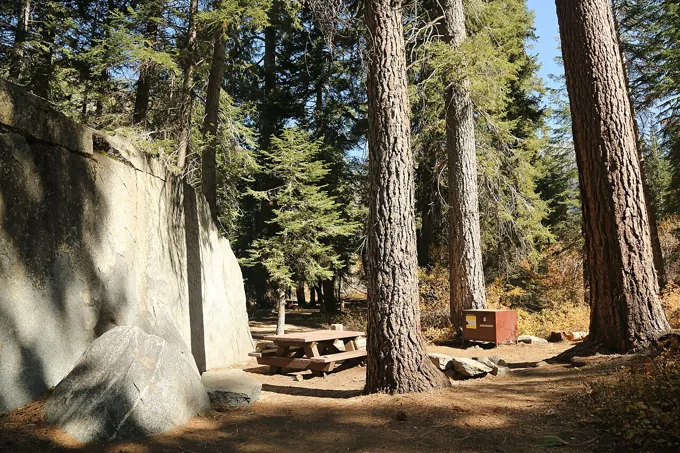
How to plan outdoor activities in heat?

Plan a heat day around current local conditions, access to shade and a simple option to shorten or cancel. A forecast helps with timing, while official local guidance should direct decisions during heat alerts or emergencies.

· 3 min 8 sec read ↗

Photo credits & licence

Waste & circular living · Guide

How to plan meals to reduce waste?

Plan meals around the food you already own, the number of meals you will eat at home, and quantities you can finish. A flexible plan that includes a use-first meal and realistic leftovers can reduce waste without requiring a rigid weekly menu.

· 3 min 26 sec read ↗

Photo credits & licence

Homes & energy · Guide

How to plan an energy upgrade?

Plan an energy upgrade by identifying the problem, assessing the home, and prioritizing work that fits its condition and climate. A sequence matters because one improvement can affect the value or design of the next.

· 3 min 19 sec read ↗

Photo credits & licence

Seasons & outdoor life · Guide

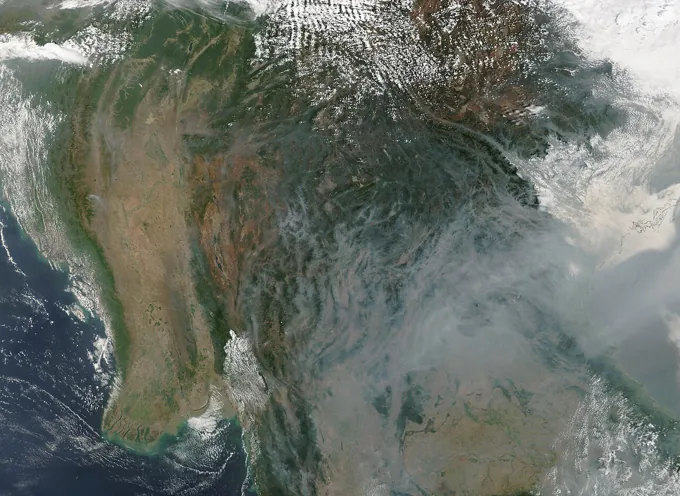
How to plan a smoke aware outdoor day?

A smoke-aware day plan starts with current local air-quality information, a flexible schedule and an indoor alternative. Learn how to make decisions before leaving and adapt them if conditions change.

· 3 min 7 sec read ↗

Photo credits & licence

Gardens & growing · Guide

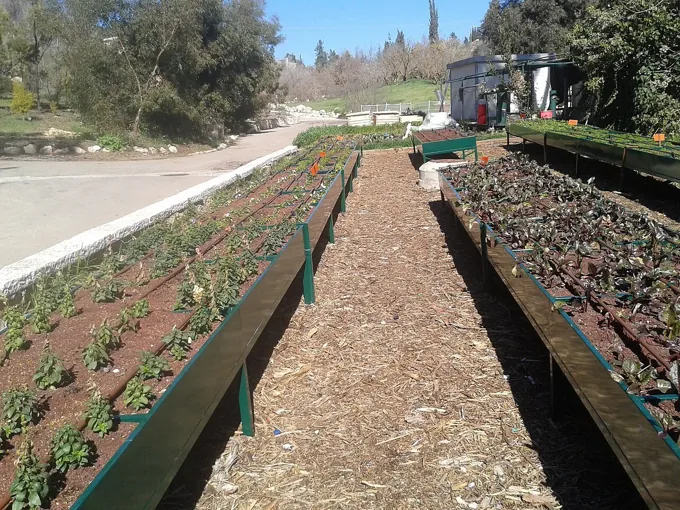
How to plan a school garden?

A school garden is easier to sustain when its size, access, watering and care fit the school day. Start with a small, reachable growing area, decide who maintains it during breaks, and choose plants for local conditions.

· 4 min 19 sec read ↗

Photo credits & licence

Seasons & outdoor life · Guide

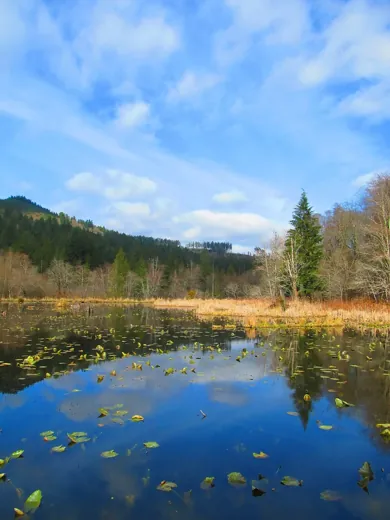
How to plan a nature walk?

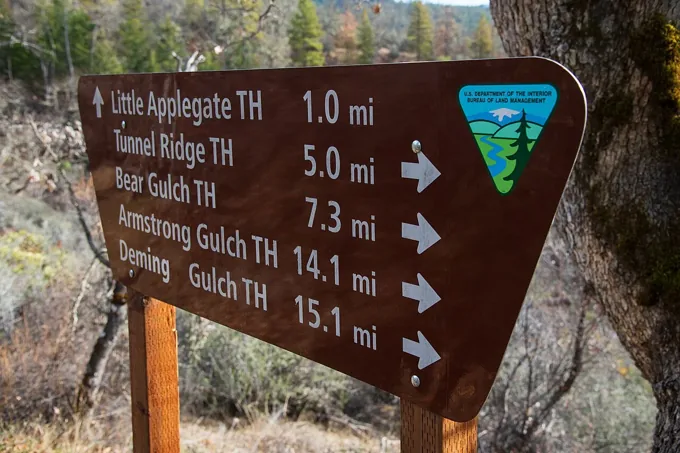
Plan a nature walk by choosing a route that fits the group, checking local conditions, and deciding how to travel without disturbing wildlife or plants. A simple itinerary leaves room to notice what is there and adapt along the way.

· 3 min 15 sec read ↗

Photo credits & licence

Food & land · Guide

How to plan a low waste picnic?

A low-waste picnic begins with a realistic headcount, a menu that uses ingredients fully and a packing plan that favors what you already own. Make disposal arrangements locally, since recycling and compost acceptance differ by place.

· 3 min 11 sec read ↗

Photo credits & licence

People & places · Guide

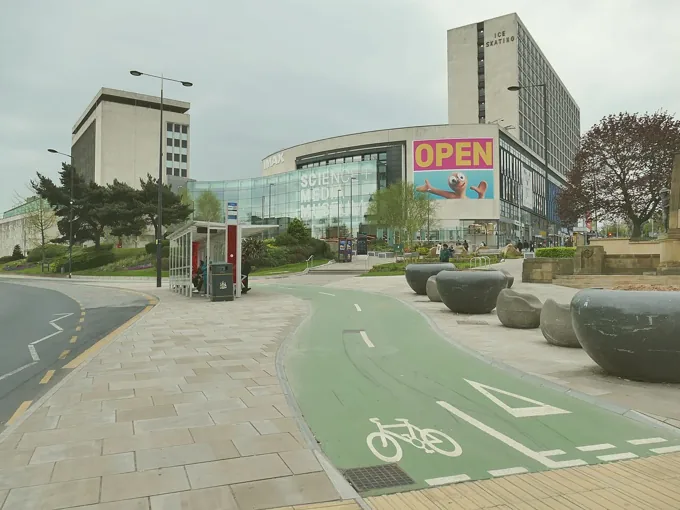
How to plan a bike commute?

Plan a bike commute by testing a route that suits your confidence, checking access and storage at both ends, and preparing for weather and practical needs before making it routine.

· 3 min 20 sec read ↗

Photo credits & licence

Seasons & outdoor life · Guide

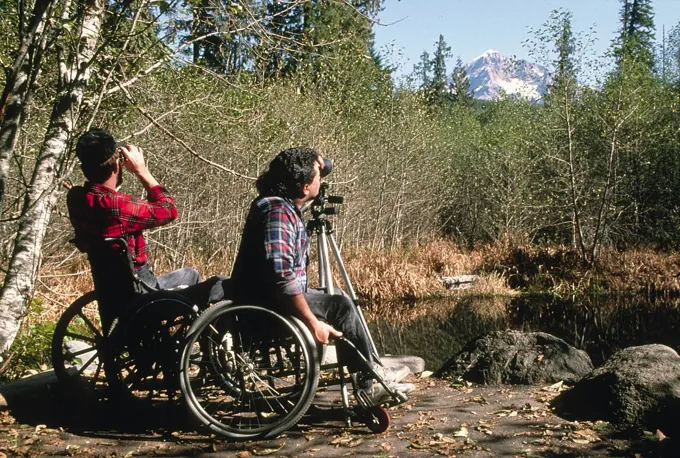
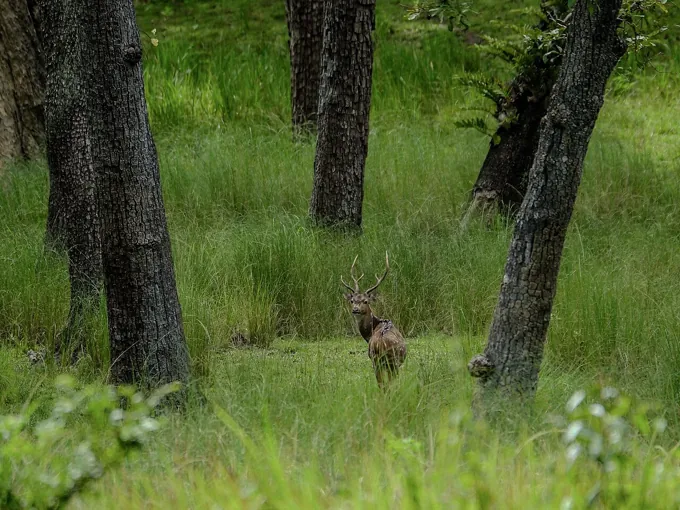
How to photograph wildlife ethically?

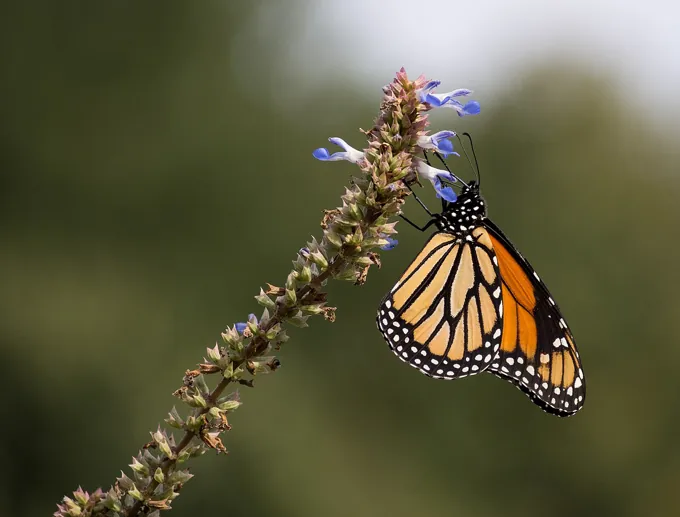
Ethical wildlife photography lets the animal’s behavior set the distance and duration of the encounter. Stay on permitted routes, avoid baiting or pursuit, and be ready to put the camera away when your presence changes what the animal is doing.

· 3 min read ↗

Photo credits & licence

Waste & circular living · Guide

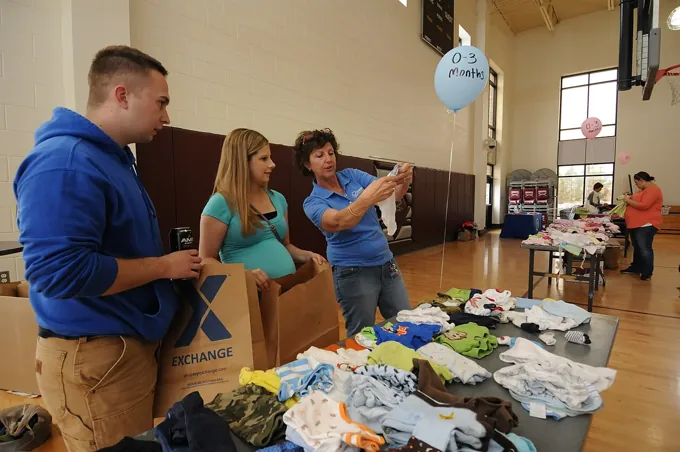
How to organise a swap event?

A successful swap event sets clear item rules, limits how much each person brings, and gives leftovers a planned destination. Start with the audience and venue, then design a fair flow that leaves people with useful goods rather than another pile to sort.

· 3 min 8 sec read ↗

Photo credits & licence

People & places · Guide

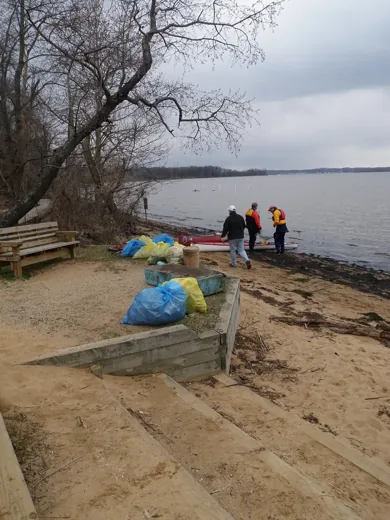
How to organise a river clean up?

A river clean up requires a site-specific plan for access, land permission, water conditions, waste handling and volunteer limits. Keep the event on safe ground and refer hazards or water-quality concerns to the appropriate local authorities.

· 3 min 36 sec read ↗

Photo credits & licence

Waste & circular living · Guide

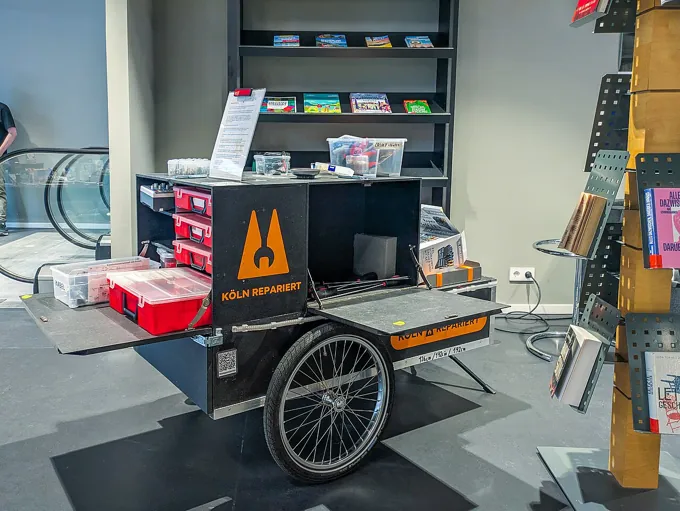
How to organise a repair cafe?

A repair café works best as a small, clearly scoped event where visitors and volunteer repairers assess items together, share skills and decide when a repair is unsafe or impractical. Plan intake, tools, safety boundaries and the next step for unrepairable goods.

· 3 min 23 sec read ↗

Photo credits & licence

People & places · Guide

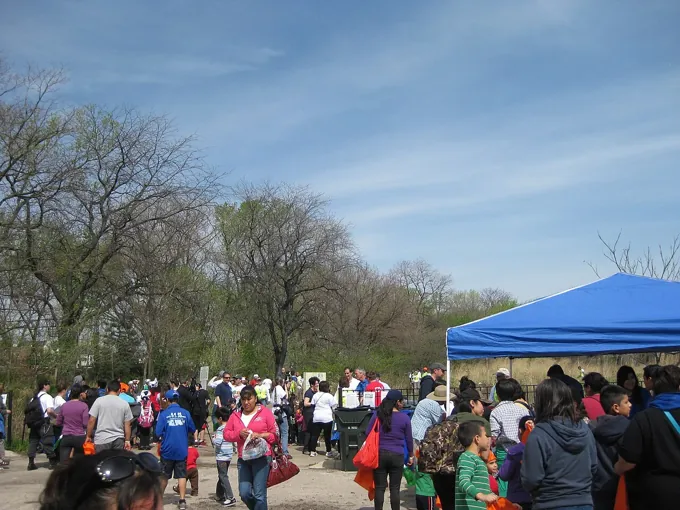
How to organise a community tree planting?

A community tree planting succeeds when the site, species, permissions and long-term care are settled before the event. Plan for the landscape and the people who will maintain it, then make planting day a well-supported part of that plan.

· 3 min 36 sec read ↗

Photo credits & licence

People & places · Guide

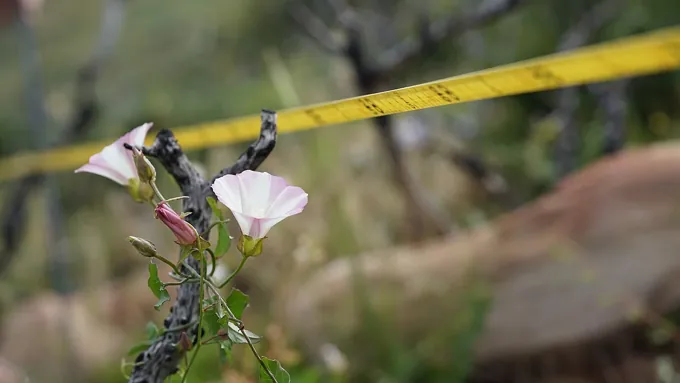
How to organise a biodiversity survey?

A small biodiversity survey is most useful when it defines a place, a repeatable method and clear limits on what observations can show. Plan permissions and safe, non-invasive recording before inviting participants.

· 3 min 5 sec read ↗

Photo credits & licence

Seasons & outdoor life · Guide

How to observe autumn leaf color?

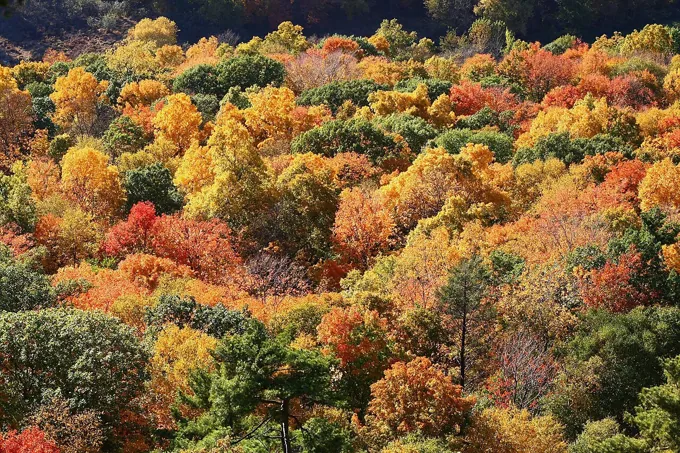
A patient way to notice autumn color is to compare the same trees over time, paying attention to light, weather and differences between species rather than chasing a single peak day.

· 3 min 35 sec read ↗

Photo credits & licence

Wildlife & biodiversity · Guide

How to measure garden biodiversity?

You can track garden biodiversity by observing several kinds of life and habitat in the same way over time. Use a small repeatable survey, record uncertainty and compare like with like rather than treating one species count as a complete score.

· 3 min 54 sec read ↗

Photo credits & licence

People & places · Guide

How to map neighbourhood shade?

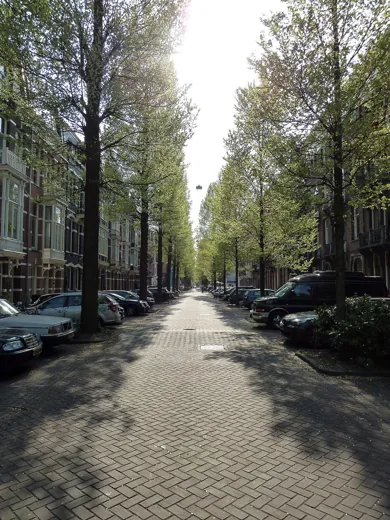
A practical way to record where shade falls, when it matters, and who can use it—so residents can distinguish a useful cooling route from a map that merely marks trees.

· 3 min 45 sec read ↗