tree day
Guide
How to plan a bike commute?
Plan a bike commute by testing a route that suits your confidence, checking access and storage at both ends, and preparing for weather and practical needs before making it routine.
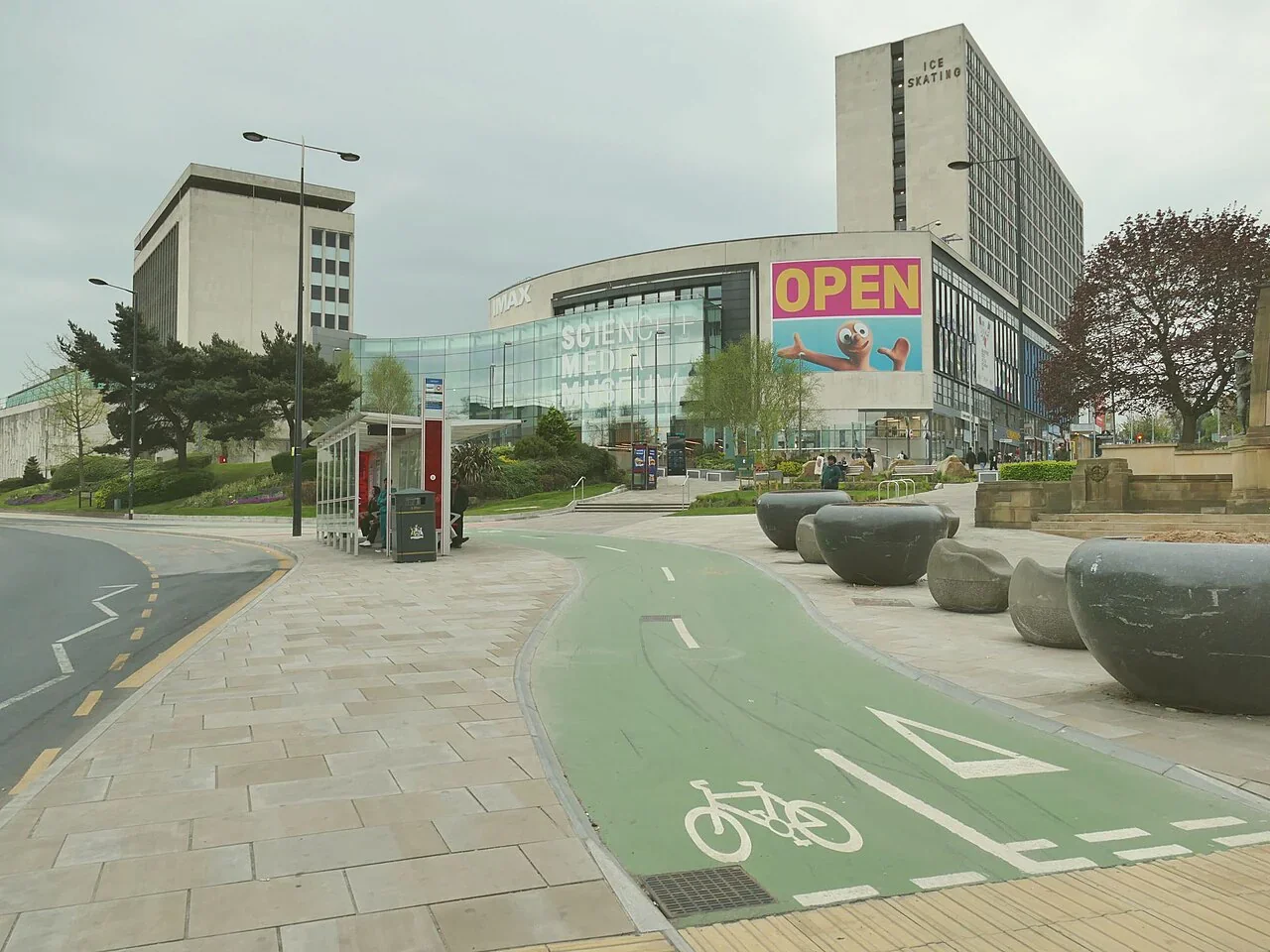
The best first bike commute is usually not the fastest route on a map. It is a route you can ride confidently, with manageable crossings and a workable place to lock the bike at the destination. Before changing your routine, test the trip at a quiet time and check the details that can turn a promising commute into a daily frustration: traffic, storage, clothing, weather and what you need to carry.
Build the route around comfort
Compare route options using street-level conditions, not distance alone. A slightly longer street with lower traffic or a separated path may be more comfortable than a direct road with fast vehicles. Check intersections, surface quality, lighting and places where a bike lane abruptly ends. If you are unsure about a segment, ride it without time pressure or choose a different connection.
A route that feels comfortable to one rider may not suit another. Consider your experience, the type of bike and whether you ride with children or cargo. Identify a fallback route for construction, poor visibility or a blocked path. Do not assume a route is safe simply because a map marks it as a cycle route.
Test the commute in pieces
Ride the route on a day when being late would not matter. Time the full journey, including locking the bike, changing clothes if needed and walking to your desk or appointment. If the trip feels too long, test a shorter leg or combine cycling with transit where the system allows bikes.
For example, imagine a hypothetical commute with a busy bridge in the middle. You could test an alternate crossing on a weekend, or ride to a transit stop on the near side and continue by bus or rail if local rules and space permit. The aim is to discover the real pinch point before it becomes part of a rushed weekday.
Solve the arrival before the departure
Ask where the bike will be stored, whether it can be locked securely, and what happens if the usual rack is full. Check whether you can bring work clothes, a laptop or lunch without an unstable load. A small bag that fits securely can be more comfortable than carrying everything on your back, but the right setup depends on the bike and trip.
If the destination has no suitable storage, ask about alternatives before committing to a daily ride. Some workplaces or buildings may have indoor storage; others may not. A commute plan should include the end point, not only the route through the neighborhood.
Plan for conditions that change
Weather, daylight and air quality can shift the decision. Keep a backup mode for days when heat, smoke, ice or heavy rain makes riding unsuitable, and follow official local guidance for hazardous conditions. The EPA notes that trees and other vegetation can reduce urban heat-island effects; shade can improve comfort on some routes, though it does not make dangerous conditions safe. [2]
A common mistake is to buy equipment before knowing which problem needs solving. Try the route first, then identify what would help: lights for low-light travel, a way to carry essentials, or a rain layer suited to local conditions. Avoid relying on a single setup to handle every season.
Make one change at a time
For the first few weeks, choose one or two days rather than expecting a daily commute immediately. Record what affected the ride: travel time, traffic stress, storage, clothing or the return trip. Adjust one factor at a time so you can tell whether a different route or schedule actually helped.
Street conditions are part of the wider environment people travel through. The EPA describes green infrastructure as a way to filter, infiltrate and evaporate rainwater, with examples including rain gardens and permeable pavement. Such features may affect the feel and function of urban streets, but they are not substitutes for a connected route and safe crossings. [1]
Once the route and arrival work, make it repeatable. Put the next ride on your calendar, keep a realistic backup and review the plan after a season or any major route change.
Follow the evidence
Primary sources used in this story. Practical examples are illustrative unless a source states otherwise.
Read our editorial standards. Have a correction? Identify the article and relevant source in your feedback to the site owner.