tree day
Guide
How to measure garden biodiversity?
You can track garden biodiversity by observing several kinds of life and habitat in the same way over time. Use a small repeatable survey, record uncertainty and compare like with like rather than treating one species count as a complete score.
To measure biodiversity in a garden, record more than the number of flowers or birds you happen to notice. Biodiversity includes variety in ecosystems, species and genes, so a home survey can only capture part of the picture. A practical approach is to choose a few repeatable observations—such as plants, pollinator visits and habitat features—and make them in the same way over time.
Decide what your count can represent
A garden survey is a sample, not a complete inventory of life. The National Park Service describes biodiversity as including all living things and variation from ecosystems to species and genes [1]. A person watching for ten minutes can record visible visitors, but that will not reveal organisms in the soil, species active at other times or genetic diversity. State what you observed and avoid turning a partial count into a single definitive biodiversity score.
Choose a question that fits your space and time. You might ask which flowering plants are visited by insects, how many kinds of birds use the garden, or which habitat features are present. Each question calls for different observations. A list of plant species is not directly comparable with a count of pollinator visits, so keep separate measures rather than combining unlike things into one number.
Make the survey repeatable
Pick a small area and a consistent method. For example, mark a short route around the garden and observe for the same length of time on each visit, noting the date, time, weather as you experience it and what you see. Record the plants in flower, animal visitors and visible features such as bare ground, leaf litter, shrubs or water. You do not need special equipment to begin; a notebook and a simple map can help you return to the same places.
Repeat visits under similar conditions make comparisons more useful, though they still do not control for every difference. A quiet morning and a windy afternoon may produce different observations. Note conditions rather than assuming that a change in sightings means a lasting change in biodiversity. Use a consistent identification standard and mark uncertain records instead of guessing.
A concrete pollinator example
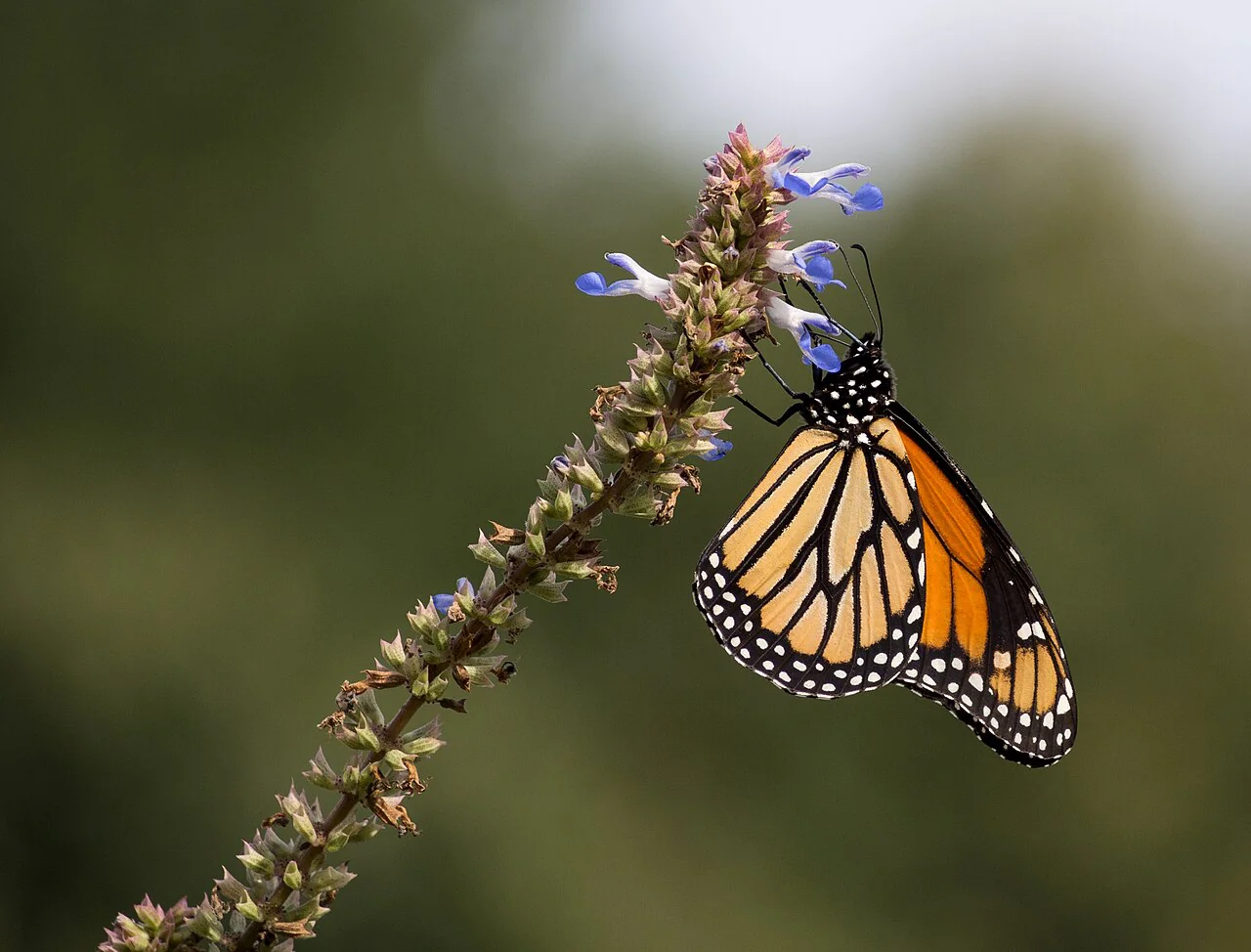
Suppose you want to know whether the flowering section of a garden is being visited. Choose one bed, sit at a spot where you do not block the flowers and record visible visits during a set observation period. Note the plant visited and describe the insect if you cannot identify it. Repeat the same observation on several occasions, making a fresh note each time. You can then compare visits within that bed without claiming the result represents every species or all activity in the garden.
The Fish and Wildlife Service says pollinators provide benefits to people and wildlife and highlights habitat restoration and pollinator science in its conservation work [2]. In a garden, counting visits can help you notice which plants attract observers’ attention, but it does not directly measure pollinator population health. To understand the garden more broadly, pair those notes with plant diversity and habitat features, and keep the limits of each measure clear.
Avoid misleading shortcuts
A common mistake is to treat a larger species list as automatic proof of a healthier garden. Counts depend on observation effort, season, identification skill and what is detectable. Another is to count every visit as a different animal; unless individuals can be reliably distinguished, record visits as visits. Likewise, a non-native species is not automatically invasive. The National Invasive Species Information Center defines invasive species by non-native status together with actual or likely harm [3]. If you notice a plant you do not recognize, check a local authoritative source before labeling it or removing it.
Do not compare a one-time survey with a later survey that used a different area, duration or method. If conditions changed, record that context. A simple, honest record is more valuable than a precise-looking number detached from how it was collected.
Turn observations into a useful next step
After a few rounds, review what you consistently find and what you may be missing. If the garden has few flowers across parts of the season, you might investigate locally suitable planting options. If observers see insects but cannot identify them, consult a regional field guide or a citizen science project with clear identification instructions. The right response depends on your climate, soil, space and local species, so avoid copying a planting list without checking whether it fits.
You can also share observations with a project that accepts records from your area, but follow its protocol and location privacy guidance. The survey’s purpose is to guide a decision, not to produce a universal grade for the garden. Choose one measure you can repeat next month or season, write down how you collected it, and build from there.
Follow the evidence
Primary sources used in this story. Practical examples are illustrative unless a source states otherwise.
- US National Park Service: What is biodiversity? ↗
- US Fish and Wildlife Service: Pollinators ↗
- National Invasive Species Information Center: What are invasive species? ↗
Read our editorial standards. Have a correction? Identify the article and relevant source in your feedback to the site owner.