An independent journal for a living planetMonday, 2 November 2026
tree day.

A greener world.
A life well lived.

IDEAS TO TAKE INTO EVERYDAY LIFE

The reading room

Explore practical guides on trees, climate, gardens, wildlife, water, food, homes and community life.

321 articles

Photo credits & licence

Wildlife & biodiversity · Guide

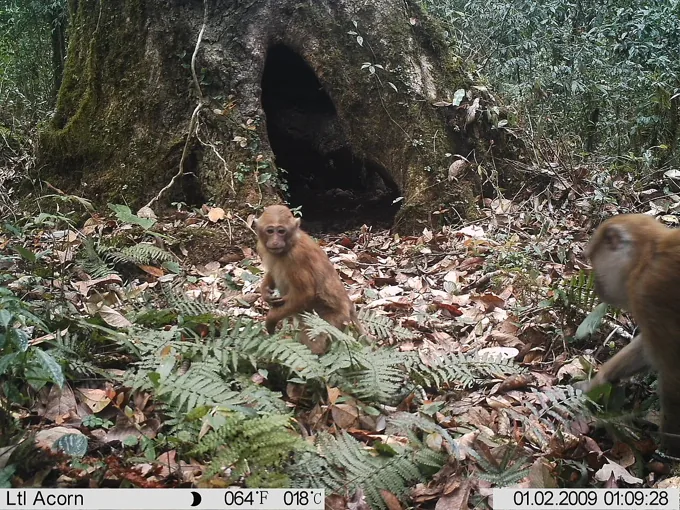
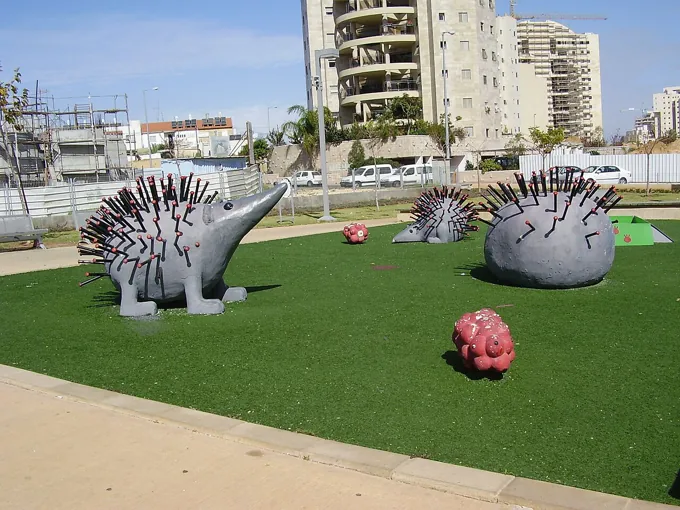
How to support hedgehogs and small mammals?

Support small mammals by preserving connected cover, limiting avoidable hazards, and checking local wildlife guidance before offering food or shelter. The right actions depend on which species live in your region.
· 3 min 35 sec read ↗

Photo credits & licence

Waste & circular living · Guide

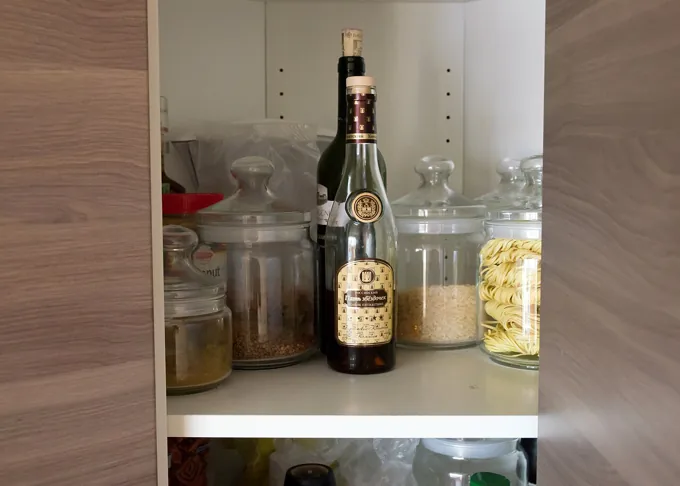
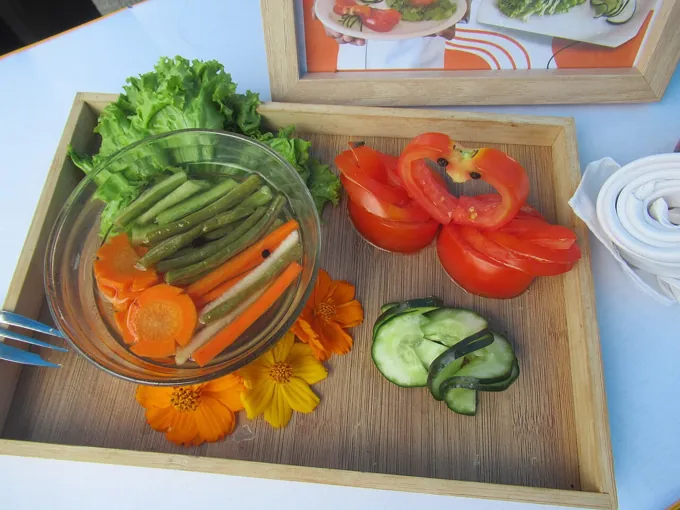
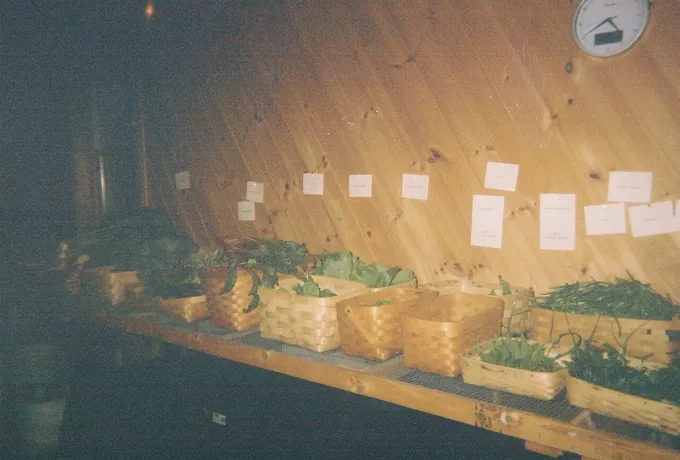
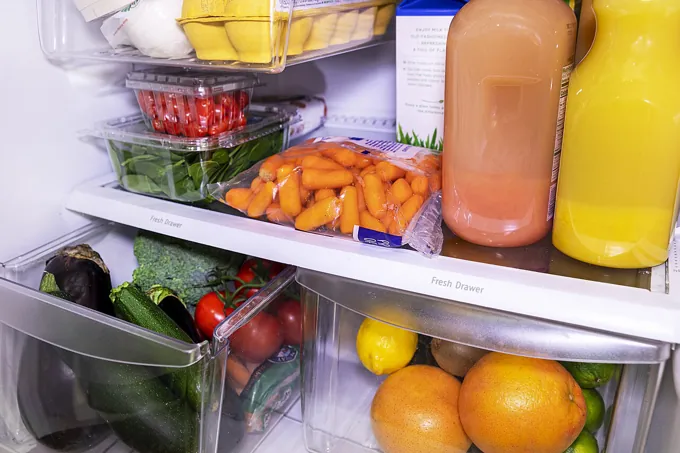
How to store vegetables to reduce waste?

Vegetables last longer when storage matches their needs for temperature, humidity, light and airflow. Use the refrigerator’s drawers and a cool, dry pantry thoughtfully, while checking guidance for the particular vegetable and your home conditions.

· 3 min 21 sec read ↗

Photo credits & licence

Seasons & outdoor life · Guide

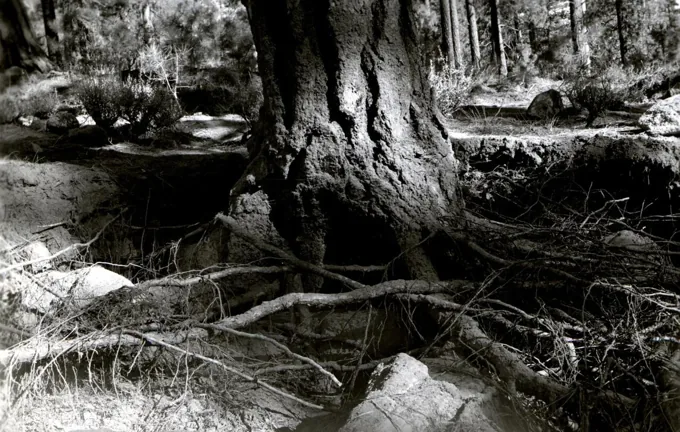
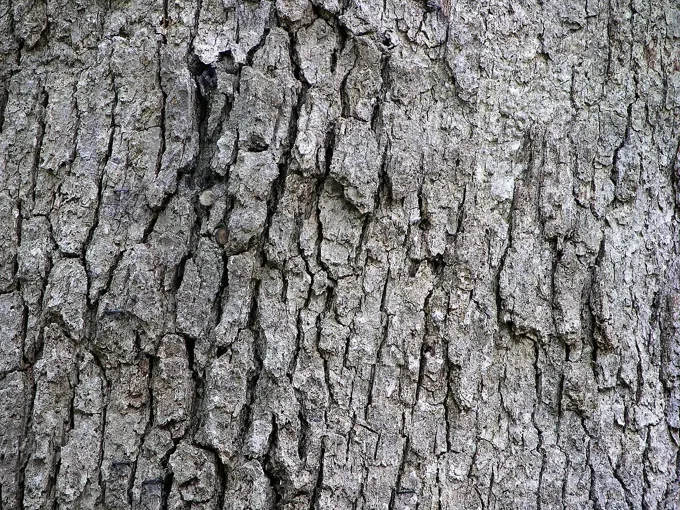
How to start tree spotting?

Learn trees by comparing a few observable features across repeated walks. Begin with leaves, bark, branching pattern and location, then confirm a likely identity with a regional guide instead of relying on one clue.

· 3 min 15 sec read ↗

Photo credits & licence

Waste & circular living · Guide

How to start a zero waste kitchen?

A lower-waste kitchen begins with the food and packaging already moving through your home. Start by noticing what gets discarded, then change one repeatable habit in shopping, storage or cooking rather than replacing everything at once.

· 3 min 35 sec read ↗

Photo credits & licence

Food & land · Guide

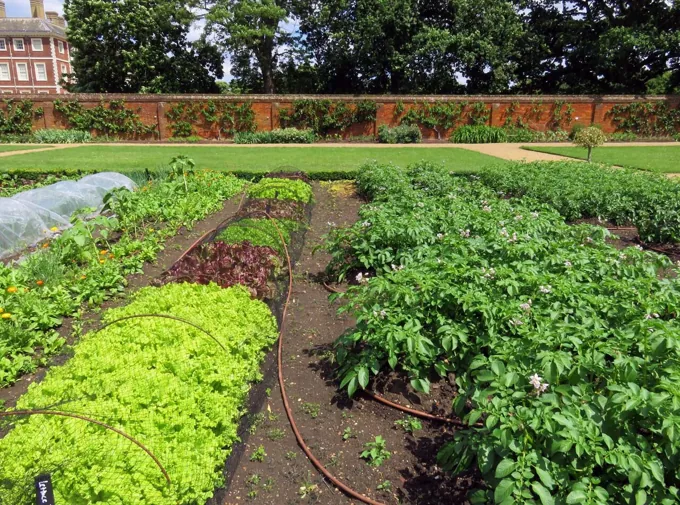
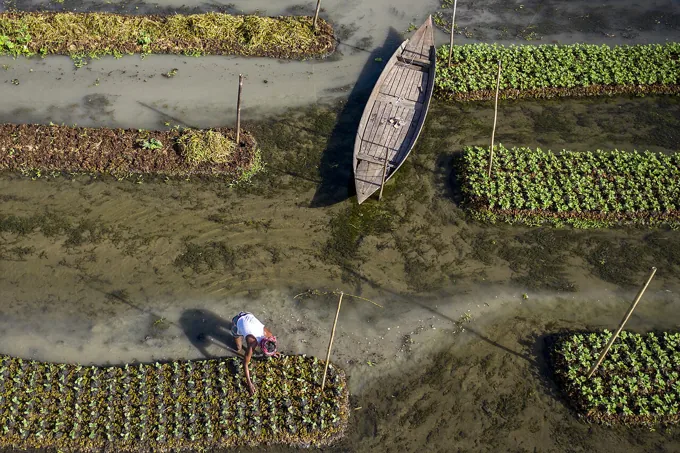
How to start a small kitchen garden?

Start a kitchen garden by matching a few crops to your space, season and available light, then prepare soil or containers for those specific plants. A small harvest you can use beats a crowded bed that demands more care than your routine allows.

· 3 min 27 sec read ↗

Photo credits & licence

People & places · Guide

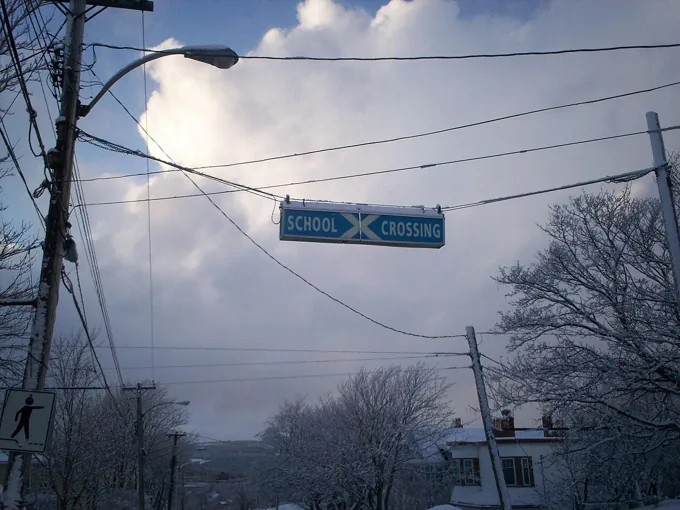
How to start a school walking bus?

A school walking bus is a supervised group of children who walk a set route to school, collecting participants at planned stops; begin with school coordination, a tested route and clear adult roles.

· 3 min 5 sec read ↗

Photo credits & licence

People & places · Guide

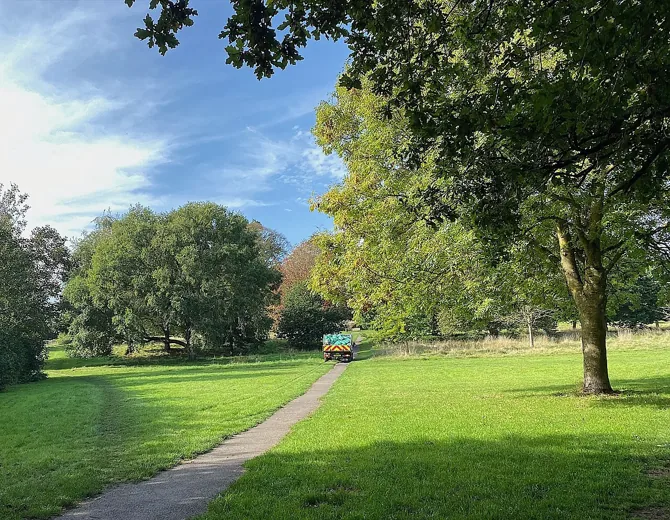
How to start a neighbourhood clean up?

A neighborhood clean up starts with a defined area, a safe task list and a plan for waste collection and disposal. Coordinate with the land manager and local services before volunteers arrive with bags and tools.

· 3 min 32 sec read ↗

Photo credits & licence

Food & land · Guide

How to start a food sharing group?

Start a food sharing group with a clear, small purpose, a dependable handoff method and rules that protect food safety and privacy. Begin with surplus food among people who know one another, then adapt only after learning what local partners can accept.

· 3 min 13 sec read ↗

Photo credits & licence

Gardens & growing · Guide

How to share a community garden?

A shared garden needs clear agreements about space, water, tools, compost and decisions. Practical rules make it easier to welcome different gardeners while keeping common areas and recurring chores in good order.

· 4 min read ↗

Photo credits & licence

Food & land · Guide

How to reduce waste when eating out?

Reduce waste when eating out by choosing portions you expect to finish, declining extras you do not need and planning for leftovers before ordering. A simple request made early is easier for staff to accommodate than a complicated cleanup at the end.

· 3 min 8 sec read ↗

Photo credits & licence

Gardens & growing · Guide

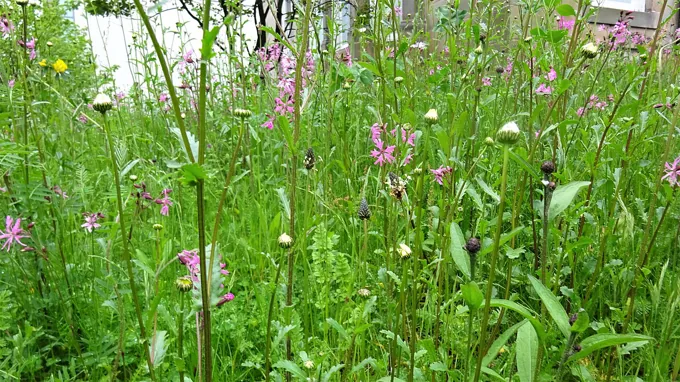
How to reduce lawn area?

Reduce lawn gradually by identifying unused sections, preserving necessary paths and choosing replacements suited to local conditions. A staged conversion makes maintenance and plant performance easier to assess.

· 2 min 57 sec read ↗

Photo credits & licence

Homes & energy · Guide

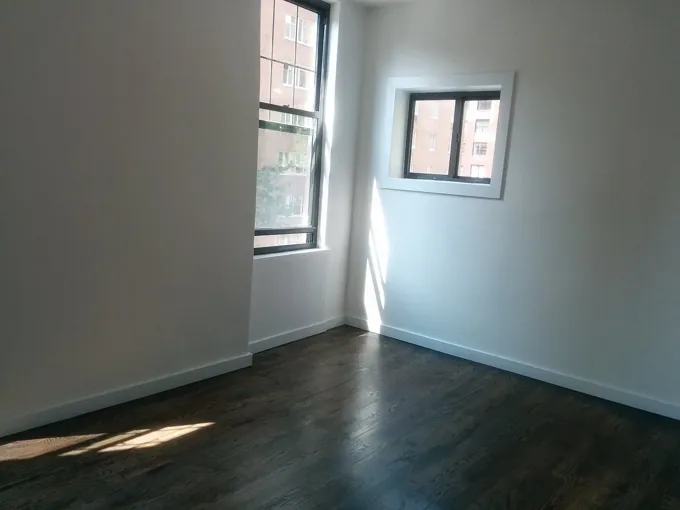
How to reduce energy use as a renter?

Renters can often reduce energy use through habits, plug-in controls and careful attention to drafts, while involving the landlord for building or equipment changes. Start with a problem you can observe and document.

· 2 min 53 sec read ↗

Photo credits & licence

Wildlife & biodiversity · Guide

How to reduce bird window collisions?

Reduce collision risk by making reflective or transparent glass visible to birds and by managing nearby attractants. Focus on the panes birds approach most, then choose a durable, closely spaced treatment suited to the window.

· 3 min 23 sec read ↗

Photo credits & licence

Wildlife & biodiversity · Guide

How to record wildlife sightings?

A useful wildlife record captures what you saw, when and where you saw it, and how certain you are. Learn a simple field-note method that preserves detail without disturbing wildlife or overstating an identification.

· 3 min 53 sec read ↗

Photo credits & licence

Food & land · Guide

How to read sustainability labels?

Sustainability labels cover different issues, from climate and sourcing to farming practices. Learn to identify a label's scope, standard, and verification so you can compare claims without overreading them.

· 3 min 24 sec read ↗

Photo credits & licence

Water & oceans · Guide

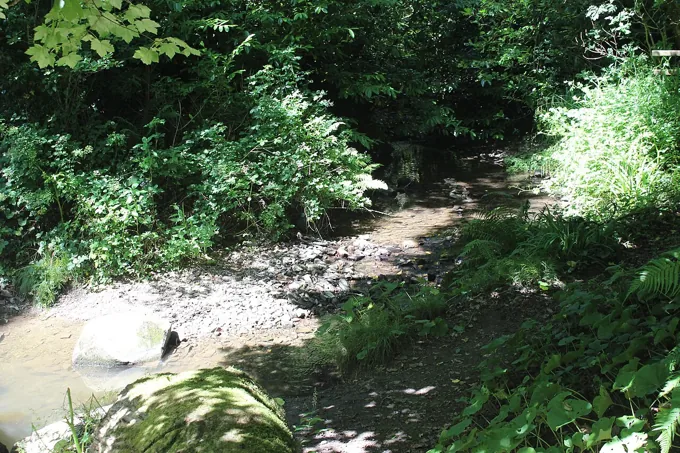
How to protect a local stream?

Protect a stream by focusing on what enters it, how quickly runoff reaches it, and whether nearby wetlands and vegetation remain connected. Start with observation and local guidance before attempting changes in or near the channel.

· 3 min 37 sec read ↗

Photo credits & licence

Seasons & outdoor life · Guide

How to prepare a garden for dry weather?

Preparing a garden for dry weather starts with understanding its soil, plants and water system. Prioritise the plants that need care, reduce avoidable losses and adapt watering to local conditions rather than following a fixed schedule.

· 2 min 59 sec read ↗