tree day
Guide
How to start a neighbourhood clean up?
A neighborhood clean up starts with a defined area, a safe task list and a plan for waste collection and disposal. Coordinate with the land manager and local services before volunteers arrive with bags and tools.
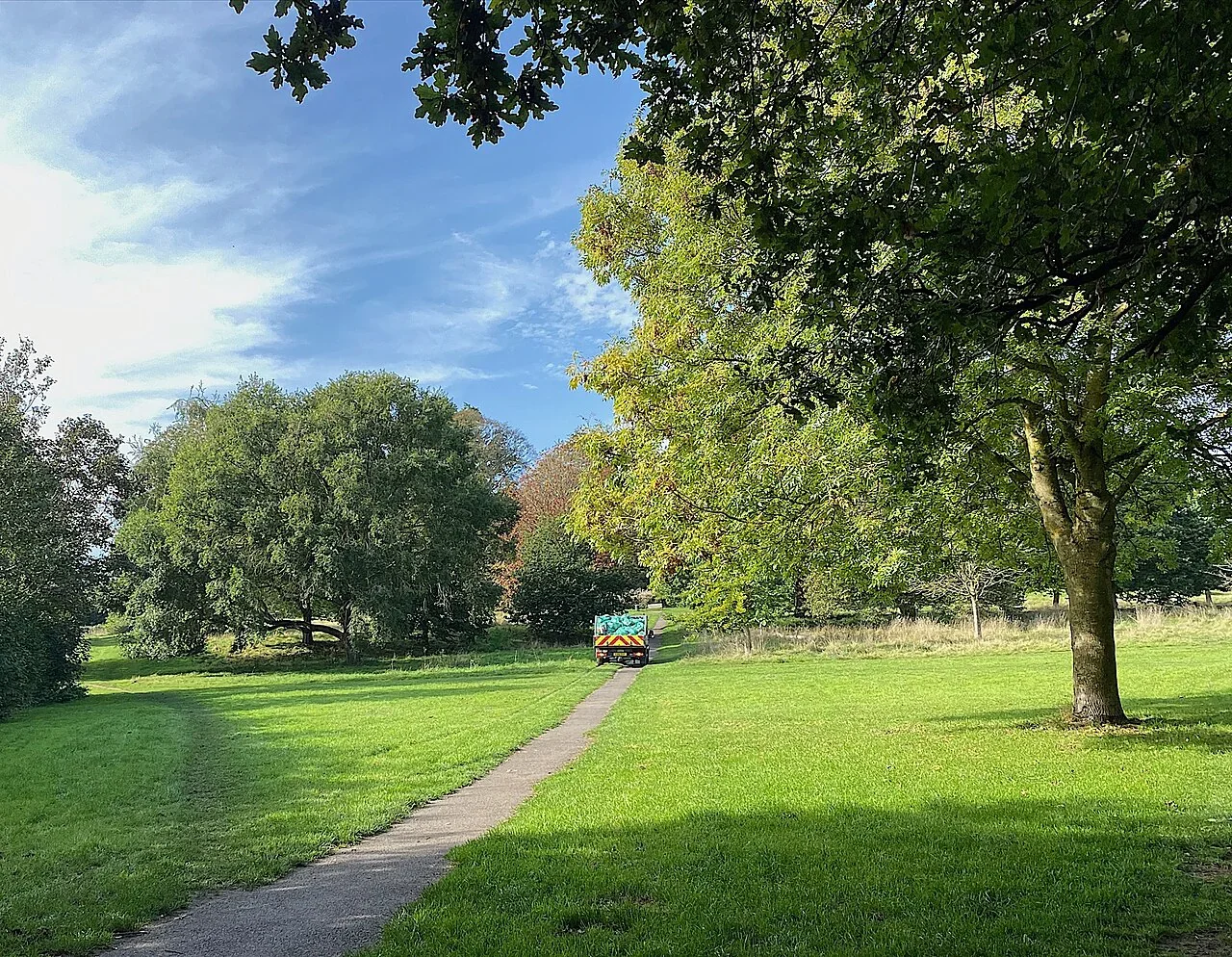
To start a neighborhood clean up, choose a manageable area and find out who is responsible for it before setting a date. Volunteers need to know what they should collect, what they must leave alone and where the waste will go. A clear route and disposal plan make a short event more useful than an unstructured sweep across streets, parks and waterways.
Define the job and get coordination
Walk the area and note the kinds of litter, access points, hazards and places that need permission. Contact the relevant land manager, neighborhood association or local public works office to ask about collection arrangements, restricted areas and any existing clean-up schedule. Agree on where filled bags or collected items will be left and who will arrange pickup or disposal.
Make the boundary specific: a park entrance, a block of sidewalk or a defined stretch of a trail. A narrow focus lets organizers estimate how many people are needed and prevents volunteers from wandering into traffic or private property. If the area is near a waterway, steep bank or storm drain, treat those locations as a different task that may need specialized planning.
Set safe limits for volunteers
Tell participants to collect ordinary, accessible litter only. Organizers should establish a clear rule for items that are sharp, leaking, unidentified, heavy, chemical, medical or otherwise hazardous: do not handle them; mark the location from a safe distance and report it to the responsible authority. Do not ask volunteers to enter unsafe structures, work in traffic or reach into water or vegetation where they cannot see what is present.
Prepare gloves, bags, grabbers where available, drinking water and a simple check-in process. Provide a short briefing about boundaries, traffic awareness, heat or weather conditions and the person coordinating the event. Local guidance should inform any response to heat, smoke or emergency conditions. Choose tasks that do not require power tools or specialized protective equipment.
Make collection and disposal practical
Ask the local service how waste should be separated and where it will be accepted. Recycling and disposal rules vary by location, and a clean-up is not a reason to mix materials into a stream that cannot accept them. Do not promise that collected items will be recycled unless the receiving service confirms it. Separate categories only when organizers know where each category can go.
Estimate supplies from the route and likely litter rather than asking every volunteer to bring disposable materials. Agree in advance how full bags will be staged without blocking paths, drains or accessible routes. If a site has bulky waste, abandoned furniture or a large pile, report it for pickup rather than asking a volunteer group to move it.
Invite people with clear information
A useful invitation states the meeting point, start and end time, the exact area, what to wear, what equipment is supplied and how to ask for an accessible task. Keep the event length modest enough that people can participate without overcommitting. Provide a contact for late arrivals and a cancellation plan if conditions are unsuitable.
For example, a hypothetical block group could clean one park perimeter with a small team, while a designated lead handles the report of a damaged item near a drain. That keeps volunteers on the agreed route and sends the more complex issue to the right channel. A photo or count of ordinary litter may help the group document the work, but avoid photographing people without permission.
Close the loop after the event
At the end, confirm that collected bags were picked up and that the site is clear of tools and loose waste. Report hazardous or bulky items through the agreed local channel and note any recurring dumping locations for the land manager. Thank participants with a concise account of what was completed and what still needs attention, without claiming results that were not measured.
Cleanups address visible litter, but repeated accumulation can point to a service gap, a poorly placed bin or unclear responsibility. Stormwater runoff can carry trash and other pollutants into nearby waterways, so keeping litter away from drains and streams has practical value [1]. If the same area needs repeated attention, ask the responsible agency about prevention or collection changes. Before planning another event, decide whether a smaller routine check or a specific service request would solve the underlying problem better.
Follow the evidence
Primary sources used in this story. Practical examples are illustrative unless a source states otherwise.
Read our editorial standards. Have a correction? Identify the article and relevant source in your feedback to the site owner.