An independent journal for a living planetMonday, 2 November 2026
tree day.

A greener world.
A life well lived.

IDEAS TO TAKE INTO EVERYDAY LIFE

The reading room

Explore practical guides on trees, climate, gardens, wildlife, water, food, homes and community life.

321 articles

Photo credits & licence

Gardens & growing · Guide

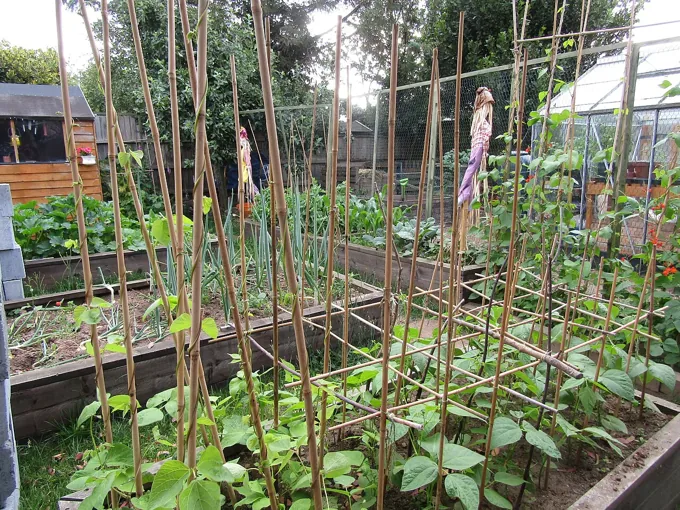
Raised beds vs in ground gardening?

Raised beds can make soil easier to manage in a defined space, while in-ground gardens use the existing site and may require less construction. Compare drainage, soil condition, access, cost and watering before choosing.
· 3 min 31 sec read ↗

Photo credits & licence

Wildlife & biodiversity · Guide

Protected areas vs conservation areas?

Protected area and conservation area describe places managed to safeguard nature, but their meanings and rules depend on the country, designation and site. Learn how to check what protection actually means before visiting or evaluating an area.

· 3 min 44 sec read ↗

Photo credits & licence

Water & oceans · Guide

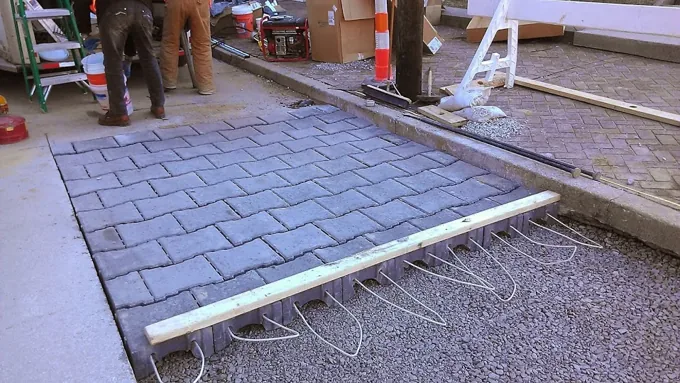
Permeable paving vs concrete?

Permeable paving lets some rainfall pass through joints or pores into a prepared base, while conventional concrete sheds most water; compare drainage, upkeep, loading, and site conditions.

· 2 min 56 sec read ↗

Photo credits & licence

Wildlife & biodiversity · Guide

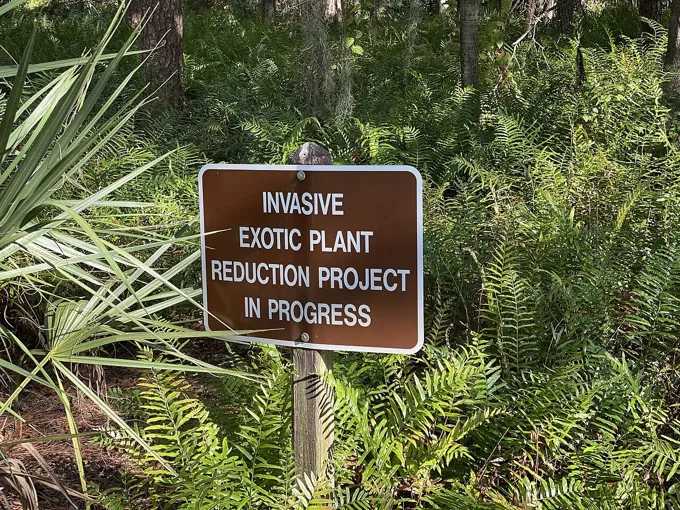
Non native vs invasive species?

Non-native describes origin; invasive describes a subset of non-native species that cause or are likely to cause harm. This distinction helps gardeners, pet owners and travelers choose a sensible next step.

· 3 min 26 sec read ↗

Photo credits & licence

People & places · Guide

Nature activities for children?

Nature activities for children work best when they are simple, nearby and shaped around noticing rather than collecting. Try observation, mapping, sound and rain-focused activities that can adapt to age and local conditions.

· 3 min 12 sec read ↗

Photo credits & licence

Gardens & growing · Guide

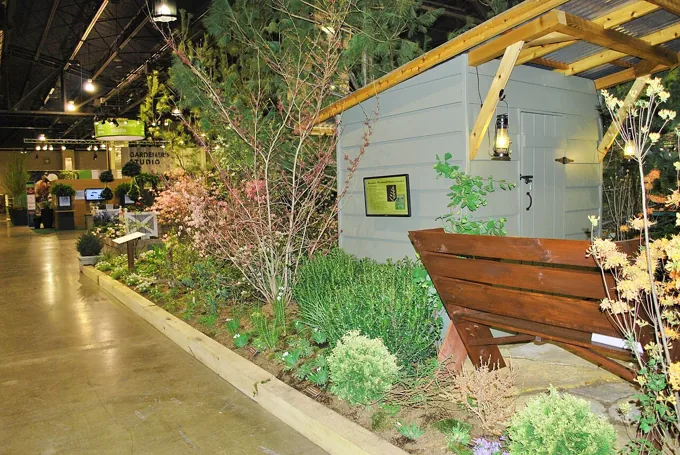
Native plants vs ornamental plants?

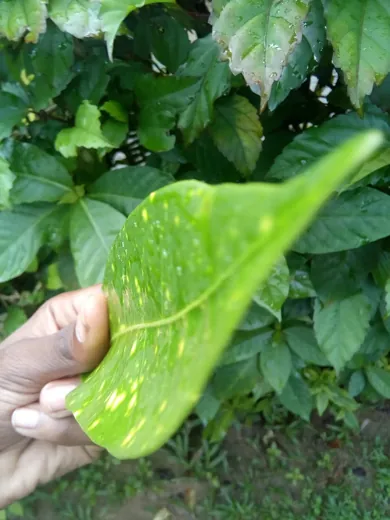
Native and ornamental describe different things: one refers to a plant’s regional origin, the other to its cultivated garden role. Choose by site fit, habitat goals and the care you can provide.

· 3 min 3 sec read ↗

Photo credits & licence

Food & land · Guide

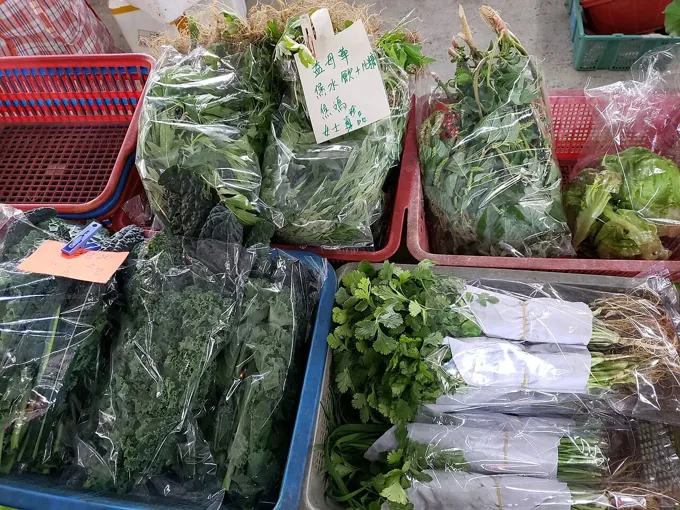
Local food vs seasonal food?

Local describes where food was produced; seasonal describes when it is naturally available in a place. The terms can overlap, but neither guarantees a lower footprint, so compare production, storage, transport and what you will actually eat.

· 3 min 28 sec read ↗

Photo credits & licence

Homes & energy · Guide

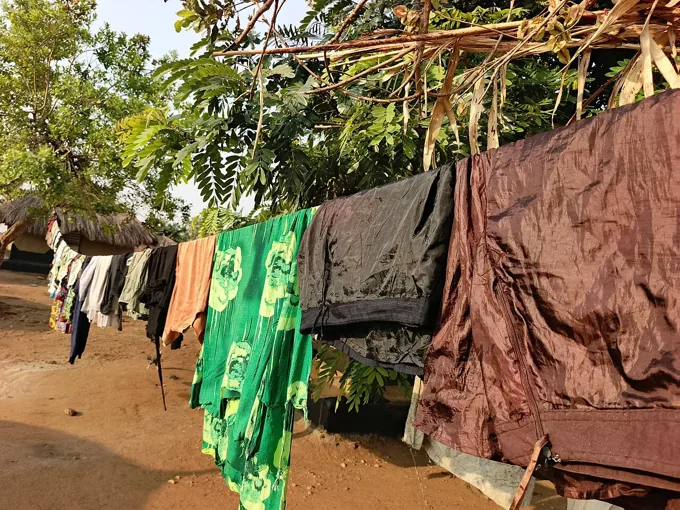
Line drying vs tumble drying?

Line drying avoids running a powered dryer for that load, while a tumble dryer offers speed and predictable drying indoors. The better choice depends on weather, space, fabric care and whether damp air can be managed.

· 2 min 55 sec read ↗

Photo credits & licence

Seasons & outdoor life · Guide

How wildlife survives winter?

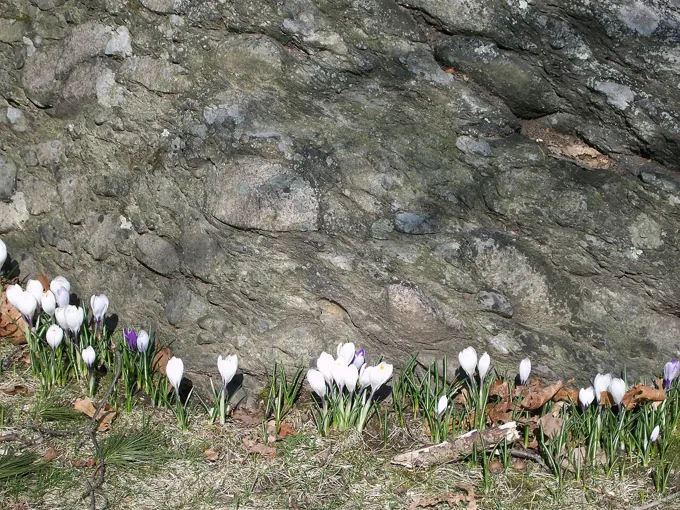
Wildlife gets through winter through a range of strategies, including movement, reduced activity, shelter and shifts in diet; which response works depends on the animal and its habitat.

· 3 min 24 sec read ↗

Photo credits & licence

Homes & energy · Guide

How trees shade a house?

Trees cool a house by blocking sunlight from roofs, walls, and windows, and by releasing water vapor from leaves. Their effect depends on placement, canopy, season, and local conditions, so plan for mature size and building needs.

· 3 min 30 sec read ↗

Photo credits & licence

Wildlife & biodiversity · Guide

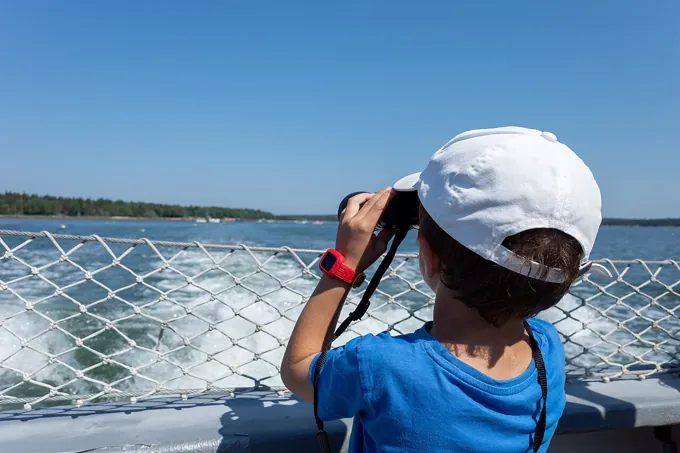
How to watch wildlife responsibly?

Responsible wildlife watching starts with letting animals control the encounter. Learn how distance, quiet observation, habitat care and careful sharing can reduce disturbance while still making a meaningful experience possible.

· 3 min 55 sec read ↗

Photo credits & licence

People & places · Guide

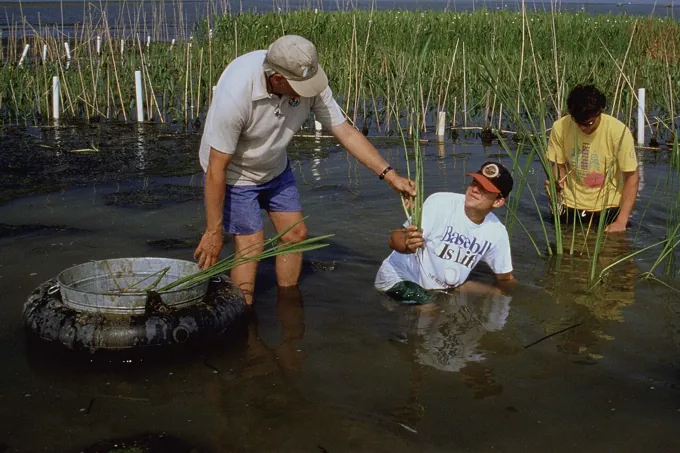
How to volunteer for conservation?

Find a conservation role by matching your time, skills and physical limits to a specific local need, then check training, supervision and follow-up. Some useful work supports recovery; other work protects places already intact.

· 2 min 57 sec read ↗

Photo credits & licence

Homes & energy · Guide

How to use a thermostat efficiently?

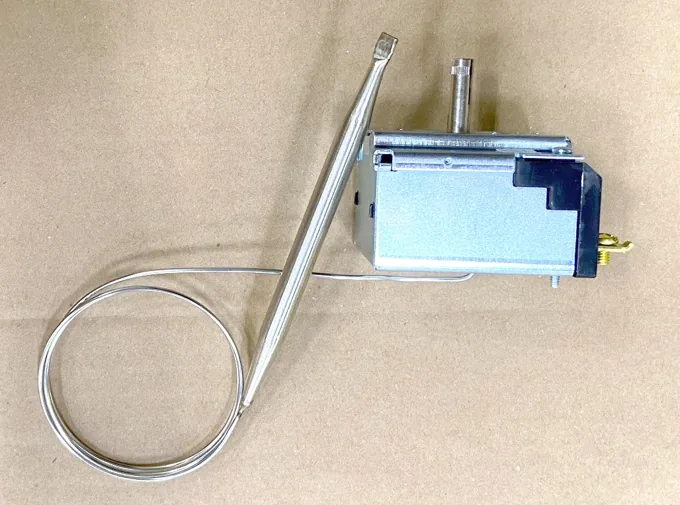
Set the thermostat for the comfort you need while people are home, and adjust it when the home is empty or asleep if that suits the system. Avoid extreme settings and account for equipment type, humidity and room differences.

· 3 min 14 sec read ↗

Photo credits & licence

Seasons & outdoor life · Guide

How to use a local weather forecast?

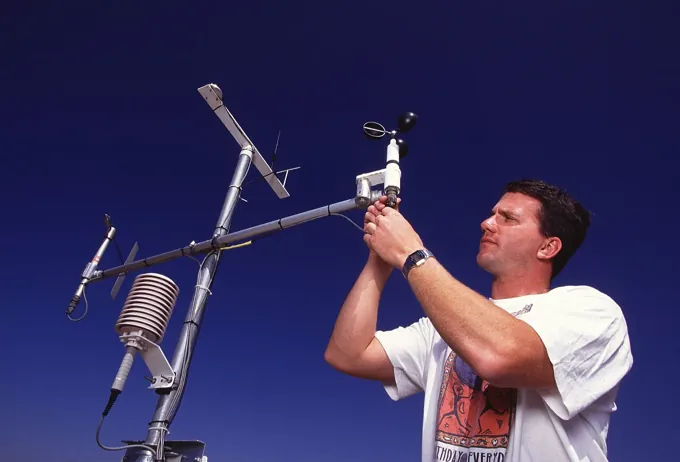
Use a local forecast to make a decision for a specific place and time, then check it again if the plan is sensitive to changing conditions. Distinguish a short-range forecast from a broad seasonal outlook.

· 3 min 3 sec read ↗

Photo credits & licence

People & places · Guide

How to teach children about trees?

Help children learn about trees by returning to one nearby tree, asking observable questions and connecting its features to shade, seasons, habitat and care. Keep explanations grounded in what they can see.

· 3 min 12 sec read ↗

Photo credits & licence

People & places · Guide

How to talk about climate change with children?

Talk about climate change with children by answering their actual question, explaining what is known in age-appropriate language and making uncertainty visible. Pair concern with realistic choices and trusted local information.

· 3 min 10 sec read ↗