tree day
Guide
Non native vs invasive species?
Non-native describes origin; invasive describes a subset of non-native species that cause or are likely to cause harm. This distinction helps gardeners, pet owners and travelers choose a sensible next step.
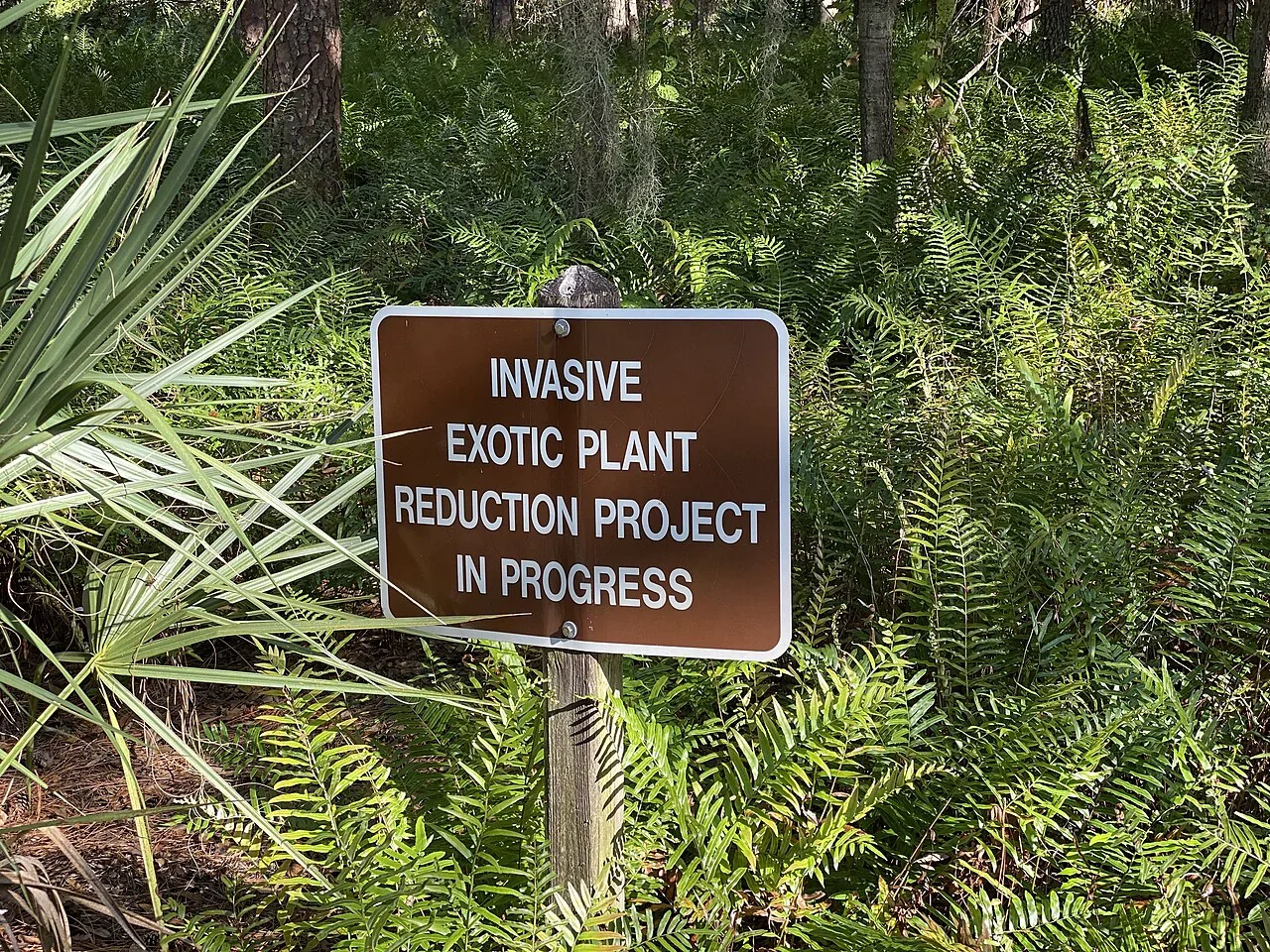
A plant from another continent is non-native where you live, but that fact alone does not make it invasive. The difference is about impact: invasive species are non-native to the ecosystem being considered and cause, or are likely to cause, harm. That distinction matters when deciding whether to keep a garden plant, report a sighting or avoid moving firewood, soil or animals.
Origin and impact answer different questions
“Non-native” is a geographic description. It refers to a species living beyond the area where it naturally occurs, usually because people moved it intentionally or accidentally. It does not tell you whether the species spreads, displaces other organisms or creates costs. Food crops, ornamental plants and domestic animals can all be non-native without being invasive in every setting. [1]
“Invasive” combines that origin with a consequence. The National Invasive Species Information Center describes an invasive species as non-native to the ecosystem under consideration and causing, or likely to cause, economic or environmental harm or harm to human health. [1] In other words, the term is specific to an ecosystem and a risk of harm. It is not simply a stronger-sounding word for unfamiliar, fast-growing or unattractive.
Why the ecosystem clause matters
The same species can have different implications in different places. A plant may be cultivated in one region without escaping, while in another climate it may spread into natural habitat. The relevant question is not merely whether it grows vigorously in a pot or flower bed. It is whether it establishes beyond cultivation and what effects it has in that local ecosystem.
The word “likely” also matters. Waiting until damage is obvious can be too late, so local authorities may identify species of concern based on their potential to spread and harm. At the same time, a photograph or casual observation may not be enough to determine a species or its status. Identification and impact depend on local expertise and evidence, not a general impression that a plant is taking over.
A garden decision in practice
Suppose a neighbor gives you an ornamental plant that is not native to your area. Its origin is one fact, not the whole verdict. Before planting it, look up the exact species in a state or regional invasive species resource. Check whether local guidance discourages planting it, whether it produces seeds or fragments that can spread, and whether your property borders a natural area or waterway.
If local sources do not list it as invasive, that still does not mean it is suitable everywhere. You need to consider its size, water needs and ability to remain contained. A plant that outgrows a narrow bed may be a poor garden choice even without meeting the ecological meaning of “invasive.” Avoid disposing of garden waste in natural areas, where viable seeds or stems may establish.
Why pathways matter beyond gardens
People help move species through ordinary activities. The National Invasive Species Information Center identifies pathways such as ship ballast water, firewood, accidental release, ornamental plants escaping cultivation and unwanted pets released outdoors. It also notes that wood, shipping pallets and crates can carry insects. [1] These routes explain why a species can appear far from where it was originally introduced.
For travelers, the useful action is to follow local rules for transporting firewood, plants, soil, animals and outdoor gear. Rules differ by place and can change, so check official local guidance before a trip. For pet owners, never release an unwanted animal into the wild; contact a local animal shelter or wildlife authority for appropriate options.
Use the precise label, then act locally
Calling every non-native species invasive can obscure the difference between harmless presence and ecological risk. It may also make practical advice less credible. More precise language helps: say “non-native” when describing origin, and reserve “invasive” for a species that meets the local impact definition or is officially treated as an invasive concern.
If you find a plant that might be invasive, take a clear photo and note the location without disturbing it. Compare it with official regional resources or ask the relevant local agency how to report it. If you are making a purchase decision, check local lists before planting and choose a suitable alternative when guidance identifies a risk.
Follow the evidence
Primary sources used in this story. Practical examples are illustrative unless a source states otherwise.
Read our editorial standards. Have a correction? Identify the article and relevant source in your feedback to the site owner.