tree day
Guide
How to watch wildlife responsibly?
Responsible wildlife watching starts with letting animals control the encounter. Learn how distance, quiet observation, habitat care and careful sharing can reduce disturbance while still making a meaningful experience possible.
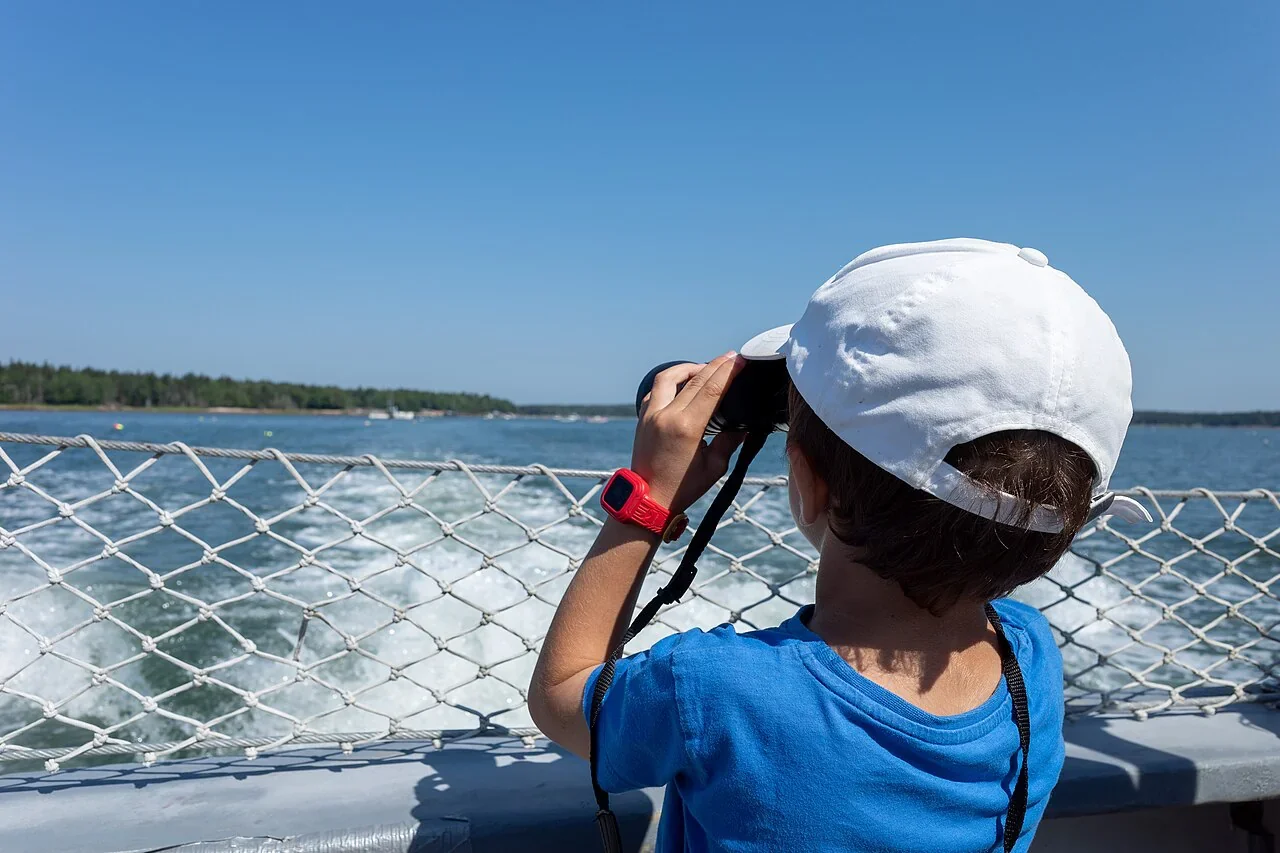
Watch from far enough away that an animal can keep doing what it was doing before you arrived. If a bird stops feeding, a mammal changes direction, or an insect takes flight when you approach, give it more space. Responsible wildlife watching is less about getting a closer look than about leaving animals, nests and habitat undisturbed—and choosing observation methods that do not turn curiosity into pressure.
Let the animal set the distance
There is no single distance that works for every species or setting. A large animal may be visible across a field, while a small bird may be disturbed by a nearby person even when it does not fly away. Use the animal’s behavior as your guide: if it pauses, watches you, calls repeatedly, moves away or changes what it is doing, step back or end the observation. Binoculars or a camera with a zoom let you see details without closing in.
Do not approach nests, dens, roosts or young animals. A parent that leaves a nest because of people may not return until the area is quiet. Young animals are especially easy to mistake as abandoned; leave them where they are and follow local wildlife agency guidance if you think an animal is injured or in danger. Keep pets leashed where required and well away from wildlife, and avoid calling, flushing or baiting animals to make them appear.
Quiet observation begins before you arrive
Use established paths and viewing areas when they are available. Staying on a trail limits trampling and makes your movement more predictable, while stepping into grass or brush can crush small plants or disturb animals you do not see. Move slowly, speak softly and pause instead of trying to follow an animal through cover. In a group, agree on a quiet viewing spot rather than spreading out to surround the subject.
Feeding wildlife can change where animals gather and what they eat; it can also draw them close to roads, people or pets. Do not leave food or scraps, even if the intention is to help. The same care applies to habitat: do not collect flowers, insects, feathers or other natural objects as souvenirs. A photograph or a note can preserve the encounter without removing part of the place.
A useful example: watching pollinators
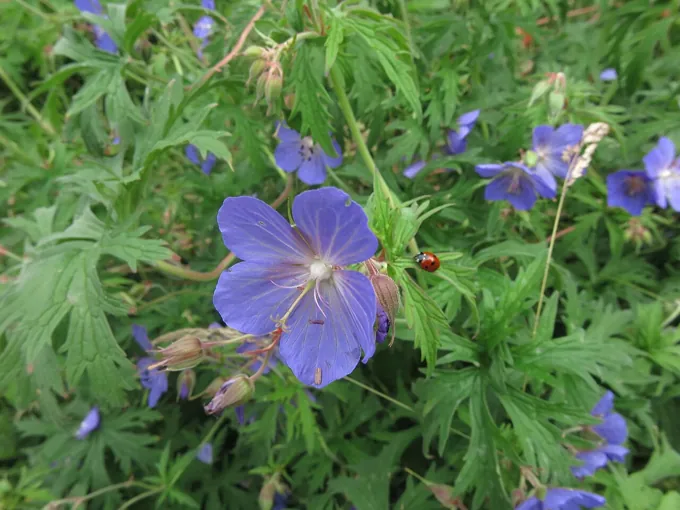
Suppose you want to observe bees and butterflies visiting a garden. Choose a spot beside the planting and sit still rather than stepping between flowers. Watch which plants receive visits, what time of day activity seems busiest and whether different insects use different flowers. A phone camera can record a distant view, but avoid touching insects, shaking stems or trying to capture a visitor in a container. You can leave the garden more useful for the next pollinator by not trampling flowers or blocking access to them.
Pollinators help sustain plants and provide benefits to people and wildlife, and the U.S. Fish and Wildlife Service identifies habitat restoration and pollinator science among its conservation efforts [1]. That makes a garden observation a chance to notice habitat as well as individual animals: Are there flowering plants, shelter and places to pause? The answer need not be a formal survey. Careful attention can help you decide what to protect or improve in your own space.
Sharing a sighting without creating a crowd
A public post that identifies a rare animal’s exact location can draw visitors who approach it, damage habitat or create a road hazard. Consider withholding precise location details, especially for nests, dens or vulnerable species. Share broad observations, such as the park or general area, and check whether the site or local wildlife group has guidance for reporting sensitive sightings.
If you want others to learn from the observation, describe what you saw and how you observed it. A clear note that you stayed on the path and watched from a distance can make responsible behavior visible without turning the animal into an attraction. When an observation suggests a threat, such as an animal trapped or an apparent habitat disturbance, report it through the appropriate local agency rather than trying to intervene yourself.
Know when to move on
The most important choice is often to stop watching. Leave if an animal shows signs of disturbance, if other visitors are crowding it, or if continuing would require leaving a path or entering a restricted area. Park rules and species-specific guidance differ, so check posted signs and local wildlife information before visiting a sensitive site.
Afterward, write down what you observed while the details are fresh: species if known, time, general location and behavior. Keep uncertainty clear rather than guessing at an identification. If the sighting might help a conservation project, use its recommended reporting channel and follow its privacy guidance. A short, careful observation is a better encounter than a close view that changes an animal’s behavior.
Follow the evidence
Primary sources used in this story. Practical examples are illustrative unless a source states otherwise.
Read our editorial standards. Have a correction? Identify the article and relevant source in your feedback to the site owner.