tree day
Guide
How to start a school walking bus?
A school walking bus is a supervised group of children who walk a set route to school, collecting participants at planned stops; begin with school coordination, a tested route and clear adult roles.
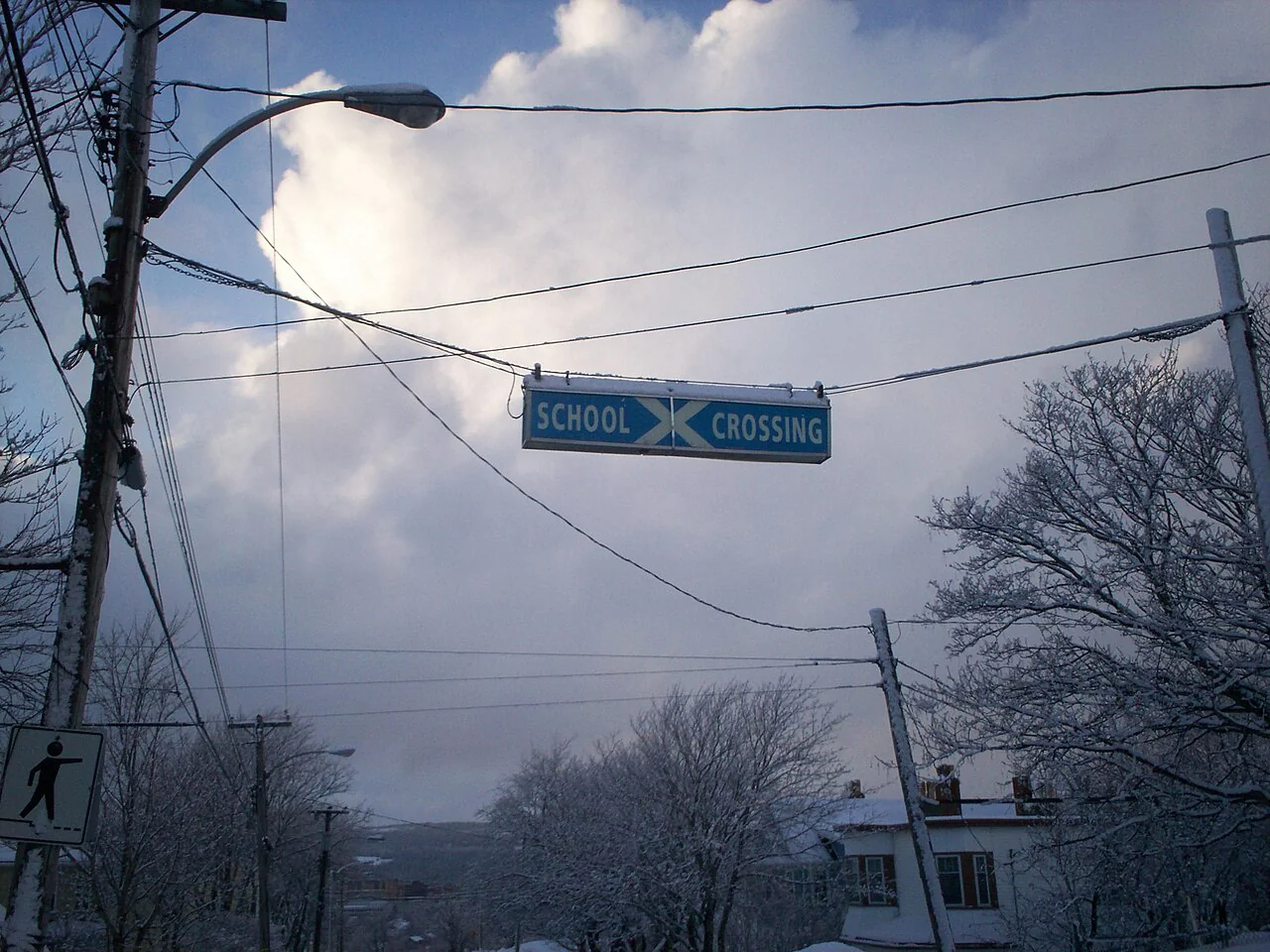
A school walking bus is a group of children walking to school together along a planned route, with responsible adults supervising and children joining at agreed stops. To start one, first find out whether the school can support the arrangement, then test a short route and settle basic supervision and communication. The idea is simple; the work is making the route and expectations clear enough for families to rely on.
Find a small organizing team
Start by talking with the school, parent group or relevant district contact about its policies, arrival procedures and insurance or volunteer requirements. Ask whether there is already a walking program or a staff contact who can help. Recruit at least one other interested adult so planning, attendance and communication do not depend on a single person.
Keep the first group small while you work out the details. Ask families what days and start times could fit, where children would join, and what concerns they have. Do not promise supervision arrangements before confirming who is responsible and what the school expects.
Choose and test the route
Select a route with places where children can safely gather and join, then walk it at the time of day the group would travel. Check crossings, sidewalks, driveways, visibility, traffic speed and any construction. A route that looks short may still be unsuitable if children need to cross a busy road without a safe crossing.
For example, a hypothetical group might begin at a library one block from school and collect children at two nearby corners. Organizers could test whether each stop has room for adults and children to wait without blocking a sidewalk. If a segment is uncomfortable, revise the route or ask the school and local officials what crossing options exist rather than assuming children can manage it.
Make roles and expectations explicit
Write down the meeting time, route, stops, expected arrival time, contact method and what happens if a child is absent or an adult is delayed. Confirm who leads and who stays at the back, and how the group handles a child who needs to stop. Families should know whether children may join partway, leave the group at school, or walk only on selected days.
The appropriate adult-to-child supervision arrangement depends on local policy, children's ages and route conditions. Use the school or district's requirements and make sure all adults know the plan. Do not rely on informal assumptions about who is watching which children.
Plan for weather and changing conditions
Agree how the group will communicate cancellations and who makes the decision. Heat, smoke, ice, heavy rain and poor visibility can change a route’s suitability. Use official local guidance during hazardous conditions and make sure families have a reliable backup for days when the walk does not go ahead.
A common mistake is treating the route as fixed after the first successful walk. Construction, parked vehicles or seasonal darkness can change conditions. Review the route periodically and report persistent sidewalk or crossing problems through the appropriate school or local channel.
Review the first few walks together
After the first week, ask children and families what felt confusing or uncomfortable. Did everyone know where to wait? Was the pace appropriate? Did the group reach school with enough time? Adjust one detail at a time, and make sure every family receives the updated plan.
Walking together may also help children notice trees, parks and other neighborhood features. The EPA notes that trees and vegetation have a cooling effect in urban environments; a shaded route can be pleasant in warm weather, though shade does not remove the need to follow local heat guidance. [1] The school route should still be chosen first for safe access and reliable supervision.
Follow the evidence
Primary sources used in this story. Practical examples are illustrative unless a source states otherwise.
Read our editorial standards. Have a correction? Identify the article and relevant source in your feedback to the site owner.