tree day
Guide
How to support hedgehogs and small mammals?
Support small mammals by preserving connected cover, limiting avoidable hazards, and checking local wildlife guidance before offering food or shelter. The right actions depend on which species live in your region.
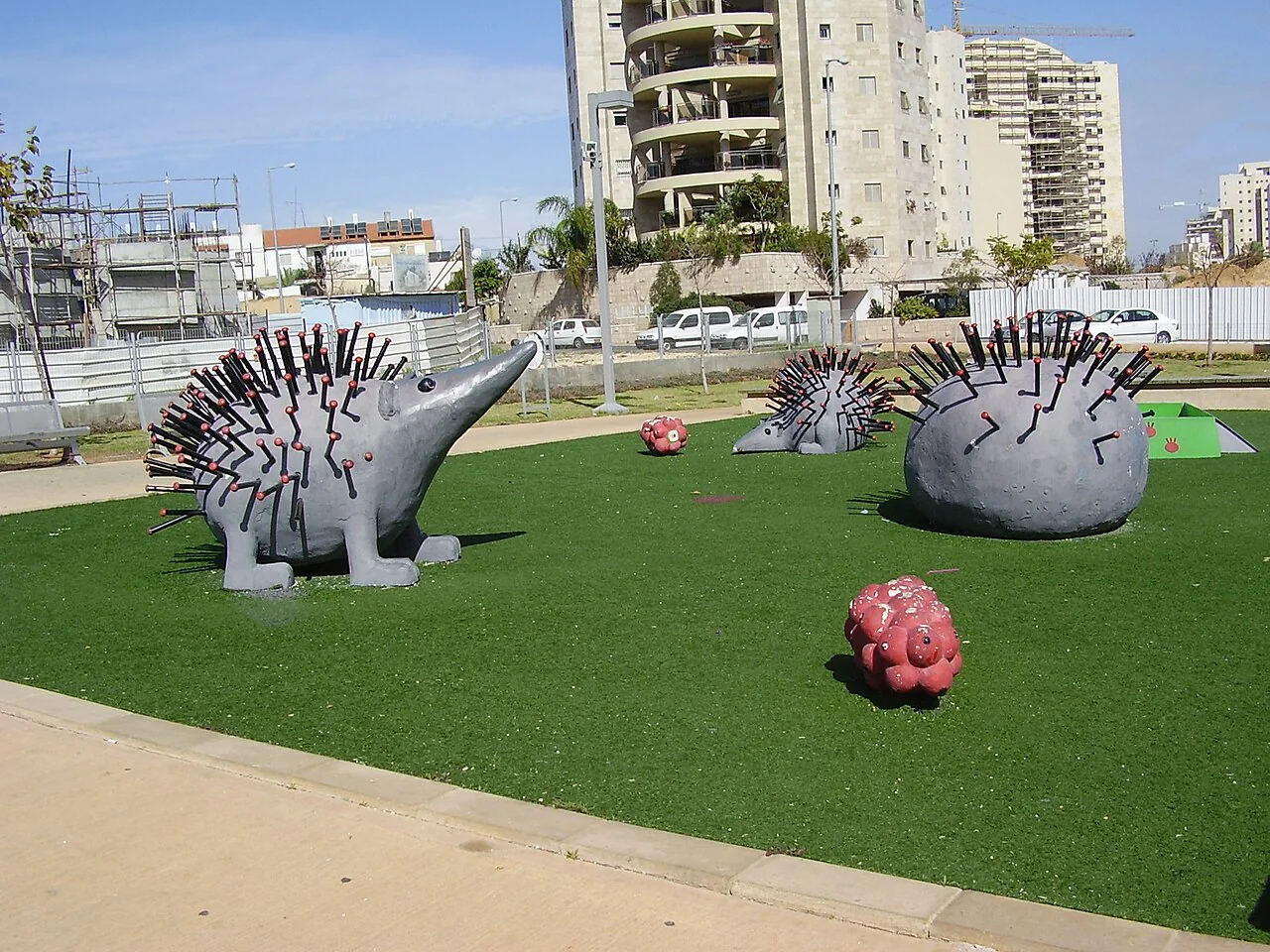
To support hedgehogs and other small mammals, make a safe route through the garden and preserve sheltered places to forage and rest. The details depend on your region: hedgehogs are not native across all of the United States, and a measure helpful to one species may be irrelevant or harmful to another. Start by identifying local mammals and adapting the space to their needs rather than importing advice from a different climate.
Identify the wildlife in your area
“Small mammals” covers species with very different diets, behaviors, and conservation needs. A hedgehog care tip from another country may not fit a North American yard, and feeding an animal can create dependence, attract pests, or be inappropriate under local guidance. Check a state wildlife agency, local natural-history organization, or extension service for species found in your area and advice tailored to them.
Biodiversity includes familiar animals as well as less visible organisms and spans ecosystems and species. [1] That broader view matters in a garden: a space can be useful to small mammals because it supports insects and plant cover, even if no single animal is seen every evening. Avoid interpreting a quiet garden as proof that wildlife is absent.
Make connected cover possible
Many small mammals move between feeding and shelter areas. Dense planting, a brushy edge, or a low gap in a boundary can make movement easier where those features suit the site and local wildlife. If neighboring yards are enclosed, ask whether a small passage can be kept open with permission. Check what lives nearby before changing fences, and avoid creating access to roads, pools, or other hazards.
A useful example is a suburban yard with solid fencing on every side. Rather than adding a feeding station immediately, the household could identify a safe edge away from traffic and coordinate a small opening with neighbors. That change may connect existing cover, though its value depends on the species and surrounding landscape. In an apartment courtyard with no boundary access, sheltered planting and reduced nighttime disturbance may be the more realistic step.
Keep shelter and food sources low-risk
Retained leaf litter, native vegetation suited to the site, and modest piles of natural material can shelter insects and other small life. Some mammals forage on invertebrates, while others rely on different foods, so do not assume a single habitat feature supports every species. The U.S. Fish and Wildlife Service identifies pollinator habitat as part of conserving lands and waters and encourages native pollinator gardens. [2] Plant choice should still be checked locally.
Avoid leaving netting, uncovered pits, deep containers, or garden debris where animals can become trapped. Before using pesticides or slug treatments, consider their effects on the food web and consult local guidance about safer options. Keep chemicals and tools stored securely. If you want to provide a purpose-built shelter, choose designs recommended for the local species and place them where maintenance and monitoring are feasible.
Treat feeding as a local decision
Food advice is especially species-specific. A bowl of food intended for one mammal may attract raccoons, rodents, pets, or other wildlife, and an animal’s diet may change with age and season. Do not leave out dairy, bread, or unfamiliar foods based on folk advice. Ask a local wildlife rehabilitator or agency whether feeding is recommended, what is safe, and how to prevent disease or unwanted visitors.
A common mistake is to copy a social-media feeding station without checking its context. If local guidance supports feeding, use the recommended food, placement, hygiene, and seasonal limits. Otherwise, improve cover and reduce hazards instead. If an animal appears sick or injured, contact an authorized wildlife professional rather than trying to treat or relocate it yourself.
Choose the first change by risk
Walk the garden at dusk and in daylight. Look for gaps that lead to roads, uncovered drains or pits, loose netting, exposed chemicals, and areas of useful cover. Correcting a clear hazard is often more dependable than trying to attract an animal. Then identify one locally appropriate way to retain shelter or connect safe habitat.
Some plants introduced from elsewhere can cause harm, but “non-native” and “invasive” are not synonyms. The National Invasive Species Information Center defines invasive species through both non-native status and actual or likely harm. [3] Check regional plant guidance before removing or planting anything. Your next step is to consult the local species list, then choose a habitat change that fits the mammals actually present.
Follow the evidence
Primary sources used in this story. Practical examples are illustrative unless a source states otherwise.
- US National Park Service: What is biodiversity? ↗
- US Fish and Wildlife Service: Pollinators ↗
- National Invasive Species Information Center: What are invasive species? ↗
Read our editorial standards. Have a correction? Identify the article and relevant source in your feedback to the site owner.